Niti Aayog has unveiled an ambitious roadmap to transform India's biotechnology sector, setting a target of building a $691 billion bioeconomy by 2035. According to the latest reports, India's bioeconomy has expanded 16-fold over the past decade to $195.3 billion, currently contributing 4.8% to GDP. The think tank has proposed a major overhaul of India's biotechnology strategy, recommending the country replace fragmented programmes with six mission-driven national initiatives to accelerate growth in the sector.
The roadmap emphasizes the need for a mission-based framework to strengthen capabilities across healthcare, agriculture, industrial biotechnology and disease surveillance. As reported by The Times of India, these initiatives are designed to ensure research translates into globally competitive products and large-scale manufacturing. The framework focuses on building sovereign capabilities across advanced therapeutics, climate-resilient agriculture, synthetic biology platforms, pandemic preparedness, blue-economy innovation and next-generation biologics. To support implementation, the roadmap recommends creating an Empowered Committee on National BioMissions, a National BioData Council, a BioEconomy Investment and Policy Forum, and a dedicated fast-track intellectual property pathway.
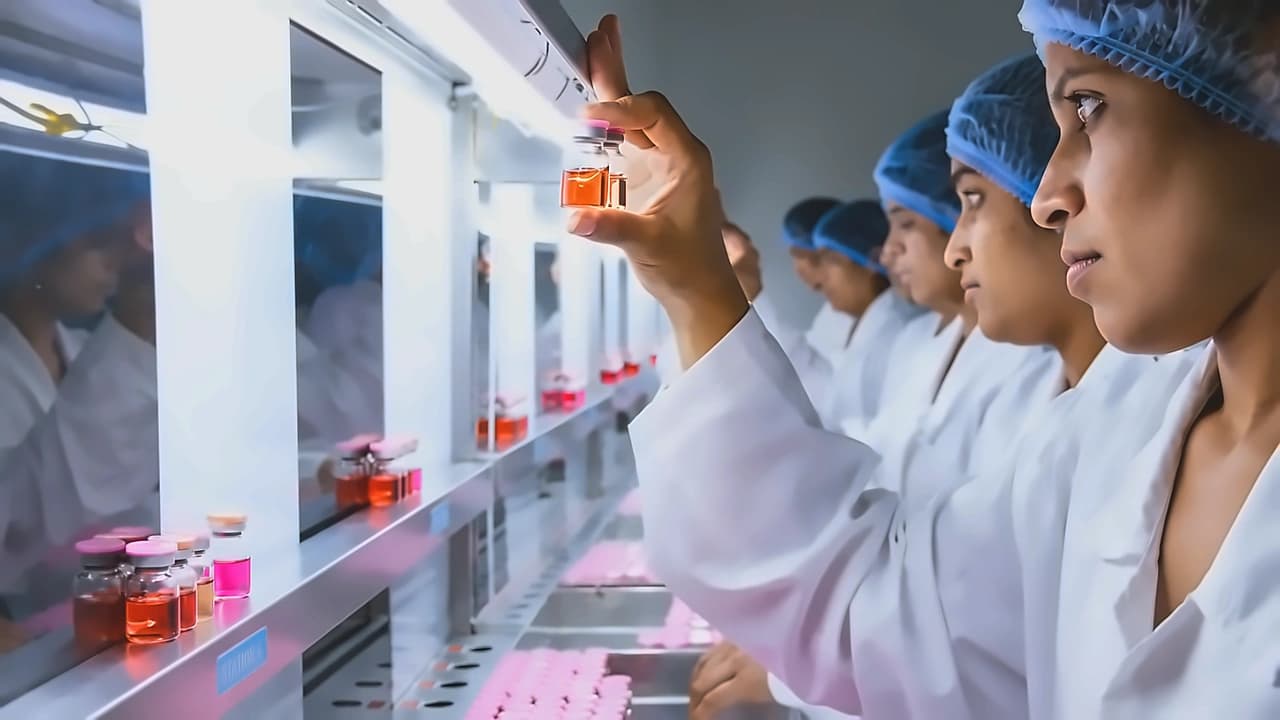
Under the proposed framework, GeneIndia will focus on expanding access to affordable gene and cell therapies as well as precision diagnostics. According to the roadmap, AgriBio 2.0 has been proposed to develop climate-resilient crop varieties and quality-assured bio-inputs. Additionally, BioX Foundry is aimed at taking synthetic biology innovations from the laboratory to the market. The new missions include One Health Grid to strengthen AI-assisted disease surveillance, Marine Biotechnology to promote seaweed cultivation and marine bioproducts, and BioPharmaNext to position India as a global hub for next-generation biologics, biosimilars, vaccines and AI-driven drug discovery.
The roadmap includes a ₹50,000-crore fund to support the mission-based initiatives for the period 2026-2035, as reported by The Times of India. This substantial investment reflects the government's commitment to strengthening India's biotechnology capabilities and positioning the country as a global leader in the bioeconomy sector by 2035. The fund will bridge the gap between laboratory research and commercial-scale manufacturing, along with PLI-style incentives, faster regulatory approvals and measures to strengthen intellectual property protection. These reforms are intended to reduce import dependence, anchor global supply chains in India and support export-oriented biomanufacturing.