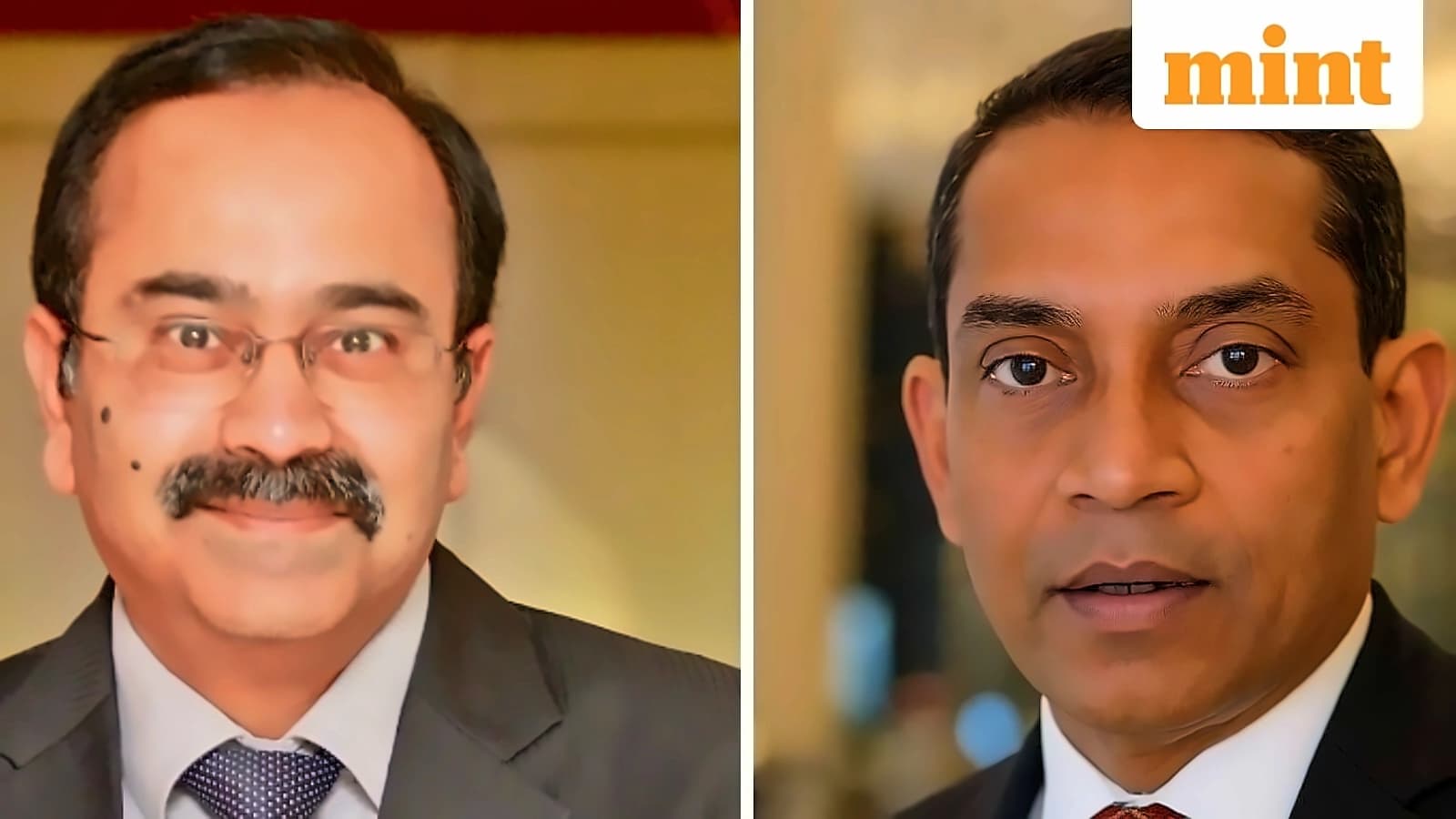
Kotak AMC's Nilesh Shah cited Hindustan Zinc as an example of how strategic divestment combined with a retained minority stake can create long-term national wealth. According to reports from The Economic Times, Shah argued that selling a government stake in a public sector undertaking (PSU) while retaining a minority holding can generate wealth for future generations rather than amounting to a sale of the country's 'family jewels'. Shah emphasized that 'strategic sale + minority holding = Long term value creation for the nation' and noted that 'the experience of strategic divestment suggests that family jewels are being created for the next generation'. To support his argument, the veteran investor highlighted that 'one opposition against divestment is that family jewels are being sold' but noted that 'the experience of strategic divestment suggests that family jewels are being created for the next generation'.
On Wednesday, the Centre approved the sale of a 60.72% stake in IDBI Bank to Fairfax Financial Holdings for ₹52,878 crore, marking the country's biggest strategic disinvestment since Air India. The decision was cleared by the Cabinet Committee on Economic Affairs (CCEA), chaired by Prime Minister Narendra Modi, bringing a process that had stretched over five years closer to completion. According to Shah's analysis, IDBI Bank was a premier development financial institution (DFI) in the 1990s and was larger than ICICI at the time. As reported by The Economic Times, Shah compared the two institutions, noting that ICICI moved into private ownership and is now valued at ₹9.88 lakh crore, while IDBI remained in the public sector, required repeated capital infusions and is valued at ₹90,000 crore. Shah expressed hope that the IDBI Bank transaction would become as successful an example as Hindustan Zinc, writing 'Hope it becomes as shining example as HZL'.

As reported by The Economic Times, the government sold around 45% of its stake in the loss-making company, along with management control, to the Vedanta Group about two decades ago for approximately ₹769 crore. The government had retained a minority stake of around 29% in the company, which was loss-making at the time of the sale. According to Shah's analysis, dividends from the residual holding alone have exceeded the original sale proceeds, while the government's remaining stake is now worth more than ₹62,000 crore. Shah highlighted that 'dividends from the residual holding alone have exceeded the original sale proceeds' and that 'the government's remaining stake is now worth more than ₹62,000 crore'.
According to Shah's assessment reported by The Economic Times, Hindustan Zinc's operational growth following the transaction has been remarkable. The company's capacity has multiplied, and it is now the world's largest integrated zinc producer. Production has increased more than fourfold, while silver production has risen 15-fold. The company has also replaced zinc imports, earned foreign exchange through exports, paid thousands of crores of rupees in taxes and royalties, created thousands of jobs and substantially improved productivity. Shah noted that 'the company has also replaced zinc imports, earned foreign exchange through exports, paid thousands of crores of rupees in taxes and royalties, created thousands of jobs and substantially improved productivity'.