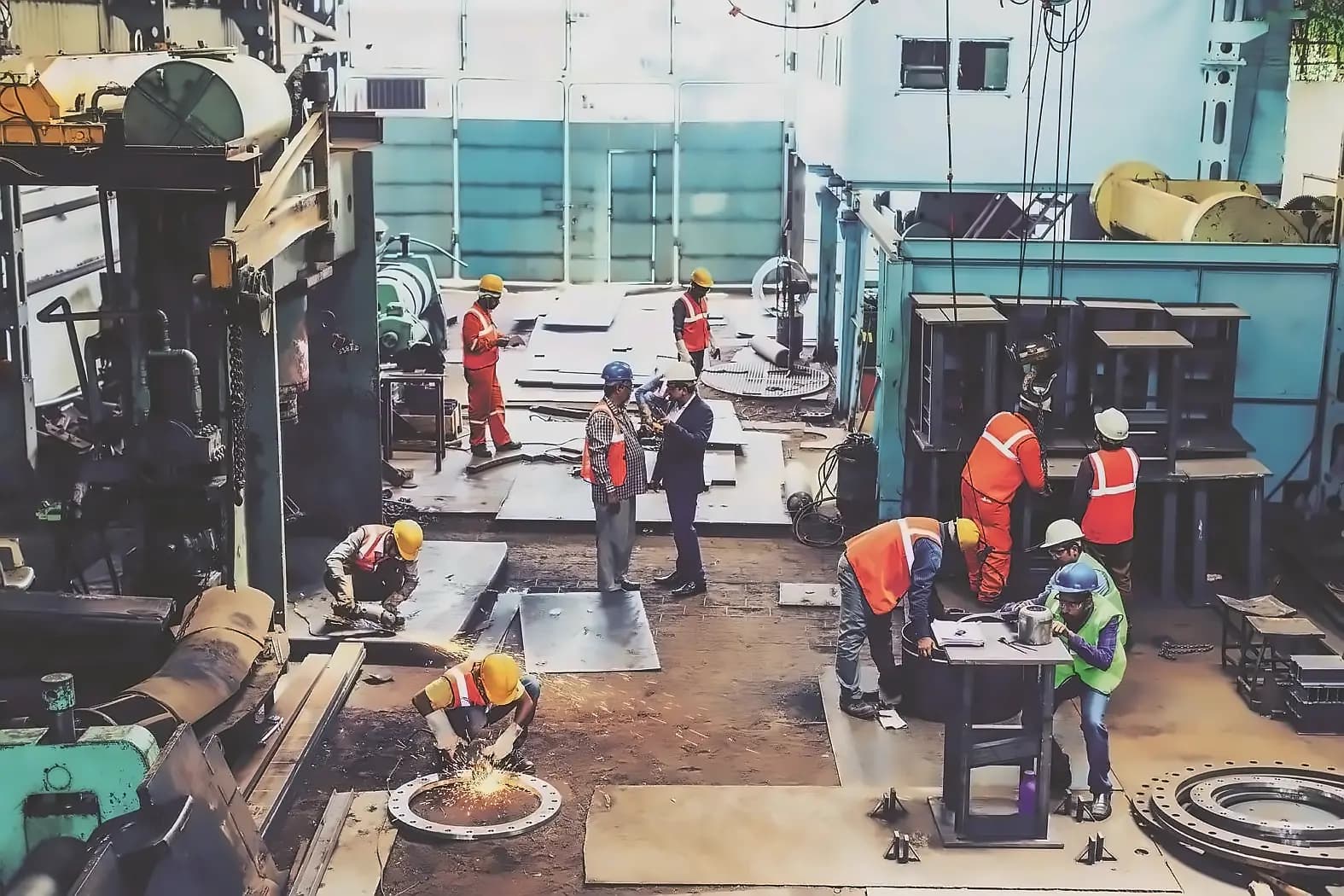
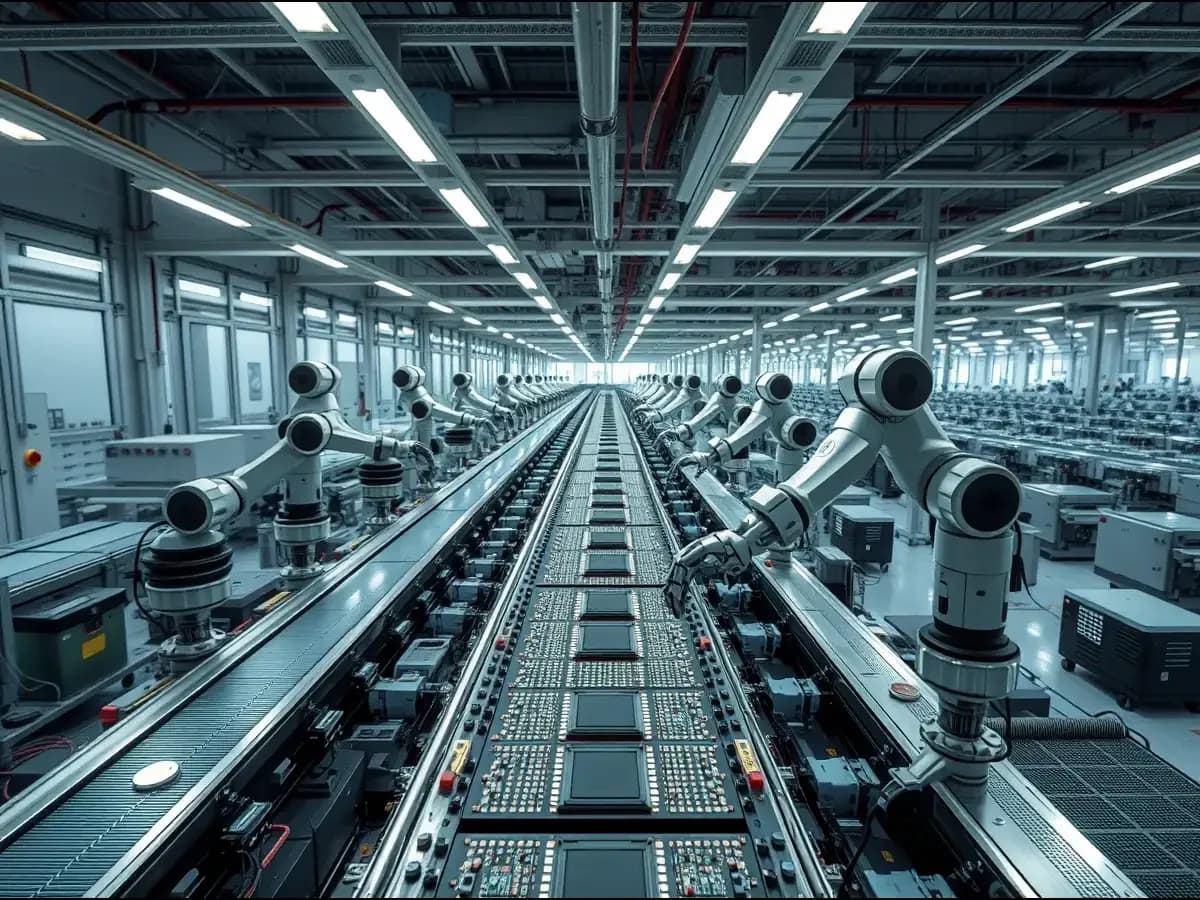
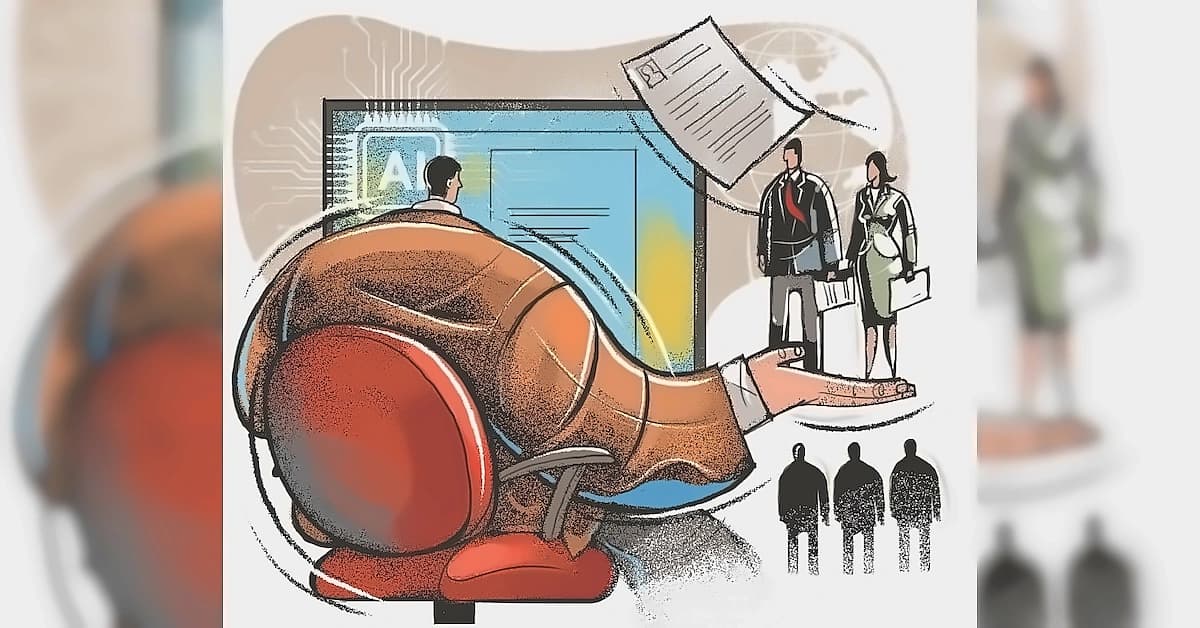
The latest developments at VivaTech 2025 highlight how AI is evolving from a passive tool into an active teammate, fundamentally reshaping how organizations approach workforce management. According to discussions at the conference, technical hard skills are becoming commoditized by automation, forcing companies to rethink their competitive advantages and hiring strategies. The focus is shifting from managing people to orchestrating systems, with AI transforming recruitment processes that can now parse thousands of resumes in seconds while raising concerns about codified bias. This technological evolution is creating new career categories while eliminating traditional roles, requiring leaders to adapt their management approaches for an AI-driven economy. The Manufacturing Engineering Development Program (MEDP) in the US exemplifies this shift, focusing on manufacturing planning, process improvements, and data-driven decision making through Lean and Six Sigma methodologies.
India's manufacturing sector has experienced a significant decline in its contribution to the economy, with the share of manufacturing in gross value added falling from 19.7% in 1995-96 to 14.3% in 2023-24, according to reports from Business Standard. This represents a 3 percentage point drop compared to levels reached as far back as 1974-75. The manufacturing share in gross fixed capital formation has also declined from 40.8% in 2011-12 to 31.6% in 2023-24. Most concerning is that manufacturing's share in employment has remained static at over 10% since 1990-91, indicating limited job creation in the sector. The global manufacturing landscape is experiencing a historic labor crunch as aging workforces retire, with AI emerging as a potential bridge for knowledge transfer to new generations.
India's manufacturing performance significantly lags behind regional peers, with manufacturing value added as a percentage of GDP at 12.6% in 2024, as reported by Business Standard. This places India below Bangladesh (21.9%), Sri Lanka (17.6%), Indonesia (19.0%), Malaysia (22.5%), Thailand (24.3%), and Vietnam (24.4%). The most striking comparison is with China, where manufacturing value added became approximately 10 times larger than India's by 2025, despite both countries having nearly identical manufacturing bases in 1990. China's manufacturing growth was primarily driven by government promotion of new private enterprises in manufacturing and services. The global manufacturing reshuffle is confronting these challenges as companies navigate the shift from automation to autonomy, with AI-driven workforce transformation becoming a critical factor in competitiveness.
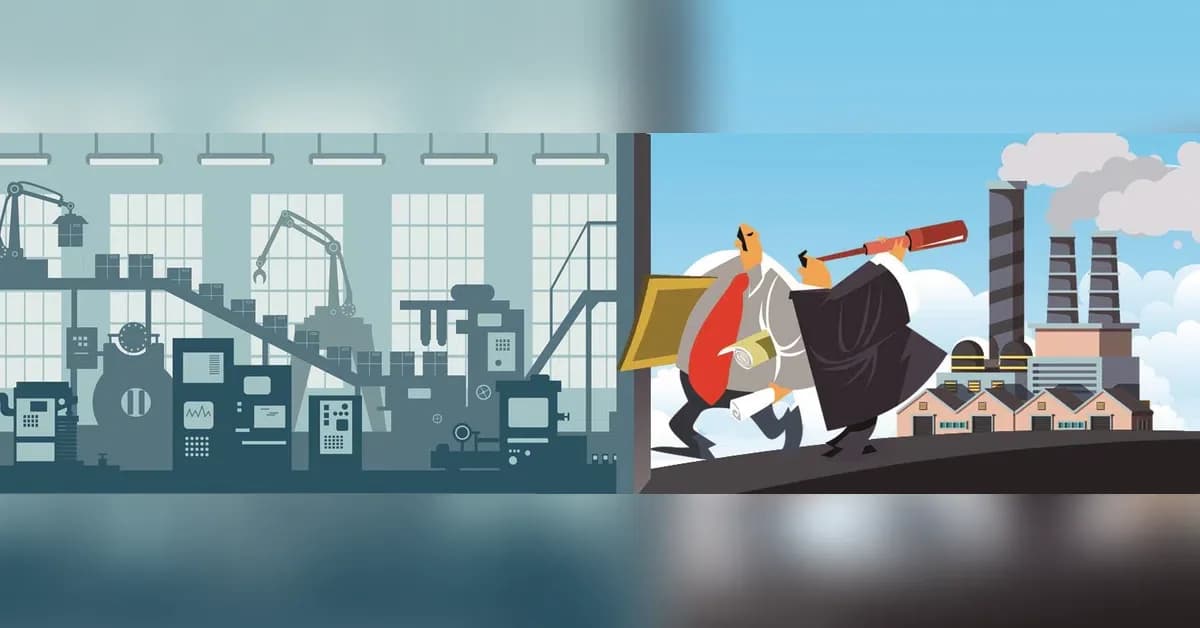
According to the analysis in Business Standard, India's manufacturing policy must shift from supporting established conglomerates to encouraging new startups and technological growth. The current approach involves entrepreneurship selection even after the abolition of industrial licensing, with support programs like the production-linked initiative (PLI) favoring conglomerates operating in multiple sectors. This creates barriers for new entrants and prevents competition, unlike successful models in South Korea and China where governments actively promote new private enterprises in manufacturing and services. The policy shift is particularly crucial given India's manufacturing decline and the need to bridge the competitiveness gap with regional peers. The latest AI developments at VivaTech 2025 underscore the urgency of this transformation, as organizations must adapt their manufacturing strategies to incorporate AI collaboration and workforce orchestration.
India's micro, small and medium enterprises (MSMEs) account for only 31% of GDP, significantly below China's performance, as reported by Business Standard. While the 2025-26 Budget allocated ₹11,954 crore for MSME employment guarantee and credit support schemes, the revised outlay for 2025-28 was reduced to just ₹2,549 crore. This compares unfavorably with PLI's revised outlay of ₹13,145 crore for 2025-26 and ₹98,095 crore in corporation tax savings from tax incentives. The MSME program appears separated from industrial policy due to different ministries handling formulation and implementation. The industrial-scale reshuffle is particularly challenging for MSMEs as they navigate AI adoption while maintaining their competitive position in an evolving manufacturing landscape.
The expert analysis suggests reducing the over 100 central schemes focused on manufacturing to make them longer-lasting and predictable, while focusing on new startups and technological growth rather than established enterprises. The recommendation emphasizes separating welfare-oriented MSME support from manufacturing policy and connecting manufacturing-oriented support with broader industrial policy. This approach would align with the 1991 liberalization reform's original intention to open opportunities for new starters, moving away from the current policy that primarily supports conglomerates that can grow without government assistance. The reforms should focus on creating a stable, coherent innovation policy framework that encourages long-term investment in defense-critical technologies and advanced manufacturing capabilities, while adapting to the new reality where AI agents are driving enterprise impact beyond experimental phases.