The government is actively implementing the 'One Household, One Connection' policy to discourage households from simultaneously using LPG and PNG connections. According to reports from TopNews, Oil marketing companies (OMCs) have started identifying consumers who hold both connections at the same address. The move aims to prevent misuse, hoarding and black marketing of domestic LPG cylinders while ensuring supplies reach households that do not have access to PNG infrastructure. Consumers living in areas with PNG availability are being encouraged to switch to piped gas and discontinue LPG usage. Recent reports suggest that homes with both LPG and PNG connections may face increased verification checks rather than automatic cancellation, with authorities reviewing existing records and usage patterns to identify duplicate benefits and inactive connections.
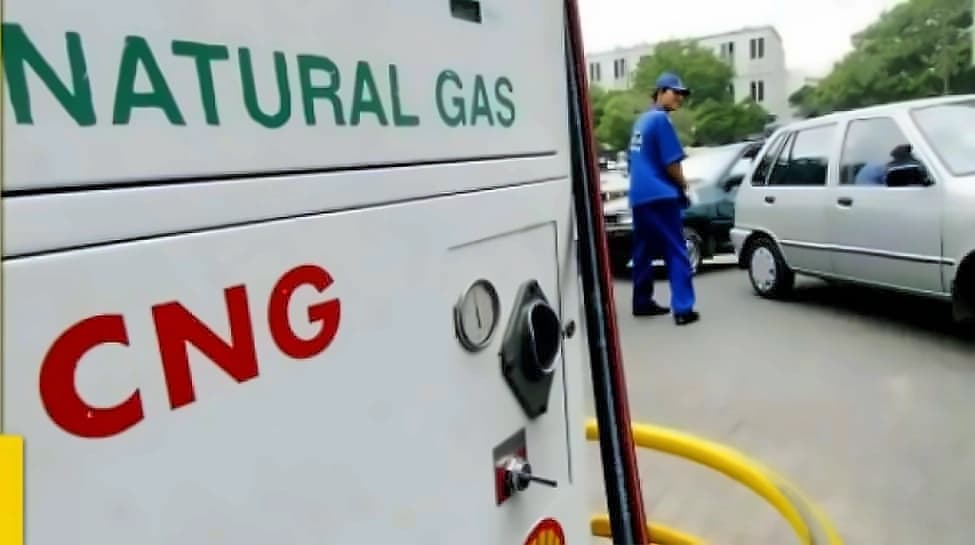
The government has tightened restrictions on dual LPG-PNG users under the revised framework. As reported by TopNews, consumers with active PNG connections may no longer be eligible to obtain new LPG connections or book LPG refills. OMCs and city gas distribution companies have integrated their databases to identify such consumers. The objective is to reduce dependence on LPG cylinders in areas where PNG infrastructure is already available and improve LPG availability elsewhere. Recent proposals suggest that urban households may face increased refill waiting periods from 21 days to 25 days, while rural users could see refill periods extend up to 45 days in certain cases, aimed at improving distribution efficiency and supply management across remote regions.
The government recently amended the Liquefied Petroleum Gas (Regulation of Supply and Distribution) Amendment Order, 2026. According to TopNews, consumers who obtain a PNG connection must terminate their LPG connection within 30 days of receiving the PNG connection. The amendment also provides relief for consumers who may need LPG again in the future. Consumers surrendering their LPG connection after switching to PNG can obtain a transfer voucher, which can be used to restore the LPG connection later if they move to an area where PNG infrastructure is unavailable. Recent reports indicate that initial setup costs may increase with revised security deposits and charges for regulators, hoses, and installation materials depending on the supplier and region.
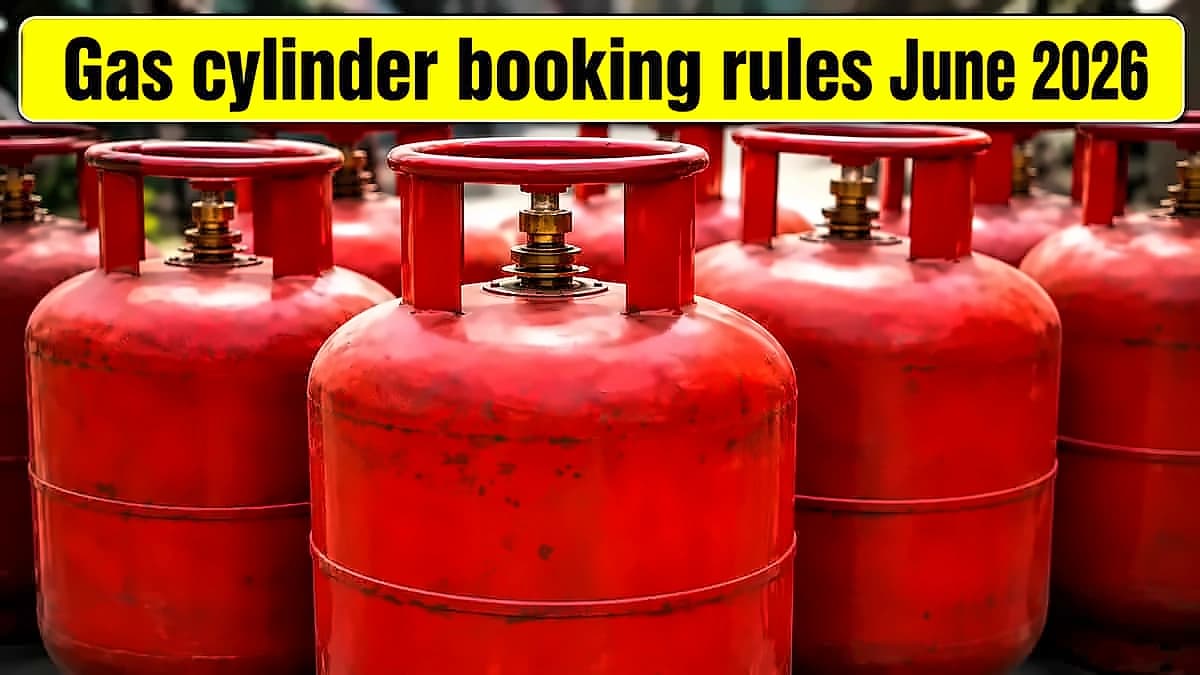
The Ministry of Petroleum and Natural Gas has clarified that reports claiming changes in LPG refill booking timelines are incorrect. As reported by TopNews, the government has advised consumers to rely only on official announcements and avoid misinformation circulating on social media and messaging platforms. Existing refill booking intervals continue to remain unchanged. The government is reportedly focusing on increasing PNG usage across urban areas through an awareness campaign called PNG Drive 2.0, which will continue until June 30 to educate households about the benefits of piped natural gas. Most reported changes remain proposals rather than confirmed rules, with several points still awaiting official confirmation before implementation.
Consumers who already have PNG connections should review their LPG status and comply with applicable rules regarding surrender or transfer vouchers. According to TopNews, those living in areas where PNG infrastructure is available should watch for communications from their gas distributor or OMC regarding any required action. Meanwhile, households that depend solely on LPG cylinders can continue booking refills as usual, as the government has not announced any change in refill booking timelines. With PNG adoption gathering pace and stricter scrutiny of dual connections, June 2026 marks an important transition period for domestic cooking gas consumers across the country. Consumers should keep their documents updated and monitor official announcements regularly to stay prepared for any future changes.