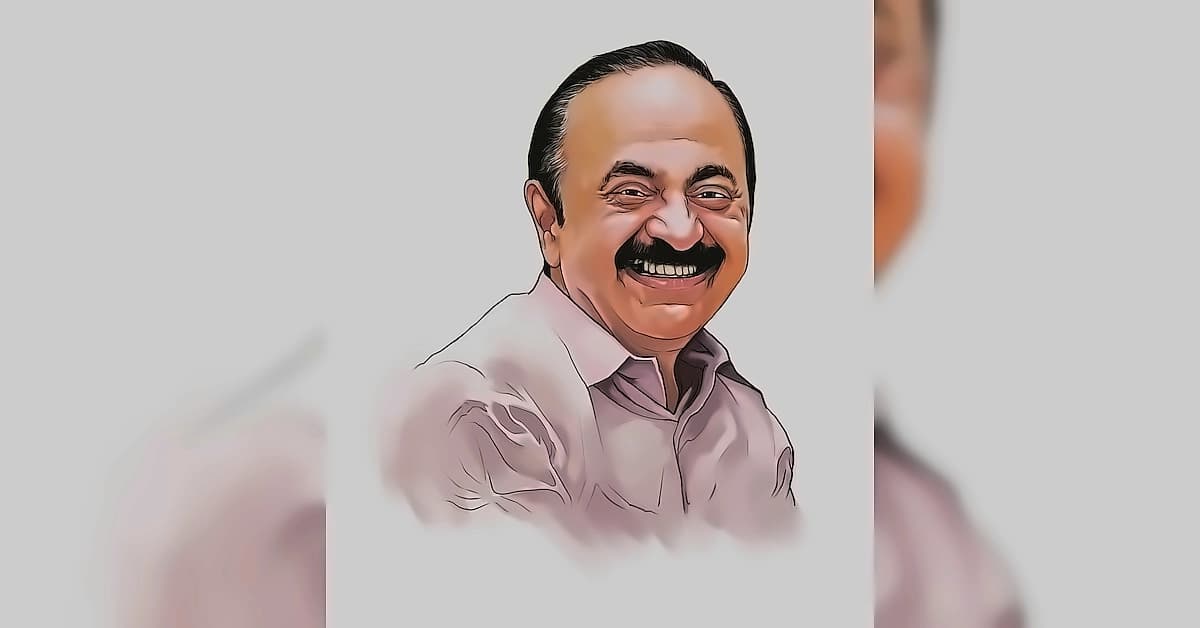
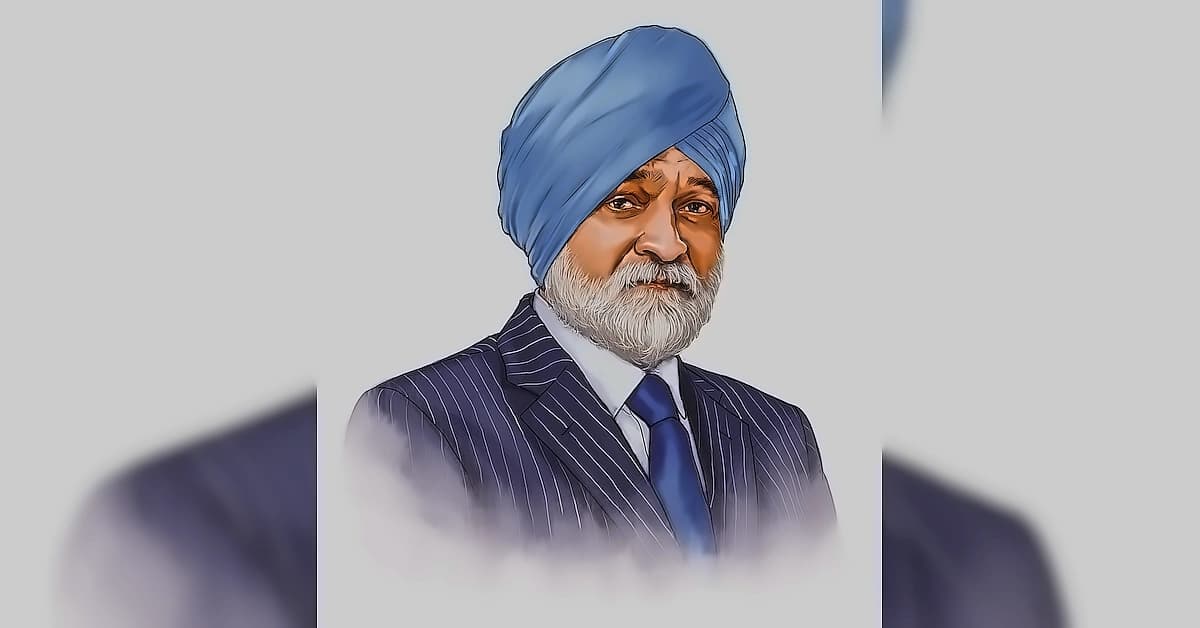
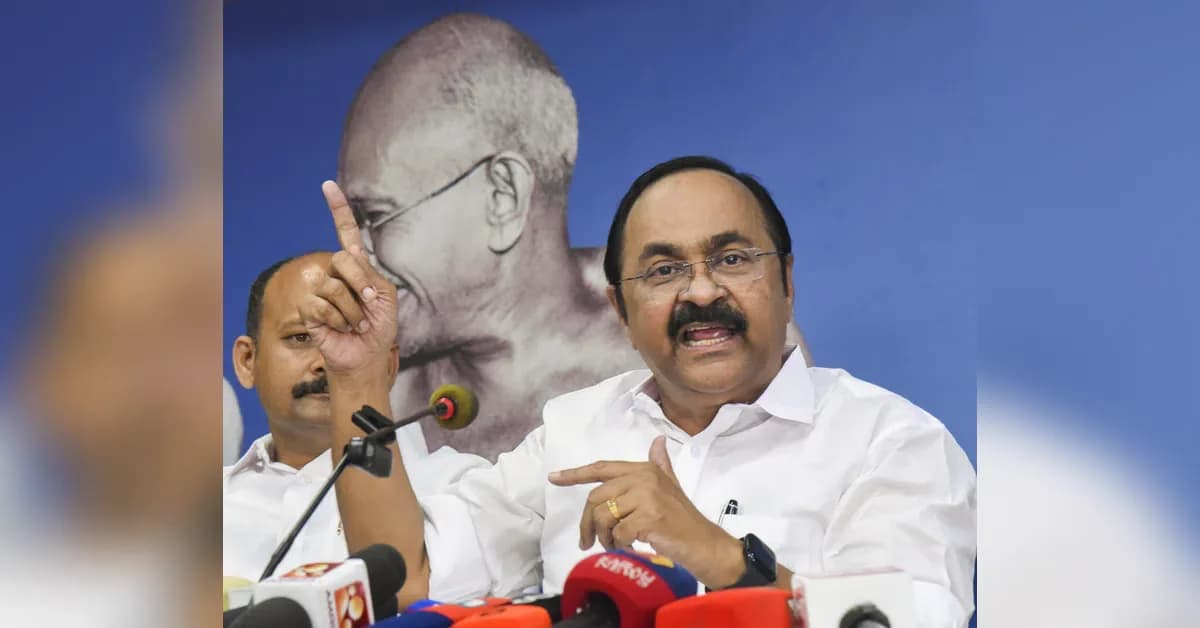
The UDF government has announced the formation of a special committee to prepare a white paper on Kerala's financial position, following the first UDF Cabinet meeting chaired by Chief Minister V D Satheesan on Tuesday (May 19, 2026). According to a CMO statement, the decision was taken at a high-level meeting of senior Finance Department officials chaired by the chief minister. The committee will be headed by former Cabinet Secretary Dr K M Chandrasekhar, with Additional Chief Secretary (Finance) K R Jyothilal appointed as the Convener. As reported by multiple sources, the committee was formed as part of the UDF government's commitment to provide a comprehensive assessment of Kerala's current financial situation. The committee held its first meeting on Tuesday (May 19, 2026), chaired by Chief Minister V D Satheesan, with the government intending to engage a group of experts to come out with a White Paper on the State's actual fiscal situation within 10 days.
The panel will include economist Dr Narayana and Centre for Development Studies (CDS) Director Dr Veeramani as members, as reported by the CMO statement. The white paper is expected to provide a clearer picture of the state's financial health and help guide future policy decisions, according to the statement. The committee's mandate extends beyond assessment to evaluate the state's true financial health, identify deep fiscal strains, and formulate corrective measures to guide future policy decisions and economic roadmaps. The committee's composition reflects the government's approach to bring together expertise from different fields to ensure a comprehensive analysis of Kerala's financial condition. The panel includes Additional Chief Secretary (Finance) K R Jyothilal as the Convener, economist Dr D Narayana who is the former Director of the Gulati Institute of Finance and Taxation, and Professor and Director of the Centre for Development Studies C Veeramani.
The white paper comes at a critical time when Kerala faces significant fiscal constraints that have been holding up many development initiatives in recent years. Recent Budget analyses had flagged that fiscal and revenue deficit remains significant in the State, with the 2026-27 revenue deficit estimated at ₹34,587 crore and fiscal deficit at 3.40% of GSDP. The UDF's election campaign was heavily welfare-driven, with promises of higher social security benefits and a higher package of free health insurance, along with free travel for women on the State's public transport buses as part of its "Indira guarantees." According to estimates, this measure alone would cost approximately ₹3 crore a day, given that 60% of those travelling on Kerala State Road Transport Corporation (KSRTC) buses are women. The primary aim of the expert panel is to reveal the "dire" state of Kerala's economy following a decade of rule by the previous Left Democratic Front (LDF) administration, with the UDF government taking office with significant, high-cost welfare promises that require feasibility studies to determine funding mechanisms.
The UDF has been alleging that the state's finances were in trouble due to mismanagement under the Left rule, an allegation that was strongly rejected by then Finance Minister K N Balagopal. As reported by Business Standard, this committee formation represents the UDF government's initiative to address financial concerns and provide a comprehensive assessment of Kerala's current financial position. Chief Minister V D Satheesan had previously used a white paper in 2023, just ahead of the State Budget, to argue that the State was heading into a debt crisis as Leader of the Opposition. The current white paper is not a mere technical exercise but a statement on fiscal transparency and the limits of government spending, especially since the Congress party had announced major welfare initiatives as pre-election promises, for which revenue sources would have to be identified. Veteran Congress leader A K Antony had pointed out how precarious the State's fiscal situation was and that the government may need to announce austerity measures in the initial period before populist initiatives can take off.