The Insurance Regulatory and Development Authority of India (IRDAI) has directed all insurers, including life and standalone health insurance companies, to fast-track claim settlements for policyholders affected by floods in Assam's Sivasagar, Charaideo, Jorhat and Golaghat districts. According to reports from The Economic Times, the insurance regulator issued this directive following the heavy rains and floods that began on July 19, emphasizing the urgent need for immediate response to the natural disaster affecting the region. The regulator has specifically asked insurers to deploy surveyors, loss assessors and investigators immediately to ensure quick settlement of claims arising from the flood-related losses.
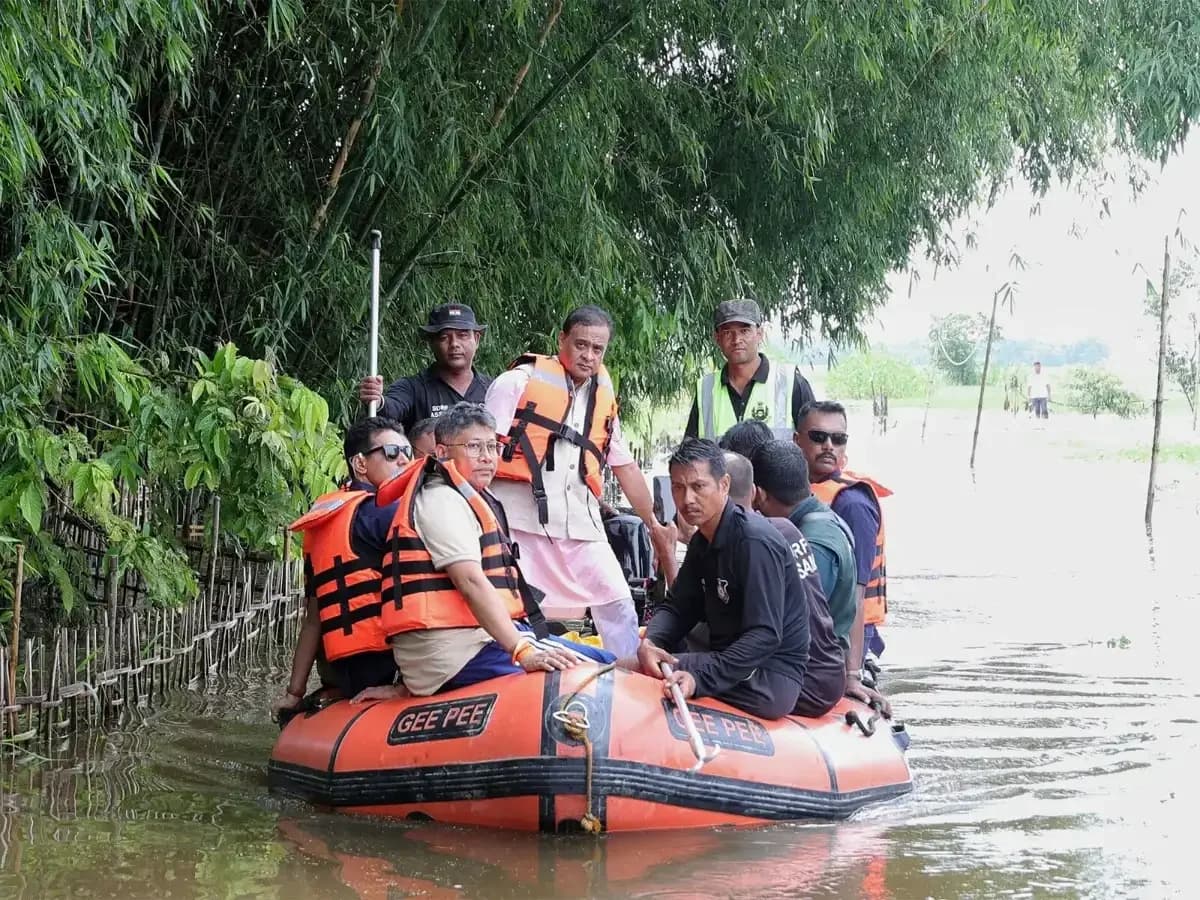
The natural disaster affecting four districts of Assam - Sivasagar, Charaideo, Jorhat and Golaghat - has caused widespread loss of lives, property (homes and businesses) and infrastructure, as reported by IRDAI. The authority emphasized that the floods were caused by heavy rains following a natural disaster, highlighting the scope of the damage across these affected areas. The disaster began on July 19, making the response even more critical for affected policyholders. The regulator has directed insurers to settle claim payments and on account payments at the earliest and encourage policyholders to use electronic communication wherever possible for correspondence.
IRDAI has directed insurers to deploy surveyors, loss assessors and investigators immediately to ensure quick settlement of claims arising from the flood-related losses. As reported by The Economic Times, the regulator has instructed insurers to set up special district-level claims desks and operate 24x7 helplines for speedy processing and settlement of claims. The authority has also urged insurers to encourage electronic communication to speed up claim registration and settlement for losses arising from the floods. The practical implementation involves claim registration typically beginning with a 24x7 helpline or district desk, followed by document verification and on-site assessments when needed, with insurers encouraged to use electronic communication channels to minimize paperwork and speed up information exchange.

For investors, the IRDAI flood claims framework marks a deliberate shift toward faster, more accountable disaster payouts that can influence insurer efficiency and resilience during flood events. According to market analysis, quicker payouts can influence the liquidity profiles of insurers, help reduce policyholder churn, and shape the sector's risk appetite as payout cycles compress. Insurers with robust claims handling infrastructure and digital channels are better positioned to maintain customer trust and navigate regulatory expectations. The directive's emphasis on electronic communications and on-account payments reduces friction and time to payout, with companies demonstrating efficiency potentially gaining competitive advantages that could influence premium growth expectations and valuation multiples over time.
Insurers have been advised to communicate the nomination of a Senior Executive to the Chief Secretary immediately and oversee districts reporting large numbers of claims through designated District Claims Service Heads. According to the circular reported by The Economic Times, insurers must give wide publicity on the contact details of these officers on their websites and also in the media to ensure better accessibility for affected policyholders. The regulator has emphasized the need for immediate deployment of all necessary resources to handle the flood-related claims effectively. The District Claims Service Head acts as the designated leader to oversee large volumes of claims in a district, ensuring accountability and faster escalation when delays occur, creating clearer accountability and faster escalation paths when issues arise.