India's Extended Producer Responsibility (EPR) system mandates producers, importers, and brand owners (PIBOs) to collect 100% of plastic waste generated from 2023-24. According to reports from Business Standard, PIBOs are required to recycle 40-60% of collected packaging material as of last year, with targets increasing to 50-70% for 2026-27 depending on plastic category. For category 2 plastic, which includes single to multilayered packaging for items like chips and shampoo sachets, PIBOs must collect 100% of their plastic packaging and recycle 50% of it. The system operates through over 1,000 registered plastic waste processors (PWPs) required to be registered with the Central Pollution Control Board.
PIBOs contract with PWPs at CPCB-mandated rates of ₹870 per tonne for category 1 materials (pet bottles), ₹1,500 per tonne for flexible plastic (packaged food), and ₹2,500 per tonne for compostable materials. As reported by Business Standard, each tonne of plastic recycled generates one EPR certificate. The cost of non-compliance is set at ₹5,000 per tonne for category 2 plastic, which is 2.5 times the compliance cost of ₹2,000 per tonne. The CPCB estimates plastic waste recycling costs at ₹4,000 per tonne, which is distributed equally between municipalities and producer companies. Since 2022, India has recycled 17 million tonnes of plastic waste, valued at approximately ₹2,500 crore at the average rate of ₹1,500 per tonne.
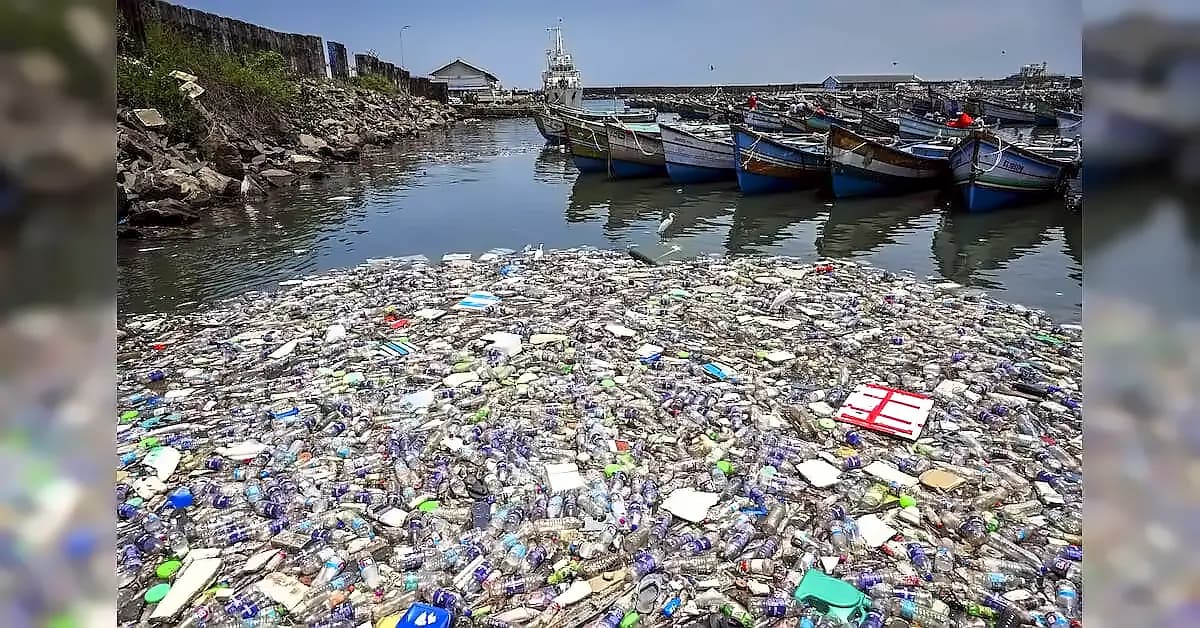
According to Business Standard reports, audits conducted by colleagues found that 70% of plastic waste in Agra city drains consisted of branded packaging, raising questions about companies' claims of 100% collection. The official EPR portal shows 41,544 PIBOs registered with recycling targets based on self-reported data, with unclear validation processes. On June 26, 2026, the CPCB directed states to take action against non-compliant PWPs, with audits suggesting many units were generating certificates exceeding registered capacity. The high GST rate of 18% makes open business unviable, as most recycled products are plastic pellets used by informal sector industries.
As reported by Business Standard, research indicates the real cost of recycling category 2 plastic ranges from ₹4,000 to ₹6,000 per tonne, significantly higher than the set rate of ₹1,500 per tonne. The EPR portal became available only to a closed group of users as of June 28, 2026, raising transparency concerns. The government is reportedly considering taking this system to the stock market to allow trading of EPR certificates, but experts question whether the current system's lack of transparency will make compliance worse rather than better. This transparency gap reflects broader challenges in global environmental governance, where international agreements often lack effective monitoring and enforcement mechanisms.