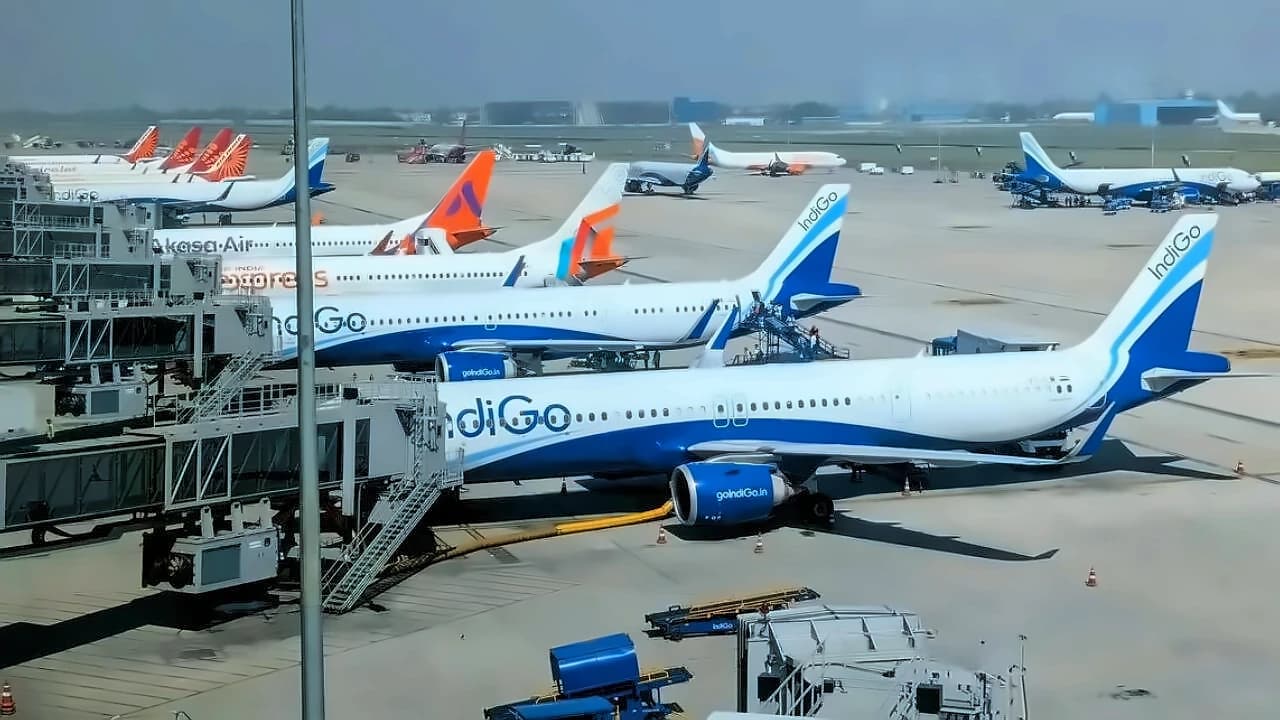
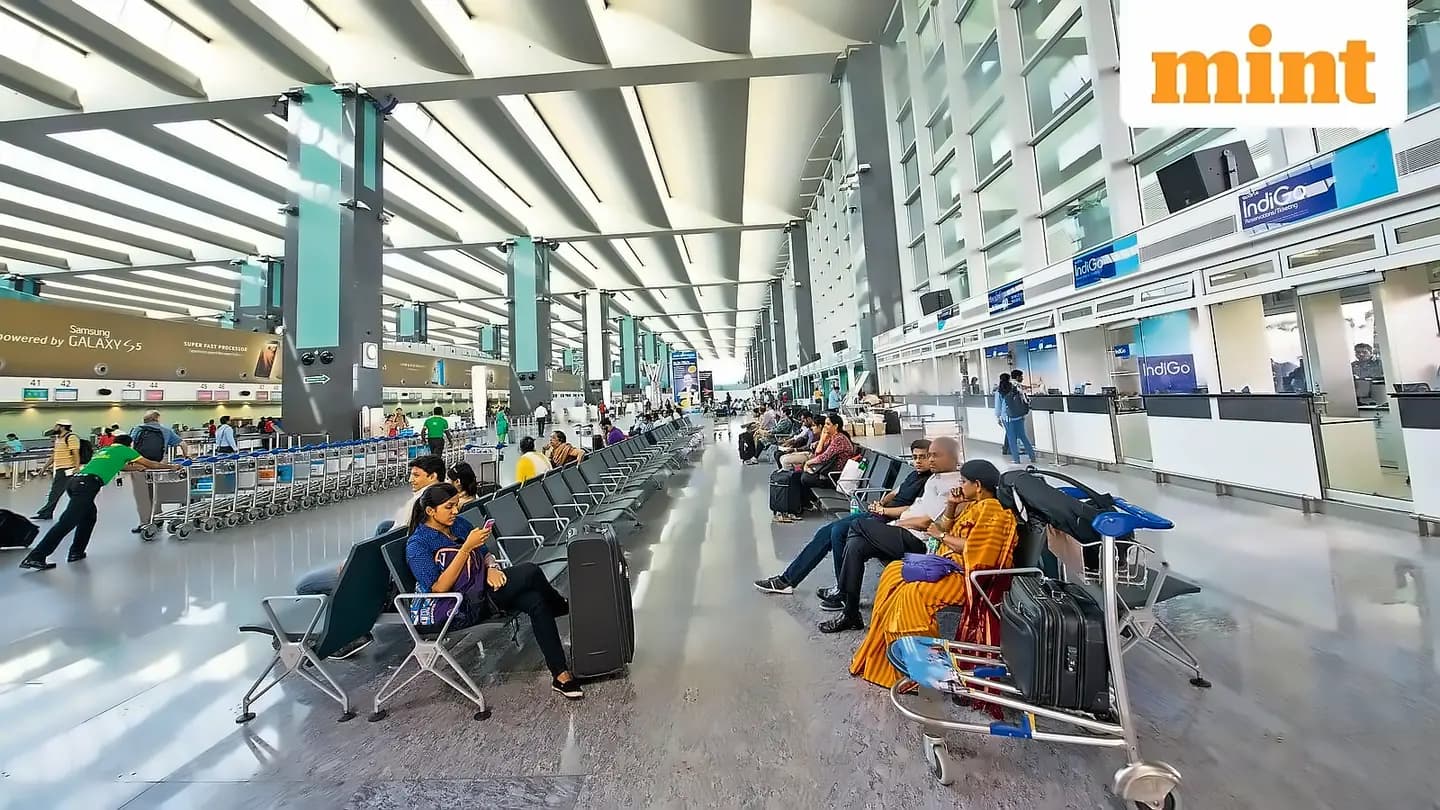
Willie Walsh, IATA chief and incoming IndiGo CEO, emphasized India's aviation market potential while highlighting key challenges. Speaking at the IATA Annual General Meeting, Walsh described India as "a fantastic market that demonstrates the real value of aviation" with "very significant growth potential in the international market in due course." According to Business Standard, Walsh noted that "the net position in India is very, very exciting" and proven by the growth in the domestic market. However, he cautioned that taxation could slow down the growth potential, stating that "if you have a more business-friendly environment where you want to see stronger growth, which I think India needs, then you have to look carefully at what your tax rate is."
The Union aviation ministry has initiated a study on financially stressed airlines in India to assess structural challenges and identify measures to improve sector resilience. According to reports from The Times of India, the ministry has asked airlines and other stakeholders to suggest reforms in policy, regulatory affairs, operations, contracts, procurement-related and other areas, along with the reasons for their suggestions and the impact of the same. The government plans to push for these reforms to help mitigate financial distress and support the sustainable growth of the airline sector in India. The initiative comes as India faces multiple economic pressures from the West Asia crisis, with the government implementing various support measures across sectors.
Airlines have identified several key reforms that could address the sector's financial challenges. As reported by The Times of India, a senior airline official suggested aviation turbine fuel should be brought under GST at 5% so it's fully recoverable against output GST, along with removing GST on international flights and implementing a single 5% GST slab for air tickets (not separate for business class). Another official emphasized the need for reverse bidding of airports on the basis of the lowest airport charges for airlines and consumers to make travel affordable, as opposed to the current practice of seeking the highest revenue share bid per passenger. The industry also seeks price surveillance on monopoly routes and reforms to import duty on engineering spares and parts.
Contemporary India counted IndiGo as its only profitable airline, and now that too has flown into the red. According to reports from The Times of India, Air India's losses have led to serious concerns in Bombay House, while emerging airlines including Akasa, Star Air and Fly91 and smaller players are also struggling in the current situation. The West Asia crisis has seen India provide more support to airlines than it did during Covid by taking temporary steps like cutting airport charges, first capping jet fuel prices for domestic flights and then planning to move to a price stabilisation mechanism. In response to surging fuel costs, some states have reduced the value-added tax on jet fuel, which accounts for over 40% of a carrier's operational expenses. As Walsh noted, "It seems somewhat strange that it's cheaper to fly internationally than domestically because of the domestic fuel tax in India, but the government has taken measures to dampen that impact."
Willie Walsh, who took over as IATA director general in April 2021, will soon be taking over as IndiGo CEO following the airline's announcement on March 31. According to Business Standard, Walsh stated he wouldn't be joining IndiGo if he didn't think India was "a fantastic and exciting market" with "huge potential." India is one of the world's fastest-growing civil aviation markets, with IndiGo holding a domestic market share of 65% as the country's largest airline. Walsh emphasized that "for India to fulfil its economic ambition, it can be achieved only through greater air connectivity, both domestic and international" and noted that India has a fantastic population, a government focused on economic growth, and they value the contribution of aviation. However, he cautioned that aircraft deliveries are suffering due to supply chain issues and some planes are grounded due to engine issues, which is resulting in higher maintenance charges.