India's aviation sector is experiencing severe financial distress, with GMR estimating airline industry net losses at ₹32,000-34,000 crore in FY26, compared to approximately ₹5,500 crore in FY25. According to GMR's annual report, these losses are expected to widen to ₹36,000-38,000 crore in FY27, driven by rupee depreciation, elevated jet fuel prices, higher lease rentals, and softer passenger traffic. Major carriers IndiGo and Air India group, which together account for more than 90% of India's domestic airline market, reported losses of over ₹22,000 crore and nearly ₹2,400 crore respectively in FY26.
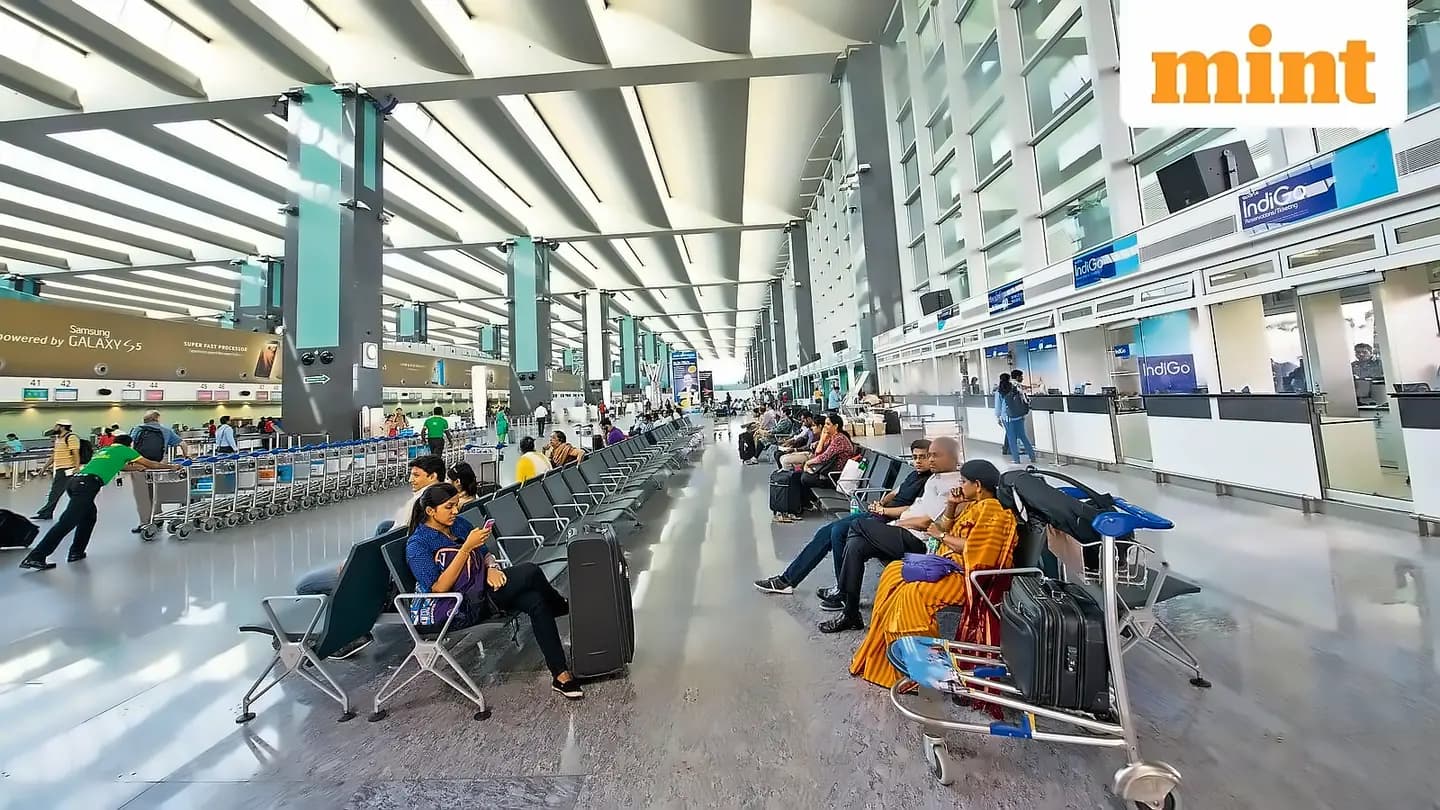
The financial crisis is directly affecting airport operations, with GMR's airports handling 121.6 million passengers in FY26, barely 1% higher than 120.6 million a year earlier. However, cargo operations remained resilient, with volumes across GMR-operated airports rising to 1.33 million tonnes. As reported by Mint, ongoing restructuring and fleet reduction by budget carriers has resulted in lower domestic capacity utilization at airports, with approximately 99 aircraft remaining grounded across selected airlines at March-end. The Noida International Airport acknowledged that geopolitical environment has resulted in a "more gradual ramp-up than originally anticipated," with the airport expected to make a negative contribution in 2026 and breakeven expected in 2027.
Airport operators are pivoting to non-aeronautical revenue streams to counter passenger traffic challenges. According to aviation expert Amit Mittal from Aerointellect Aviation, airport operators have opportunities to monetize ATO (approved training organisation), MRO (maintenance, repair and overhaul), warehouses, cargo, FBO (food business operator) and airport EPC, alongside passenger-centric revenue growth. GMR Aero Technic generated ₹676.9 crore in FY26 revenue, up 26%, while cargo, retail, food and beverage, and airport-led real estate are becoming increasingly important parts of the platform. This diversification supported GMR's financial performance, with gross income rising 40% to ₹15,200.8 crore and consolidated PAT turning positive at ₹472.4 crore.
Despite industry challenges, some airports are demonstrating resilience. Bengaluru's Kempegowda International Airport handled 44.47 million passengers, up 6.2%, with international traffic rising 23.9% to 7.23 million. According to BIAL's annual report, cargo grew about 6% while income rose 15% to ₹4,579 crore and PAT increased more than 86% to ₹1,115 crore. This performance suggests that the underlying demand story remains intact, even as airline capacity increasingly determines how much of that demand airports can capture. The contrast highlights how geopolitical disruptions and fleet constraints are affecting newer airports more significantly than established facilities.
Despite current challenges, GMR remains optimistic about India's aviation potential. The company expects the structural investment case for Indian aviation to remain intact as air travel penetration continues improving with the expanding middle-income segment. GMR Airports is seeking approval to raise up to ₹5,000 crore separately from approval to raise up to ₹1,500 crore through NCDs for refinancing existing debt. The company is evaluating new airport concession opportunities while pursuing asset-light operations and maintenance opportunities in Central and Southeast Asia, West Asia and Africa. GMR-run Hyderabad and Fairfax-run Bengaluru airports are planning a near ₹26,000 crore expansion over the next five years, indicating continued confidence in long-term aviation growth despite current headwinds.