The United States and Iran are moving closer to a deal to end West Asia hostilities that intensified from February 28, 2026. According to reports from Business Standard, this development has had a calming effect on markets, raising hopes of reopening the Strait of Hormuz through which a fifth of global trade in oil takes place. Crude oil prices have declined, with the Indian Basket crude oil price falling to $83 per barrel after the US-Iran peace deal news broke on Monday, down from the range of $106-114 per barrel in March, April and May. The rupee has gained against the dollar, bond yields have decreased, and steps by the Union government and Reserve Bank of India have raised prospects of increased foreign exchange flows through overseas deposits and foreign investment in bonds. However, as reported by LiveMint, the IMF remains on 'high alert' over war fallout even after the preliminary deal, highlighting ongoing concerns about the region's stability.
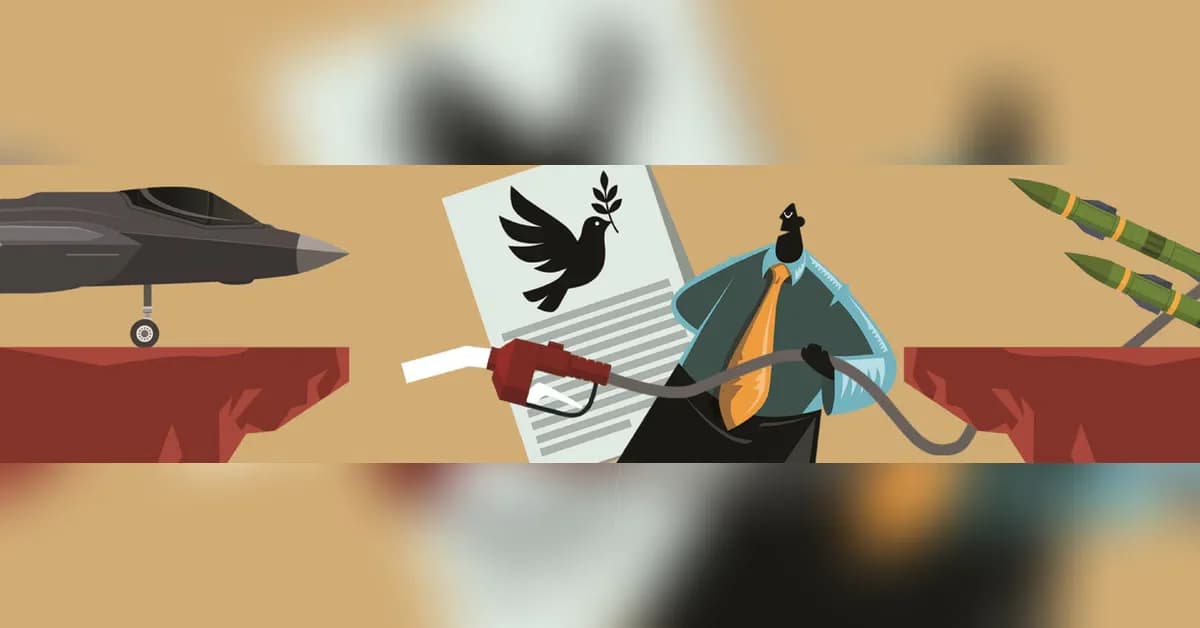
India's oil sector faces significant challenges despite recent improvements. As reported by Business Standard, India's dependence on crude oil imports has increased from 84% in 2014-15 to 90% in 2025-26, while domestic production declined from 36 million tonnes to 26 million tonnes during the same period. The Northeast region accounts for more than 22% of the country's crude-oil reserves and 15% of gas reserves, making expeditious drilling in this region crucial for energy security. Underrecoveries of state-controlled oil refineries have also declined to ₹3 per litre for petrol and ₹27 per litre for diesel, down from previous levels of ₹24 per litre for petrol and ₹105 per litre for diesel before May's price increases.
The West Asia crisis has created significant fiscal challenges for the government. According to Business Standard, the additional annualised expenditure burden from crisis-related measures totals approximately ₹4 trillion, including ₹1 trillion from reduced special additional excise duty on petrol and diesel, ₹1 trillion for the Economic Stabilisation Fund, ₹1.7 trillion in additional fertiliser subsidies, and ₹18,000 crore for the credit guarantee scheme for micro, small and medium enterprises. This could widen the Union government's fiscal deficit to about 5.3% of GDP from the budgeted 4.3% of GDP if not offset by expenditure savings elsewhere. As reported by LiveMint, the fertiliser subsidy burden, initially projected at ₹1.7 trillion, is feared to double to ₹3.4 trillion, requiring expedited implementation of direct benefit transfer mechanisms to farmers.
Despite the current respite, fundamental policy reforms remain urgent. As reported by Business Standard, the government should focus on increasing domestic crude oil and gas production through continued policy support and accelerated drilling in the Northeast. The fertiliser subsidy burden, initially projected at ₹1.7 trillion, is feared to double to ₹3.4 trillion, requiring expedited implementation of direct benefit transfer mechanisms to farmers. The Union finance ministry should consider rolling back the ₹10 per litre excise duty cut implemented on March 26, which resulted in an annualised revenue loss of ₹1 trillion in 2026-27, as international crude oil prices decline. The continued closure of the Strait of Hormuz remains unacceptable, with its repercussions extending far beyond the region to disrupt the global economy and threaten food supplies.