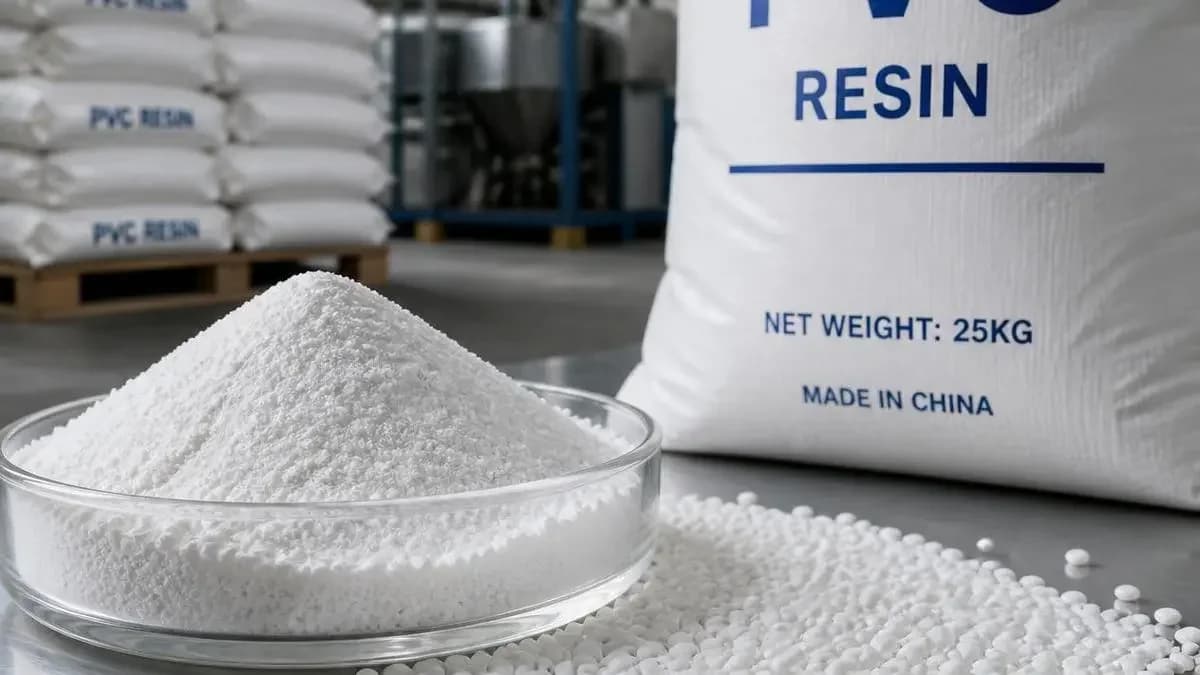
The Directorate General of Foreign Trade has imposed a minimum import price (MIP) of $0.766 per kg on suspension-grade polyvinyl chloride (S-PVC) resin for a six-month period. According to reports from Business Standard, this move is specifically designed to curb alleged dumping and encourage domestic manufacturing in the PVC sector.
India's PVC market faces a significant supply-demand gap that undermines the effectiveness of import restrictions. As reported by Business Standard, India consumes around 4.7 million tonnes of PVC annually but produces only about 1.7 MT, leaving nearly two-thirds of domestic demand to be met through imports. This substantial production shortfall means that imports are not a matter of choice but of necessity for the Indian economy.
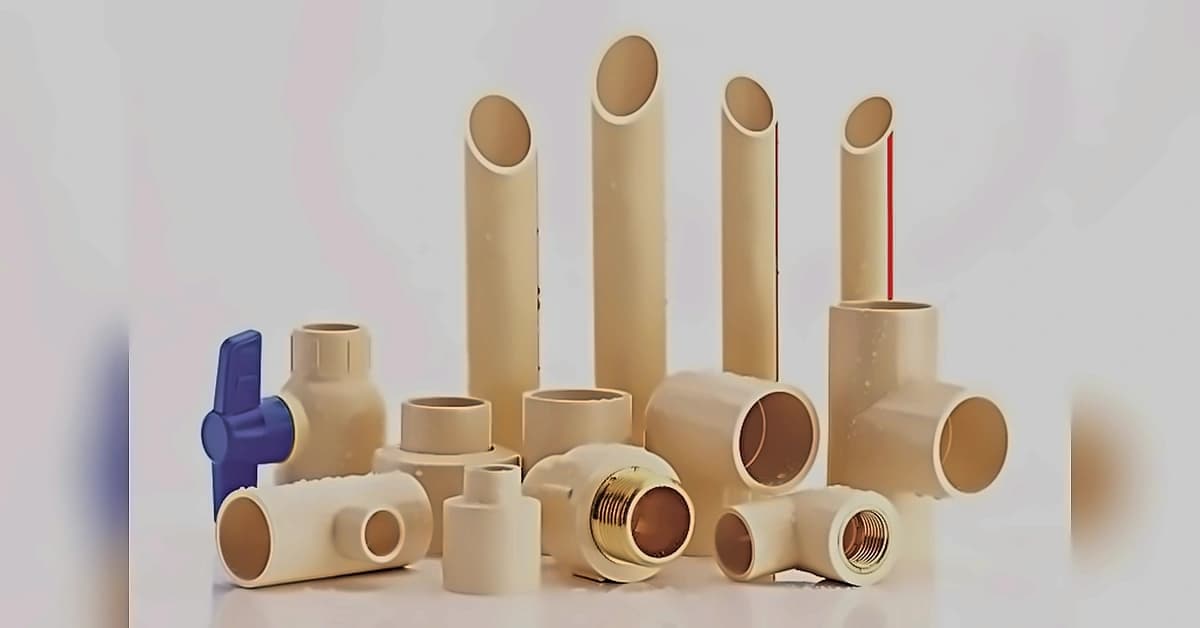
The MIP implementation is expected to have broad-ranging effects across multiple sectors that rely on PVC as a critical raw material. According to Business Standard, PVC is used to manufacture irrigation and water-supply pipes, electrical conduits, cables, fittings, films and a range of medical and construction products, making it essential for sectors such as housing, agriculture and infrastructure. The restriction risks raising costs across the entire PVC value chain, potentially impacting MSMEs, infrastructure projects and exporters.
While the objective of reducing India's import dependence is legitimate, the practical implications of the MIP policy may not achieve its intended goals. As reported by Business Standard, in an industry where domestic production meets barely one-third of demand, restricting cheaper imports is unlikely to reduce import dependence. The policy risks creating additional cost burdens for sectors that rely heavily on PVC as a raw material input.