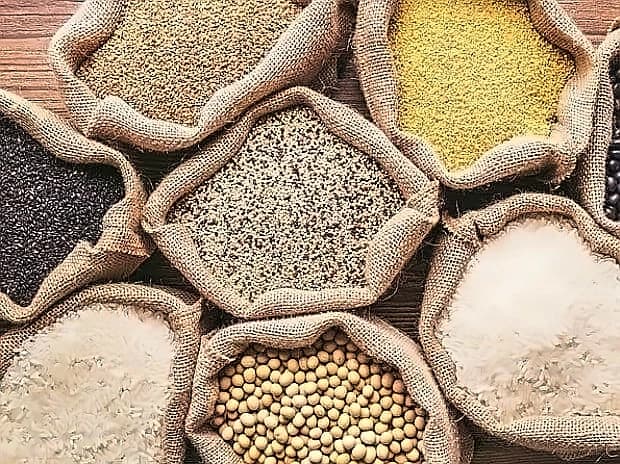
The Indian Government has extended the import policy for key pulses including tur (pigeon pea) and urad (black matpe) by another year until March 31, 2027, according to reports from The Hindu BusinessLine. Black matpe and pigeon pea imports will continue to remain duty-free, while yellow peas will attract a 30% import duty. The current import policy for tur, urad and yellow peas was set to end on Tuesday, but has been extended to provide adequate supplies to the market.
Bimal Kothari, Chairman of India Pulses and Grains Association, told The Hindu BusinessLine that the Government's decision to extend the import policy for another year will provide long-term visibility for the industry. With this policy extension, pulses import volumes are likely to be over 5 million tonnes during 2026-27, similar to current year volumes. Kothari noted that pulses import volumes are expected to reduce to around 5.23 million tonnes this fiscal from 7.3 million tonnes a year ago.
According to separate notifications from the Directorate General of Foreign Trade (DGFT), the free import policy of tur and urad stands extended up to March 31, 2027. For yellow peas, import is 'free' without the minimum import price (MIP) condition and without port restriction, subject to registration under online import monitoring with immediate effect for all import consignments where Bill of lading is issued on or before March 31, 2027. While imports of tur and urad are duty-free, pulses such as chana and masur attract a 10% duty and yellow peas 30% duty.
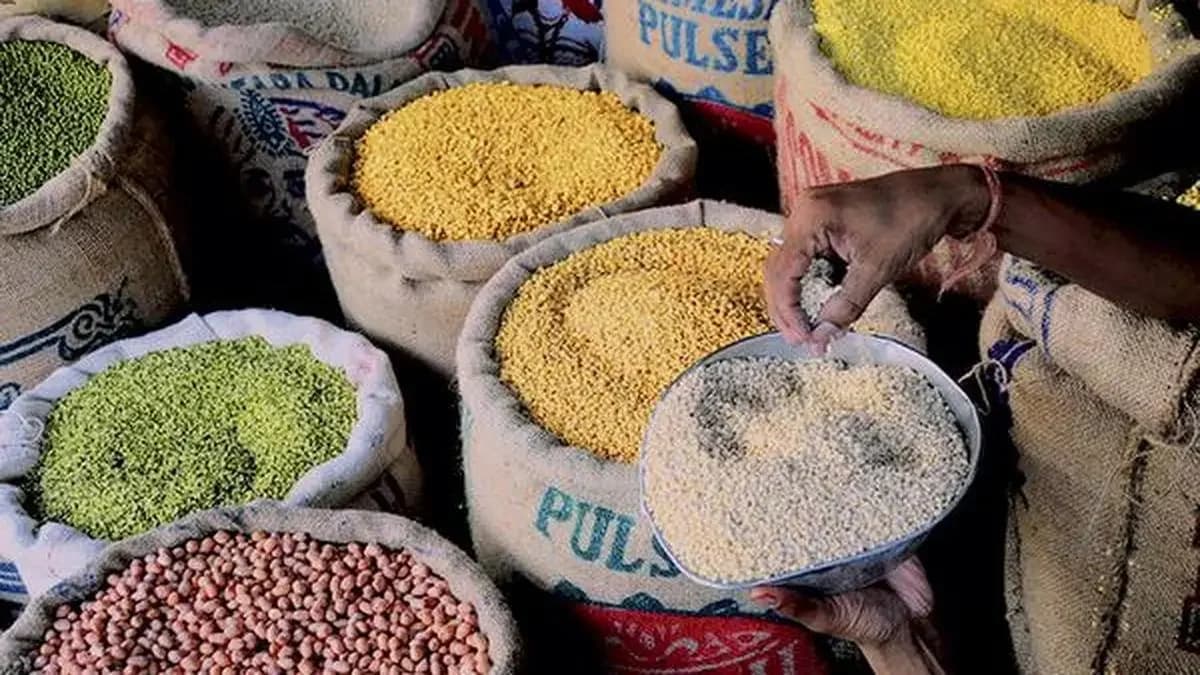
As reported by The Hindu BusinessLine, decline in domestic production during 2025-26 has been another factor prompting the Government to extend duty-free import policy. According to second advance estimates, tur production during 2025-26 is down 4.66% at 34.55 lakh tonnes over 36.24 lakh tonnes a year ago. Similarly, urad production was down 10.7% during kharif at 12.06 lakh tonnes (13.41 lakh tonnes previous year) and 8.14% down in rabi at 5.08 lakh tonnes (5.53 lakh tonnes). India's pulses imports during calendar year 2025 eased marginally to 65.69 lakh tonnes compared with 68.75 lakh tonnes in the previous year.
According to The Hindu BusinessLine, the pulses trade was expecting the government to maintain status quo on current import policy amid concerns of the emergence of El Nino, which may bring in lower-than-normal rains impacting production of key kharif pulses. The ongoing war in West Asia has disrupted supply chains resulting in higher freight and insurance costs, leading to likely higher imports. India's pulses imports during calendar year 2025 showed a marginal decline due to drop in imports of yellow peas, while overseas purchases of urad, chana and tur registered an increase.