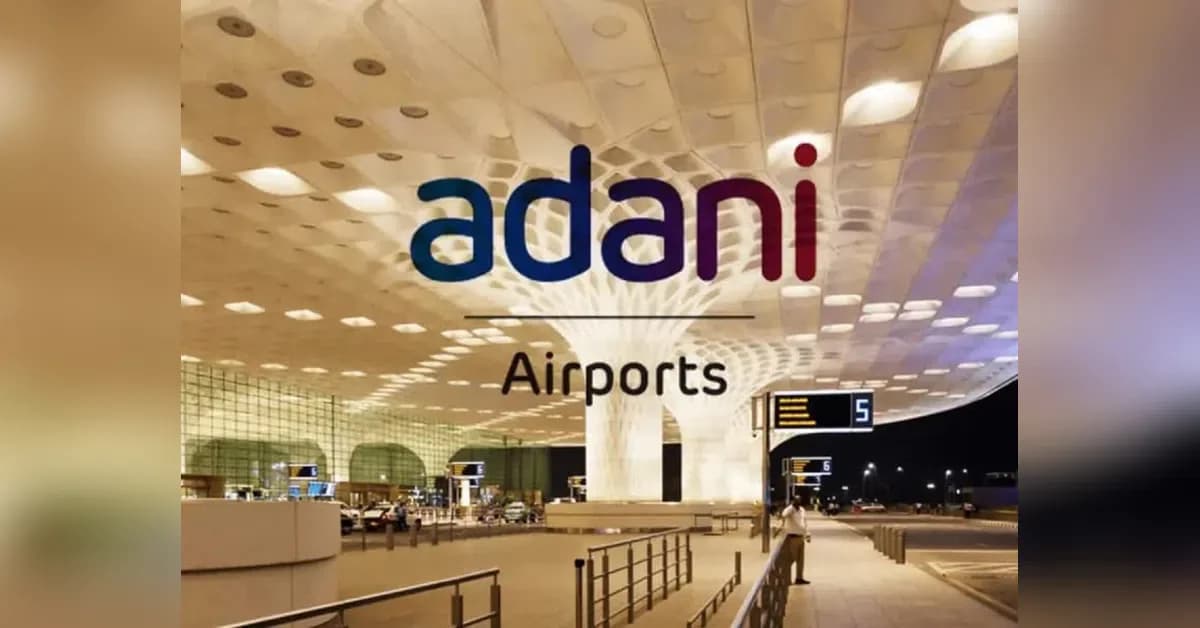
The Union health ministry has inaugurated Navi Mumbai Airport in Maharashtra as a port for the import of drugs under the Drugs Rules, 1945, according to an official statement released on 8 July 2026. The amendment to Rule 43A of the Drugs Rules, 1945, now includes Navi Mumbai in the list of airports through which drugs may be imported into the country. This regulatory change represents a significant expansion of India's pharmaceutical import infrastructure, with the airport reported to start international cargo operations from this month and expected to see a gradual ramp-up in traffic, providing relief to importers facing delays at Mumbai's congested Chhatrapati Shivaji Maharaj International Airport.
The gazette notification was issued after consultation with the Drugs Technical Advisory Board under the provisions of the Drugs and Cosmetics Act, 1940, as confirmed by ministry officials. With the latest addition, the total number of notified ports of entry -- across air, sea, road and rail -- for the import of drugs has increased to 42. This expansion provides pharmaceutical companies with greater flexibility by adding a new alternative for import of medicines into India. The airport's strategic location and infrastructure capabilities are expected to strengthen the supply chain for medicines and boost the airport's role in international cargo operations. Navi Mumbai Airport has been added as a new gateway for pharmaceutical consignments in western India, with the airport located near Maharashtra's industrial and pharmaceutical manufacturing clusters.
The amendment is expected to facilitate smoother movement of pharmaceutical consignments, strengthen logistics infrastructure, and provide greater flexibility to importers by adding a new alternative for import of medicines into India. According to the ministry statement, the initiative aligns with the government's continued efforts to strengthen the regulatory framework, improve trade facilitation, and promote Ease of Doing Business while ensuring effective regulatory oversight of imported drugs. The move aims to strengthen the pharmaceutical supply chain and facilitate ease of trade in the healthcare sector, particularly addressing congestion issues at existing entry points. The notification is linked to trade facilitation, logistics infrastructure, and multimodal connectivity for pharmaceutical shipments.
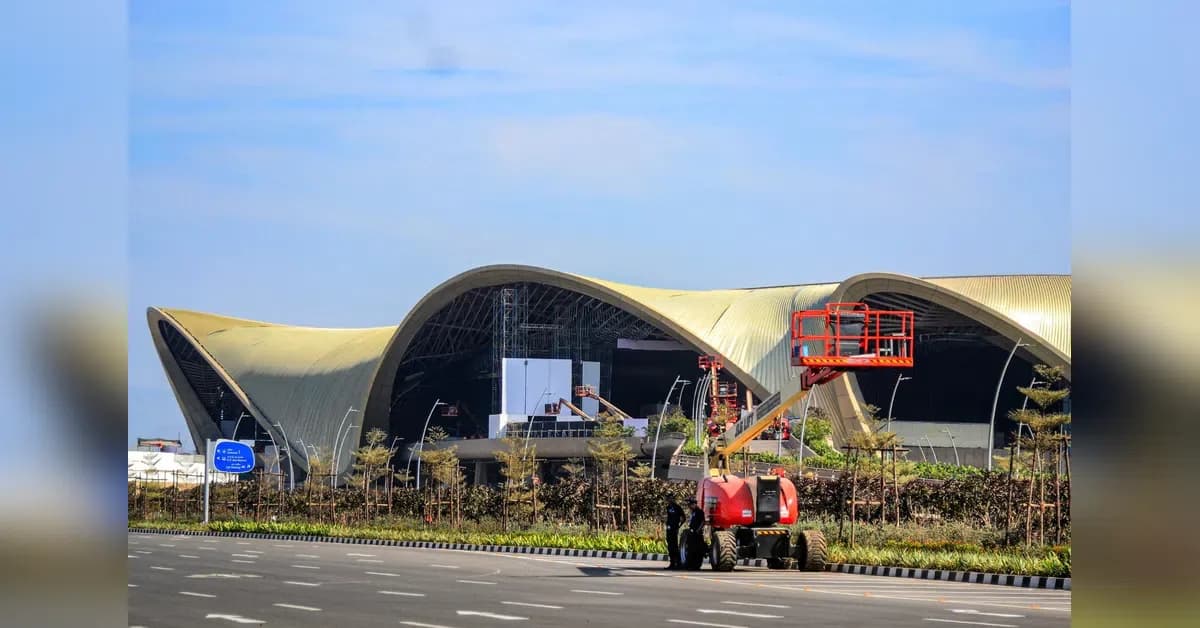
The inclusion of Navi Mumbai Airport represents a strategic move to expand India's pharmaceutical import capacity and ease congestion at existing entry points. AAHL took over the development and management of the airport in 2021 following its takeover of the Mumbai International Airport from Hyderabad's GVK Group. The Ahmedabad-based business conglomerate is India's largest airport infrastructure company, and manages around 30 per cent of India's total air cargo traffic. This operational background positions the airport well to handle the expected increase in pharmaceutical import volumes and strengthen India's position in global drug logistics. The airport is expected to handle medicines, active pharmaceutical ingredients, and other healthcare products through a regulated import channel.
The ministry has also introduced simplified procedures for drug imports through Form 11, which allows import of drugs for examination, test or analysis purposes. The amendment introduces an acknowledgement-based system for import of all drugs in small quantities for analytical and non-clinical testing purposes, significantly reducing compliance burden on applicants. This change is expected to eliminate licensing requirements for importing small quantities of drugs for testing or R&D purposes, promoting research and innovation while enhancing ease of doing business in the pharmaceutical sector, enabling start-ups and industries to quickly initiate testing or analysis activities.