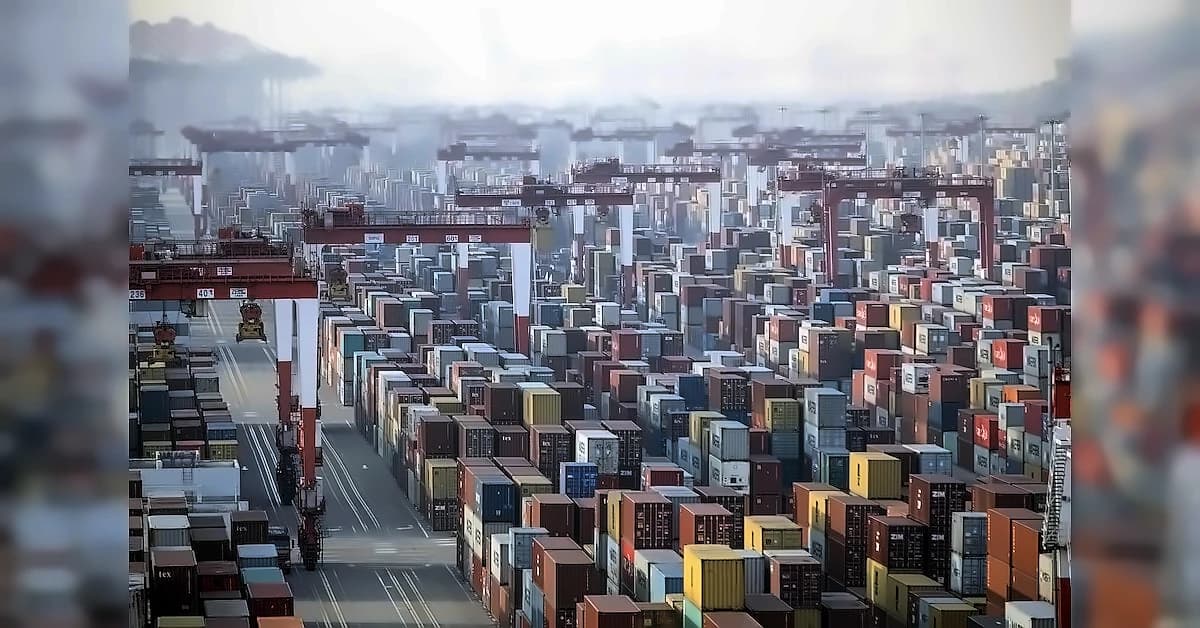
The Trump administration has included India among 23 major drug transit or illicit drug-producing countries for fiscal year 2027, according to a presidential determination submitted to Congress on September 15. As reported by the US State Department, the list includes India, China and Pakistan among other nations identified as major drug transit countries. The presidential determination covers 23 countries and specifically welcomed Prime Minister Modi and the Government of India's efforts to address illicit opium poppy cultivation and bolster supply chain integrity. Trump stated he looked forward to continued cooperation with India through the US-India Drug Policy Framework, while the US also singled out China over precursor chemicals used in the illicit production of fentanyl, methamphetamine and other synthetic drugs, calling for Beijing to take stronger action including scheduling additional chemical precursors sought by the US. The US named Afghanistan, Bolivia, Burma and Colombia separately as countries that failed demonstrably to meet their international counternarcotics obligations over the previous 12 months. This designation does not necessarily reflect a government's current counternarcotics efforts or its cooperation with the US, as countries can be included based on geographic, commercial and economic factors that facilitate the transit or production of drugs or precursor chemicals.
The US State Department has clarified that inclusion on the list does not necessarily reflect a country's current counter-narcotics efforts or its level of cooperation with Washington. According to the State Department, countries can be included based on geographic, commercial and economic factors that facilitate the transit or production of drugs or precursor chemicals, even when governments are taking significant enforcement measures. This distinction allows for countries with strong anti-narcotics programs to still appear on the list due to their strategic location or economic characteristics. The FY2027 list also includes Afghanistan, The Bahamas, Belize, Bolivia, Burma, Colombia, Costa Rica, the Dominican Republic, Ecuador, El Salvador, Guatemala, Haiti, Honduras, Jamaica, Laos, Mexico, Nicaragua, Panama, Peru and Venezuela, with India, China and Pakistan not designated as having failed demonstrably on counternarcotics commitments. The US determination explicitly states that appearing on the major drug transit or illicit drug-producing countries list does not necessarily indicate that a government is failing to combat drug trafficking.
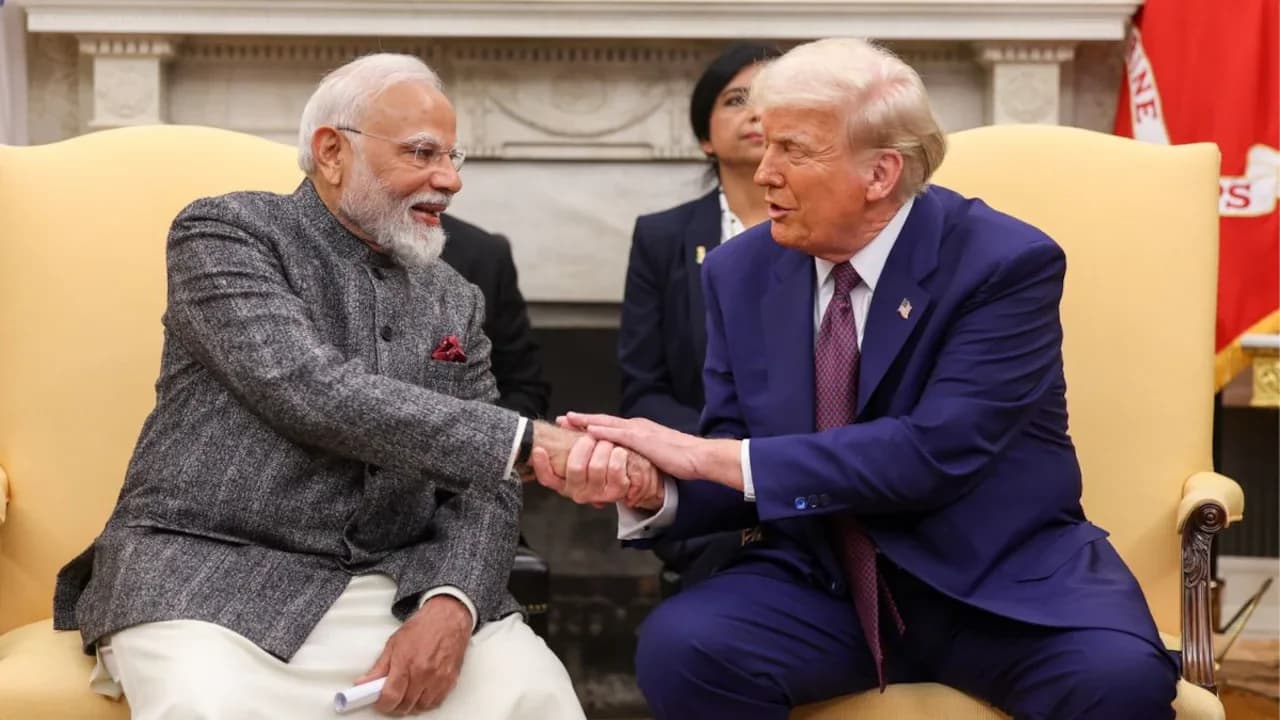
Despite India's inclusion on the drug transit list, the Trump administration has separately praised Prime Minister Narendra Modi's efforts to tackle illicit opium cultivation. As reported by the US State Department, this recognition highlights the ongoing efforts by the Indian government to address drug-related issues within the country. The distinction between India's inclusion on the transit list and the positive assessment of Modi's anti-opium initiatives demonstrates the complexity of drug trafficking dynamics and government responses across different categories of drug-related activities. The determination specifically welcomed Modi and the Indian government's efforts to address illicit opium poppy cultivation and strengthen supply-chain integrity, while acknowledging New Delhi's ongoing efforts to curb illicit opium cultivation and strengthen cooperation with Washington on drug policy. The US explicitly noted that India's inclusion on the list is accompanied by a specific acknowledgement of ongoing cooperation on counternarcotics issues.
The US has highlighted China's role as the world's largest producer of many precursor chemicals used to manufacture fentanyl, methamphetamine and other synthetic drugs. According to the presidential determination, Beijing needs to take more aggressive action, including scheduling additional chemical precursors and substances sought by the US. This designation reflects the US's concerns about China's contribution to the global synthetic drug crisis through its chemical manufacturing capabilities. The determination specifically called for China to take stronger action against the illicit production of these dangerous substances, emphasizing the importance of international cooperation in addressing synthetic drug trafficking. However, it is not among the four countries the US has separately designated as having failed demonstrably during the previous 12 months to make substantial counternarcotics efforts.
The US has separately identified four countries as having failed demonstrably to meet their international counternarcotics obligations over the previous 12 months: Afghanistan, Bolivia, Burma and Colombia. These countries received the more severe designation compared to India, China and Pakistan, which were included based on geographic and economic factors rather than demonstrated failure. The US also determined that assistance to Bolivia, Burma and Colombia is currently vital to its national interests. Under the determination, countries can be included because geographic, commercial and economic conditions facilitate the transit or production of drugs or precursor chemicals, even where governments have undertaken "robust and diligent" narcotics-control and law-enforcement measures.