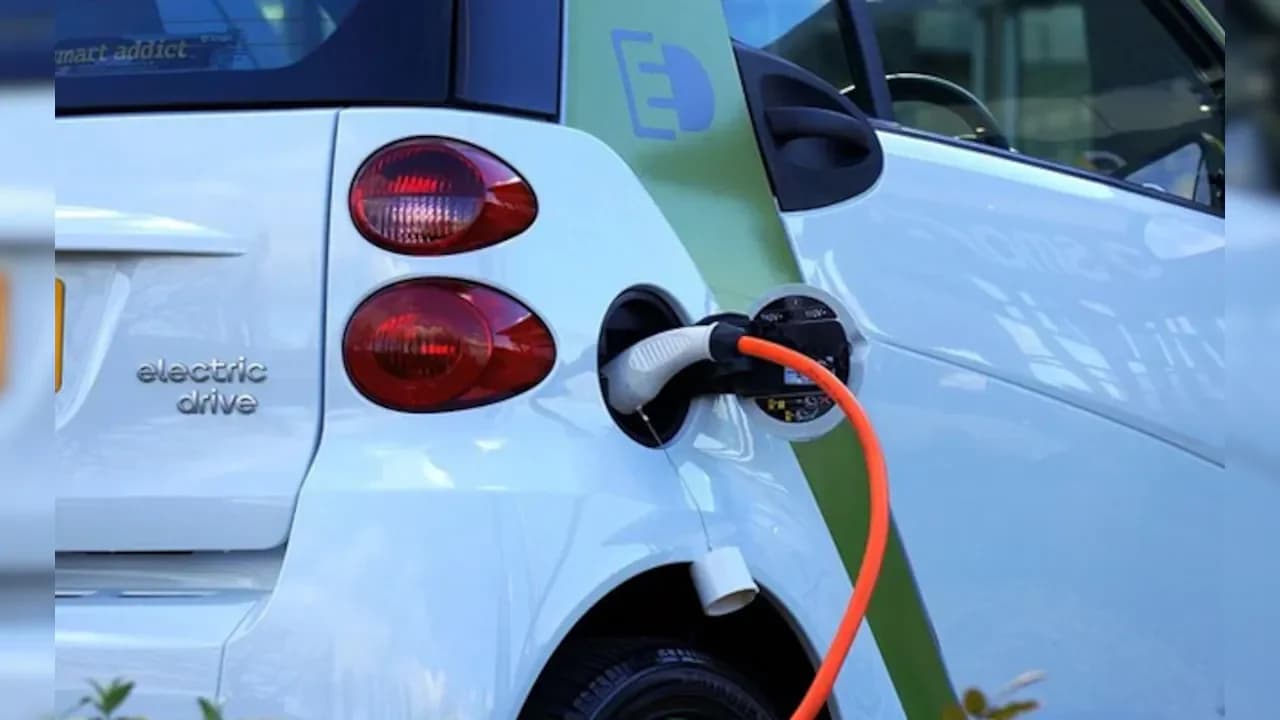
The Haryana Cabinet has approved new aggregator licensing rules mandating that all vehicles added to the fleets of cab aggregators, delivery service providers and e-commerce companies in NCR areas be powered by CNG, electric, battery-operated or other cleaner fuels from January 1, 2026. According to The Indian Express, Chief Minister Nayab Singh Saini approved these rules under the Haryana Motor Vehicles Rules, 1993, which align with guidelines issued by the Commission for Air Quality Management. The framework covers cab aggregators, delivery service providers, and e-commerce vehicles in NCR districts, including Gurgaon and Faridabad, with only CNG and electric three-wheeler auto-rickshaws allowed to be added to existing fleets in the region. A separate provision restricts future additions of three-wheeler auto-rickshaws in NCR fleets to only CNG or electric models, as reported by The Times of India.
The move is intended to accelerate clean mobility, reduce vehicular emissions and improve air quality in the NCR region. As reported by The Indian Express, the Commission for Air Quality Management had directed that from January 1, 2026, cab aggregators, delivery firms and e-commerce companies operating in the region would not be allowed to add new petrol- or diesel-powered vehicles to their fleets. The development comes amid Prime Minister Narendra Modi launching a national austerity push linked to rising crude oil prices and foreign exchange outflows caused by the West Asia conflict. The rules promote green vehicles, which are eco-friendly vehicles that produce less harmful environmental impact compared to vehicles running on petrol or diesel.
The approved rules make it mandatory for aggregators and delivery service providers to obtain licenses with comprehensive safety and operational requirements. According to The Times of India, operators must provide at least ₹5 lakh insurance for passengers, ₹5 lakh health cover for drivers, and term insurance of ₹10 lakh for each onboarded driver. The framework mandates the installation of vehicle location tracking devices, panic buttons, first-aid kits, and fire extinguishers where applicable in all vehicles. Additionally, operators must establish 24×7 control rooms and call centres for passenger assistance and grievance redressal. New provisions include refresher training programmes, grievance redressal mechanisms, and regulation of fares to ensure comprehensive safety standards.
To improve transparency, vehicle and driver details will be digitally authenticated through the VAHAN and SARATHI portals. Companies will also be required to maintain comprehensive digital records of onboarded drivers and vehicles. The Cabinet was informed that registration and licensing processes would be completed through the dedicated portal cleanmobility.haryanatransport.gov.in. The new framework covers driver and vehicle onboarding, minimum fare standards, a passenger grievance redressal system, refresher training for drivers, and cybersecurity requirements for aggregator apps. The state will verify driver and vehicle details through the VAHAN and SARATHI portals, and aggregators must maintain digital records of their fleets.
Ahead of the Cabinet meeting, Haryana Transport Minister Anil Vij said a proposal had been submitted seeking a 100 per cent tax exemption for electric vehicles in the state. According to The Indian Express, Vij stated that the proposal has been sent to provide 100 per cent tax exemption on electric vehicles in Haryana on the lines of Chandigarh and Delhi, with the objective of encouraging people to purchase electric vehicles. At present, Haryana offers a 20 per cent concession on registration fees for electric vehicles. Vij also stated that the government plans to procure 500 electric buses, which could significantly increase EV adoption in the state. The initiative covers Delhi and the nearby districts of Haryana, Uttar Pradesh, and Rajasthan that come under NCR. The decision follows CAQM guidelines issued in June last year, which had directed that no new petrol or diesel-powered vehicles be added to aggregator, delivery and e-commerce fleets in Delhi-NCR.