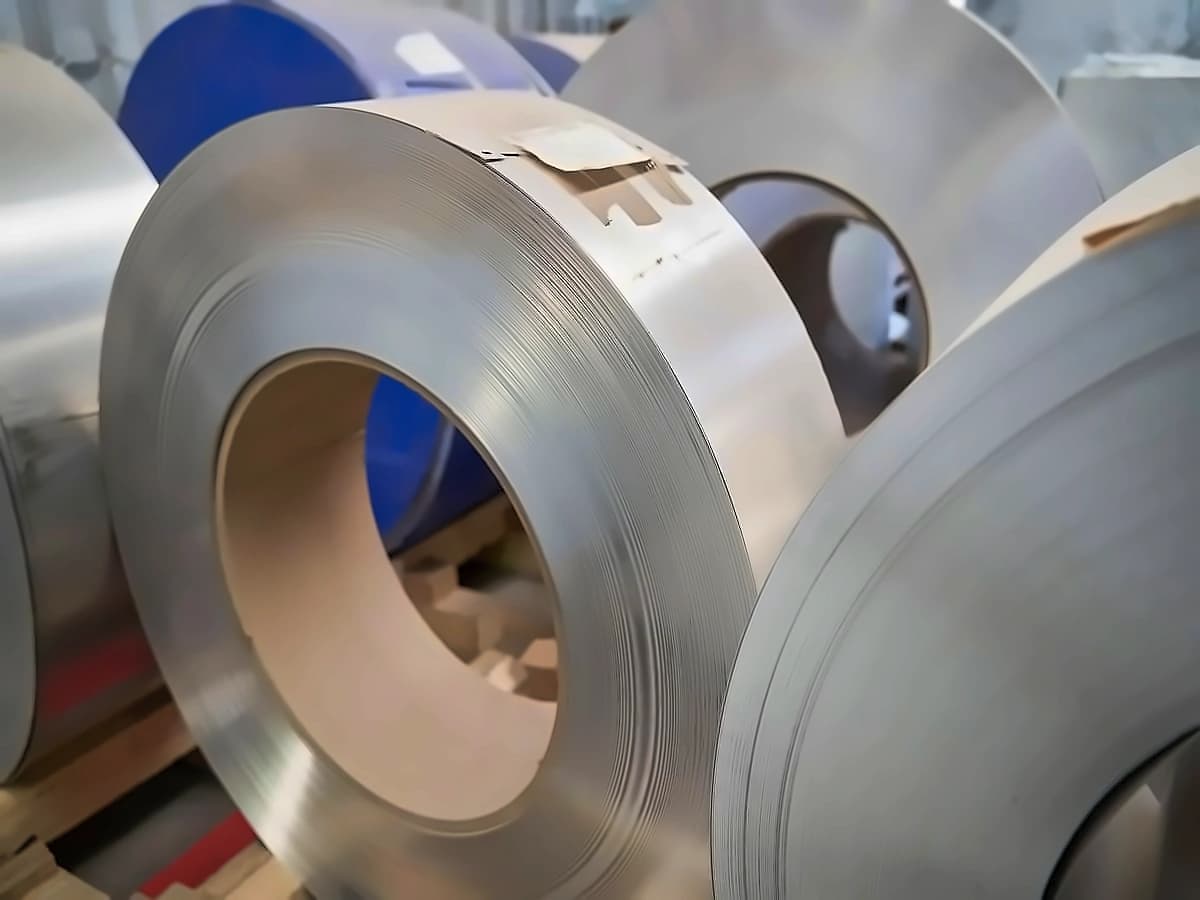
India exported approximately ₹57,000 crore worth of aluminium and aluminium products in 2025-26, according to the Global Trade Research Initiative (GTRI). However, the export composition reveals a significant structural issue - 61.4% of exports were aluminium metal in primary form, while only 38.6% consisted of finished products. This contrasts sharply with China's approach, where the country exported ₹3,56,000 crore worth of aluminium products in the same period, with 97.2% being value-added products and only 2.8% aluminium metal. The latest GTRI report reveals that India's aluminium exports worth $7 billion in FY26 were primarily primary aluminium metal, while the country imported $4.1 billion worth of finished aluminium products that compete directly with domestic manufacturers. As per GTRI, this inverted duty structure where manufacturers pay higher prices for raw materials while competing against lower-duty imports of finished goods has created significant distortions across India's aluminium value chain.
GTRI Founder Ajay Srivastava outlined comprehensive policy measures to address India's aluminium value chain distortions. The think tank recommends removing the 7.5% duty on unwrought aluminium to enable Indian manufacturers to access globally competitive prices. Additionally, GTRI suggests imposing a 20% export duty on aluminium metal to discourage primary aluminium exports and encourage domestic value addition. The organization also advocates for reviewing free trade agreement concessions that currently allow finished aluminium products to enter India at low or zero duty rates. GTRI has further proposed ensuring that duties on raw materials remain lower than those on finished products to correct the current inverted duty structure. The latest report emphasizes that more than 3,500 MSMEs in the downstream aluminium sector face elevated input costs because domestic producers price aluminium at global benchmark rates plus the equivalent of the import duty, with aluminium accounting for 60-80% of production costs in many industries.
Recent trade developments have added complexity to India's aluminium sector challenges. The United States has proposed a 12.5% tariff on Indian imports stemming from an investigation into forced labor import prohibitions, with Indian industries expressing concern viewing this as a tariff threat during ongoing trade negotiations. Additionally, India has extended anti-dumping duties on aluminium foil imports until December 15, 2026, impacting imports from China, Malaysia, Thailand, and Indonesia. The Ministry of Finance issued a notification amending previous customs regulations following requests from domestic companies concerned about unfair trade practices. These developments come as India and the US negotiate an interim trade deal, with the US Trade Representative proposing additional duties on 54 countries, including India, over alleged failure to restrict imports of goods produced with forced labor.
As reported by GTRI, India's aluminium sector is positioned to benefit significantly from the country's infrastructure and clean energy investments. The organization noted that aluminium is essential for power transmission, renewable energy, electric vehicles, railways, construction, packaging, aerospace, defence, and consumer products. India possesses abundant bauxite reserves, integrated refining and smelting capacity, and access to relatively low-cost power, positioning the country well for manufacturing growth. However, current tariff policies create distortions that encourage metal exports while inflating raw material costs for manufacturers. The report warns that India risks forfeiting opportunities for higher value addition, investment, exports and employment by shipping out raw aluminium metal and importing value-added products made from the same metal. As India increases investments in infrastructure, clean energy and advanced manufacturing, demand for aluminium products is expected to rise sharply in the coming years, making it crucial to leverage the country's natural advantages in the sector.
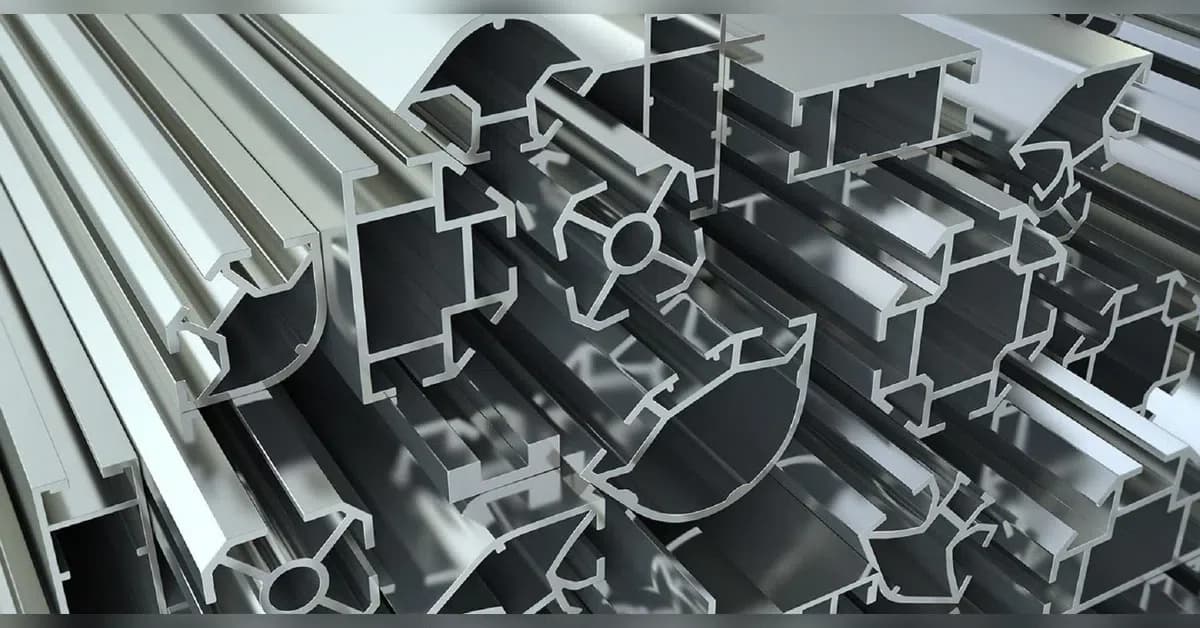
The policy distortion extends beyond private industry, with around one-fourth of India's annual aluminium consumption linked to government-funded sectors such as railways, power transmission, metro systems, renewable energy and defence. The import-parity pricing system raises costs of aluminium-intensive products by roughly 3%, increasing public expenditure on infrastructure projects. India imported about $10 billion worth of aluminium and aluminium products in FY26, of which finished products accounted for 41%. About a quarter of finished-product imports entered India at low or zero duties under free trade agreements, further intensifying pressure on domestic manufacturers. GTRI argues that India risks becoming a supplier of raw material while other countries capture the greater economic benefits from processing and manufacturing. The current policies encourage exports of primary aluminium while making it more difficult for domestic manufacturers to compete in global markets, limiting employment generation, investment opportunities and export competitiveness.