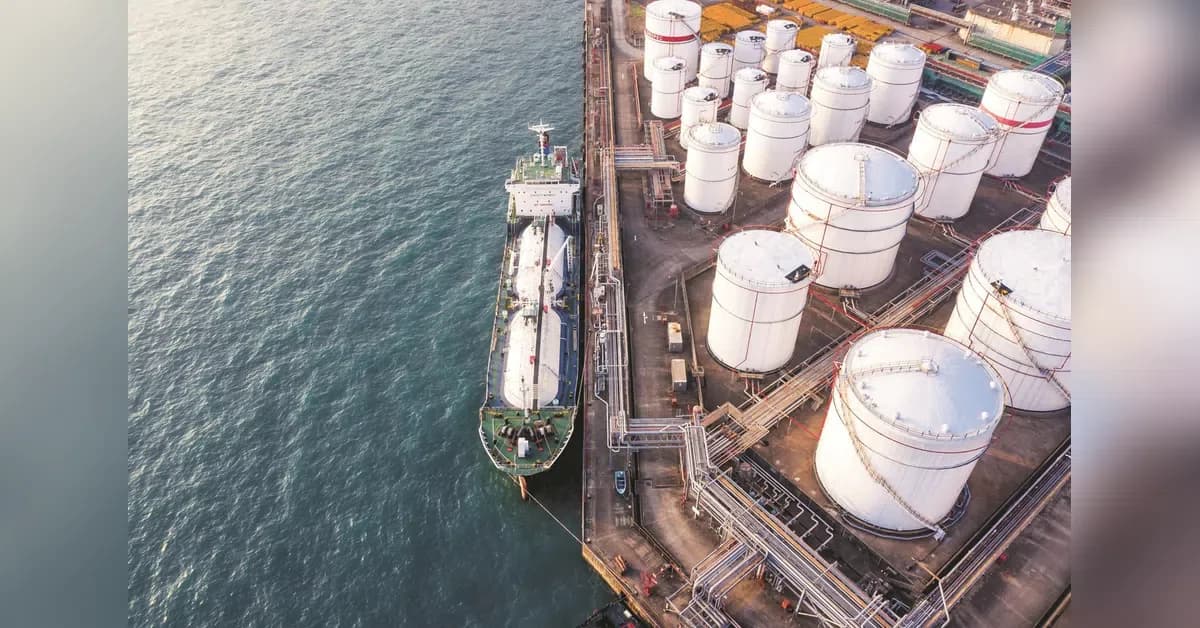
The government is likely to take a decision on extending import duty exemption on about 40 products beyond June 30, after analysing the evolving situation in West Asia and associated revenue implications. According to reports from Business Standard, officials indicated that associated revenue considerations will be factored in while deciding on whether the import duty exemption would be extended. A decision would be taken after analysing the evolving situation around West Asia and cargo movement via Strait of Hormuz. The government is balancing the necessity of supporting domestic industries with the mandate to meet its fiscal targets, having projected a customs revenue goal of ₹2.71 trillion for the current fiscal year, up from ₹2.64 trillion in the previous cycle.
To safeguard the domestic industry from supply chain disruptions, the government had implemented temporary and targeted relief by exempting import of critical petrochemical products from customs duty effective April 2. As reported by Business Standard, customs duty was cut to 'nil' across 40 different products, including Anhydrous Ammonia, Toluene, Styrene, Vinyl chloride monomer, and others. The duty exemption, which is valid till June 30, was intended to benefit sectors dependent on petrochemical feedstock and intermediates such as plastics, packaging, textiles, pharmaceuticals, chemicals, automotive components, and other manufacturing segments. By eliminating customs duties on these critical materials, the government aimed to stabilize industrial production during a period of global logistical uncertainty.
The goods on which customs duty exemption has been implemented include Methanol, Anhydrous ammonia, Toluene, Styrene, Dichloromethane (methylene chloride), Vinyl chloride monomer, Poly butadiene, Styrene butadiene and Unsaturated polyester resins. As reported by Business Standard, these products are critical for various manufacturing sectors that rely on petrochemical feedstock and intermediates. The exemption was designed to support a broad range of industries reliant on petrochemical feedstocks, including textiles, packaging, plastics, pharmaceuticals, chemicals, automotive components and other manufacturing sectors. Labour-intensive micro, small and medium enterprises (MSMEs), which often have limited ability to pass on higher costs, have been among the major beneficiaries.
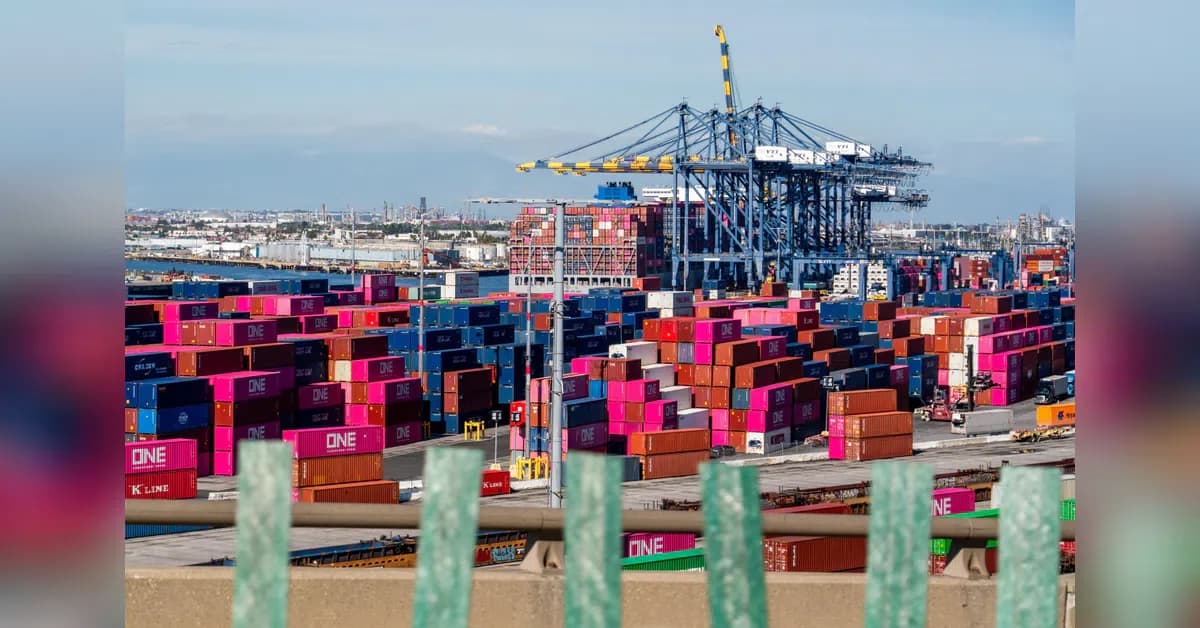
The government has set a customs revenue target of ₹2.71 trillion in the current fiscal, compared to ₹2.64 trillion in FY26. According to Business Standard, the war in West Asia and the effective blockade of the Strait of Hormuz has raised prices of crude oil and food, fertiliser imports. Also, supplies of raw materials have been impacted as movement of cargoes via the Strait has fallen significantly. However, the duty waiver has delivered significant benefits to downstream industries by lowering the landed cost of imported raw materials and intermediates such as polyethylene (PE), polypropylene (PP) and polyvinyl chloride (PVC). The reduction in import costs has contributed to softer polymer prices, with market assessments showing notable declines in LLDPE, LDPE and suspension-grade PVC prices since early April. Industry participants report that the exemption has improved supply availability, eased inflationary pressures and helped protect margins for manufacturers, particularly those operating in sectors with high raw material intensity or fixed-price contracts.