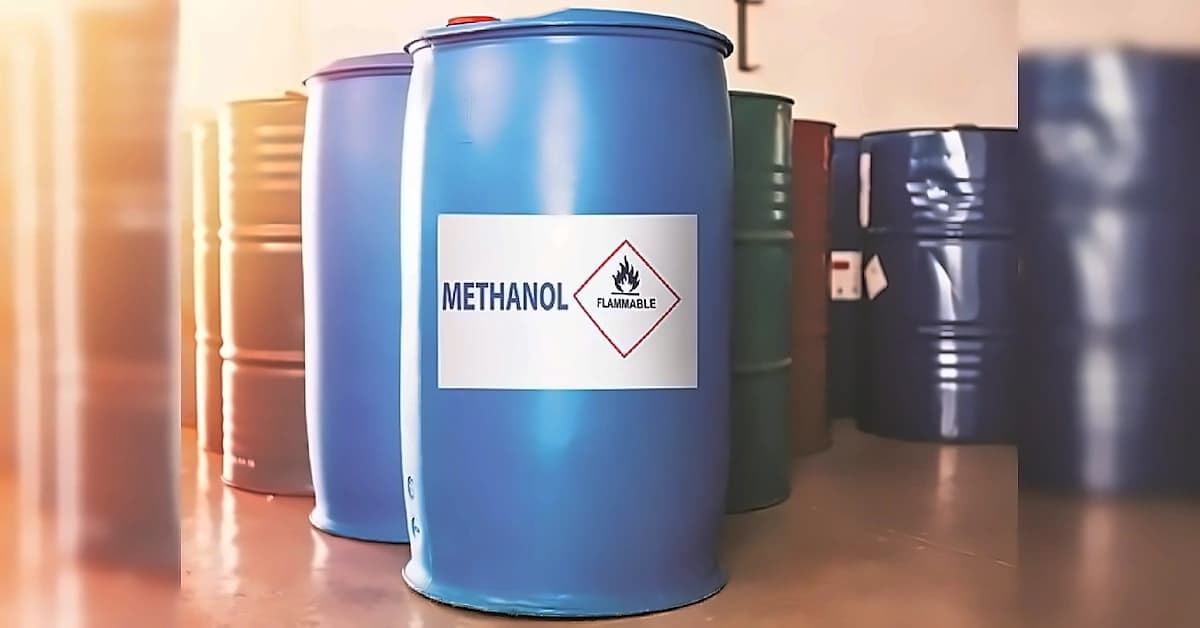
The government announced full customs duty exemption on critical petrochemical products until June 30, 2026, as reported by CNBC TV18 and UNI. According to the Finance Ministry, this decision has been taken as 'temporary and targeted relief' to ensure continued availability of critical petrochemical inputs, reduce cost pressures on downstream sectors and maintain supply stability in the country. The relief comes in response to the ongoing conflict in West Asia and consequent disruptions in global supply chains, with the government highlighting that escalating tensions in West Asia have disrupted global shipping routes and driven up crude oil prices, creating ripple effects across industrial supply chains. The move aims to cushion the domestic economy from global disruptions and stabilize supply chains while easing cost pressures on industries and consumers.
The exemption covers a wide range of petrochemical feedstock and intermediates including methanol, acetic acid, monoethylene glycol (MEG), purified terephthalic acid (PTA), polymers such as polyethene, polypropylene, PVC, and engineering plastics like ABS and polycarbonates, as reported by CNBC TV18. According to ABP Live, the exemption list includes key industrial chemicals such as methanol, anhydrous ammonia, toluene, styrene, dichloromethane (methylene chloride), vinyl chloride monomer, polybutadiene, styrene butadiene, and unsaturated polyester resins. The government has notified a detailed list of eligible products covering key chemicals and polymer categories widely used across industrial value chains, with these materials serving as the backbone for industries from fertilizers and pharmaceuticals to plastics and synthetic rubber.
According to the ministry statement reported by CNBC TV18, the move is expected to benefit multiple sectors dependent on petrochemical inputs, including plastics, packaging, textiles, pharmaceuticals, automotive components and other manufacturing segments. As per ABP Live and Republic World, the exemption covers feedstock and intermediates used in plastics, textiles, pharmaceuticals, automotive manufacturing, packaging, and chemicals industries—sectors heavily reliant on imported petrochemical inputs. PVC and polymer processors such as Supreme Industries, Finolex Industries, Prince Pipes and Astral will see direct cost savings, as these companies make pipes, cables, sheets and plastic products where PVC is a key input. Paint companies like Asian Paints, Berger Paints, Kansai Nerolac and AkzoNobel India will also benefit, as they use solvents and chemical derivatives in large quantities. Adhesive makers, especially Pidilite Industries, may gain as chemicals like methanol and acetic acid are widely used in glue and resin production. Specialty chemical companies such as SRF, Aarti Industries, Deepak Nitrite, Atul Ltd, Vinati Organics and Navin Fluorine may benefit indirectly, as these firms use imported intermediates in production.

The step comes amid heightened geopolitical tensions in West Asia that have disrupted global trade flows and pushed up input costs for several industries reliant on imported petrochemical derivatives, as reported by CNBC TV18 and UNI. According to ABP Live, India's move comes as global crude oil prices have surged sharply following military escalations involving the United States, Israel, and Iran, with the conflict heightening concerns over maritime trade routes and energy supplies where India remains significantly import-dependent. To mitigate the impact on consumers, the government had already reduced excise duty on petrol and diesel by ₹10 per litre last week, with petrol duty now standing at ₹3 per litre, while diesel has been exempted. Additionally, export duties have been imposed on diesel and aviation turbine fuel (ATF) to ensure sufficient domestic availability. The government has indicated that the measure is temporary and will remain in place until the end of June 2026, after which the situation will be reviewed based on global market conditions, with officials emphasising that the move is part of a broader strategy to safeguard domestic manufacturing and ensure resilience in the face of external economic shocks.