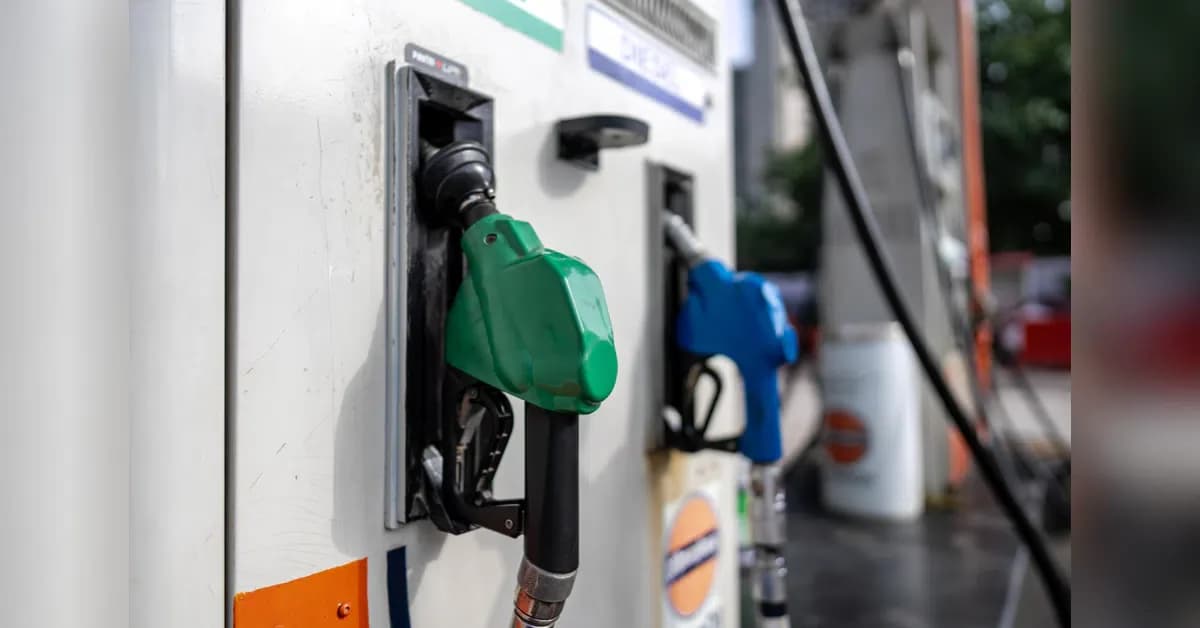
Brent crude fell to $80 per barrel on Tuesday, marking a three-week low amid renewed optimism over the reopening of the Strait of Hormuz. According to The Times of India, the price decline represents a nearly 5% drop in a single day as global markets responded to expectations of easing supply disruptions. The latest data from the PPAC website shows the Indian basket crude oil price at $88.12 per barrel, reflecting the continued volatility in global energy markets. This latest price movement comes after Brent crude had previously peaked at $138.2 per barrel in April 2026, demonstrating the ongoing uncertainty in international oil markets.
The government will continue adopting fiscal and administrative measures to mitigate any future volatility in fuel prices amid the ongoing Middle East conflict, according to Minister of State for Finance Pankaj Chaudhary. Speaking in a written reply to the Rajya Sabha, Chaudhary stated that the government will maintain fiscal sustainability while strengthening energy security and adhering to the fiscal consolidation path. The move comes after sharp swings in crude oil prices due to geopolitical tensions in West Asia, which have increased pressure on oil marketing companies (OMCs), inflation and government finances. As reported by The Times of India, Chaudhary emphasized that despite severe disruptions in global energy markets, the measures taken by the government helped cushion the impact on consumers and the domestic economy. The Centre will continue to deploy fiscal and administrative measures to shield consumers and the economy from future fuel price shocks while remaining committed to its fiscal consolidation roadmap.
The government's strategy comes after cutting special additional excise duty on petrol and diesel by ₹10 per litre in March following the West Asia conflict that led to crude oil price volatility. As reported by Moneycontrol, this duty cut resulted in a revenue loss of around ₹1.23 lakh crore for the government in the current financial year. Following the onset of war in West Asia on February 28, 2026, Brent crude oil prices jumped sharply, touching a near four-year high of $122.53 in April. In March, the government lowered excise duty on petrol to ₹3 per litre from ₹13 per litre and diesel to zero from ₹10 per litre to help oil-marketing companies absorb the impact of the jump in Brent crude oil prices. Chaudhary explained that the excise duty reduction partly offset under-recoveries being absorbed by public sector oil marketing companies, enabling them to continue fuel supply without disruption. Since the beginning of the West Asia conflict, the retail prices of petrol and diesel have been increased marginally by the PSU OMCs despite sharp increases in international crude oil prices, according to the ministry.
The government's approach involves accommodating such measures within available budgetary space by closely monitoring revenue and expenditure trends, reprioritising expenditure, and taking appropriate fiscal measures as warranted by evolving economic conditions. According to Chaudhary's statement, this enables the government to respond to unforeseen shocks such as elevated international crude oil prices while continuing to meet budgetary commitments and support macroeconomic stability. Earlier this year, the government provided support of around ₹1.23 lakh crore to OMCs by allowing them to delay the pass-through of higher crude oil prices to retail consumers. However, officials have indicated that such large fiscal support cannot continue indefinitely, making a more sustainable policy framework necessary. The Centre intends to use a mix of targeted tax changes, calibrated excise duty adjustments and administrative interventions instead of relying on large-scale subsidies. As reported by Moneycontrol, the government's strategy is to accommodate such measures within the available budgetary space by closely monitoring revenue and expenditure trends, reprioritising expenditure, and taking appropriate fiscal measures as warranted by evolving economic conditions.
The government's measures have proven effective in controlling inflation, with average CPI inflation at 3.9 per cent during April-June 2026, remaining below the RBI's inflation target of 4 +/-2 per cent. As reported by Moneycontrol, this demonstrates the success of the government's strategy in protecting consumers from the impact of elevated international crude oil prices. The impact of the increase in domestic retail prices of petrol and diesel on inflation was relatively contained, with the government's intervention helping to absorb the upward pressure from global crude price increases. Brent crude oil prices peaked at USD 138.2 per barrel in April 2026, exerting upward pressure on global energy prices and domestic producer prices, but the government's intervention helped contain the impact on consumer prices. The ministry noted that moreover, the impact on consumer prices remained relatively contained, with average CPI inflation at 3.9 per cent during April–June 2026, below the RBI's inflation target of 4 plus, minus 2 per cent.
Beyond fiscal measures, the government will continue efforts to strengthen domestic revenue mobilisation and enhance energy security through diversification of crude oil import sources and expansion of strategic petroleum reserves. As reported by Moneycontrol, these initiatives aim to reduce the economy's vulnerability to external energy shocks while supporting sustainable and resilient economic growth. The strategy also includes promoting alternative and cleaner fuels, and improving energy efficiency across various sectors. India imports nearly 85% of its crude oil requirements, making it highly sensitive to fluctuations in international energy markets. The proposed policy framework reflects the government's effort to balance consumer interests with long-term fiscal stability, with the objective to cushion consumers from sudden fuel price spikes without placing excessive strain on the government's finances. Meanwhile, the government has increased its purchases of Russian crude at discount prices in July, which accounted for over 50 per cent of the country's oil imports during the month. This move is part of the diversification of imports away from the Gulf following the closure of the Strait of Hormuz.