The Centre has significantly tightened domestic manufacturing requirements for electric buses and trucks under the PM E-DRIVE scheme, mandating that key traction motor and controller components be manufactured in India from April 1, 2027. According to reports from ANI, the Ministry of Heavy Industries issued two notifications dated September 3 to amend the Phased Manufacturing Programme (PMP) for M2/M3 e-buses and N2/N3 e-trucks under the PM Electric Drive Revolution in Innovative Vehicle Enhancement (PM E-DRIVE) scheme. The changes will take effect from their publication in the Official Gazette, marking a significant escalation in the government's push for indigenous electric vehicle technology development.
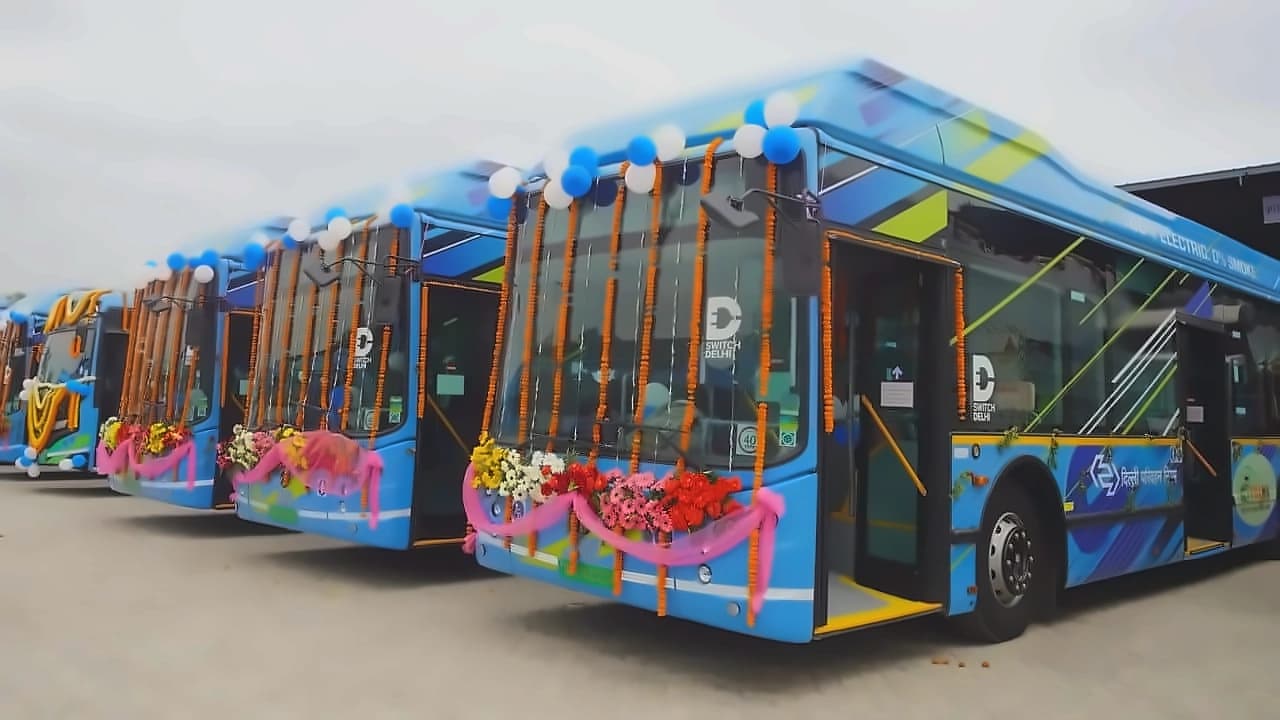
For e-buses, the revised PMP requires domestic manufacturing of traction motors, including at least rotor and stator assembly, bearing, enclosure, connector and cable fitment from September 1. As reported by ANI, from April 1, 2027, the requirement will be expanded to include magnet and shaft fitment as part of domestic manufacturing. The government has also prescribed deeper localisation for traction motor controllers, including inverters, with assembly of electronic components, semiconductors and connectors on the printed circuit board, along with high-voltage connector, cable, heatsink and enclosure fitment and software or firmware flashing. According to industry experts, bus electrification in city transport has already crossed 9% adoption, with the tipping point for city buses likely arriving within two years as adoption crosses 15%.
Similar requirements have been extended to N2 and N3 category e-trucks. According to the notifications, the revised rules require domestic manufacturing of traction motors from April 2027, covering magnet, rotor, stator, shaft, bearing, enclosure, connector and cable fitment. For integrated traction motor and transmission systems, the localisation requirements will additionally cover transmission and transmission-controller fitment. The government will also require domestic manufacturing of traction motor controllers, including inverters, with assembly of electronic components, semiconductors and connectors on PCBs from April 2027. Industry observers note that for trucks, the tipping point is closer to five years away, with the transition expected to be led by new generation players building electric vehicles from the ground up rather than traditional incumbents.
Niti Aayog member Rajiv Gauba identified high financing costs, fragmented logistics operations and lack of coordinated corridor planning as key constraints holding back e-truck adoption. According to Business Standard, only around 800 heavy-duty e-trucks were sold in 2025, with heavy trucks representing only 3-4% of the vehicle fleet but contributing to over a third of transport-sector carbon emissions. Gauba called for blended finance mechanisms, leasing models and stronger data systems to increase penetration, as these will bring down the cost of capital for electric vehicles. The Niti member emphasized the need for strategic electrification of key freight corridors, given that 70% of India's freight moves by road. In a report launched by Gauba last year, the central policy think tank had recommended that the government move beyond incentives and go for soft mandates to increase electric vehicle adoption in India.