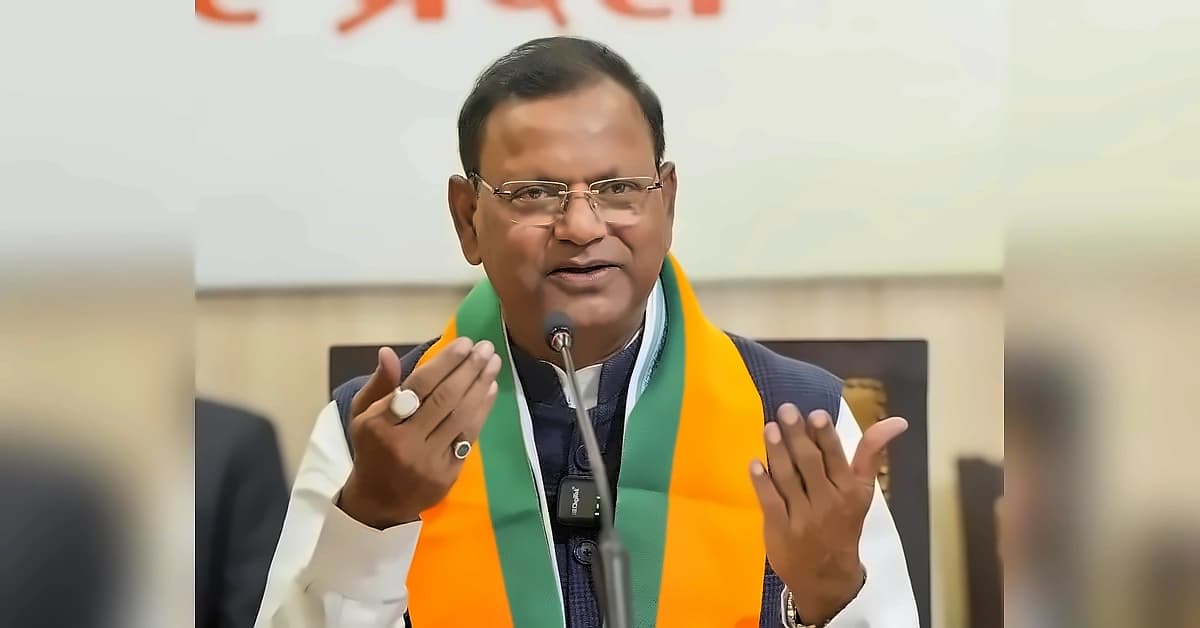
The government has no proposal for a one-time waiver of loans of small and marginal farmers, Parliament was informed on Monday. According to reports from Business Standard, Minister of State for Finance Pankaj Chaudhary stated in a written reply to the Lok Sabha that no proposal for one-time waiver of loans of small and marginal farmers is currently under consideration with the Union government. This clarification comes in response to questions about potential government intervention in farmer loan distress situations, as the government maintains its stance against blanket loan relief measures.
The Maharashtra government has released the initial beneficiary list for the Punyashlok Ahilyadevi Holkar Shetkari Karjmukti Yojana 2026 on July 22, 2026, marking the beginning of the state's debt relief initiative. The scheme offers up to ₹2 lakh relief to approximately 56 lakh farmer families with a total budget allocation of ₹40,980 crore. The first phase covers 533 to 553 farmers, amounting to ₹2.99 crore, spread across 7 districts including Thane, Amravati, Latur, Nagpur, Pune, and Satara. The selection process is facilitated through District Central Cooperative Banks, with future lists contingent on income-tax clearance data.
To provide relief to borrowers in distress, the Reserve Bank of India has issued Master Direction on Resolution of Stressed Assets, 2025 dated November 28, 2025 (updated as on July 1, 2026). As reported by Business Standard, this directive provides lenders the discretion to undertake financial restructuring of borrowers under stress, based on their Board approved policies and regulatory guidelines. The framework allows banks to restructure loans for distressed borrowers while maintaining regulatory compliance and institutional oversight.
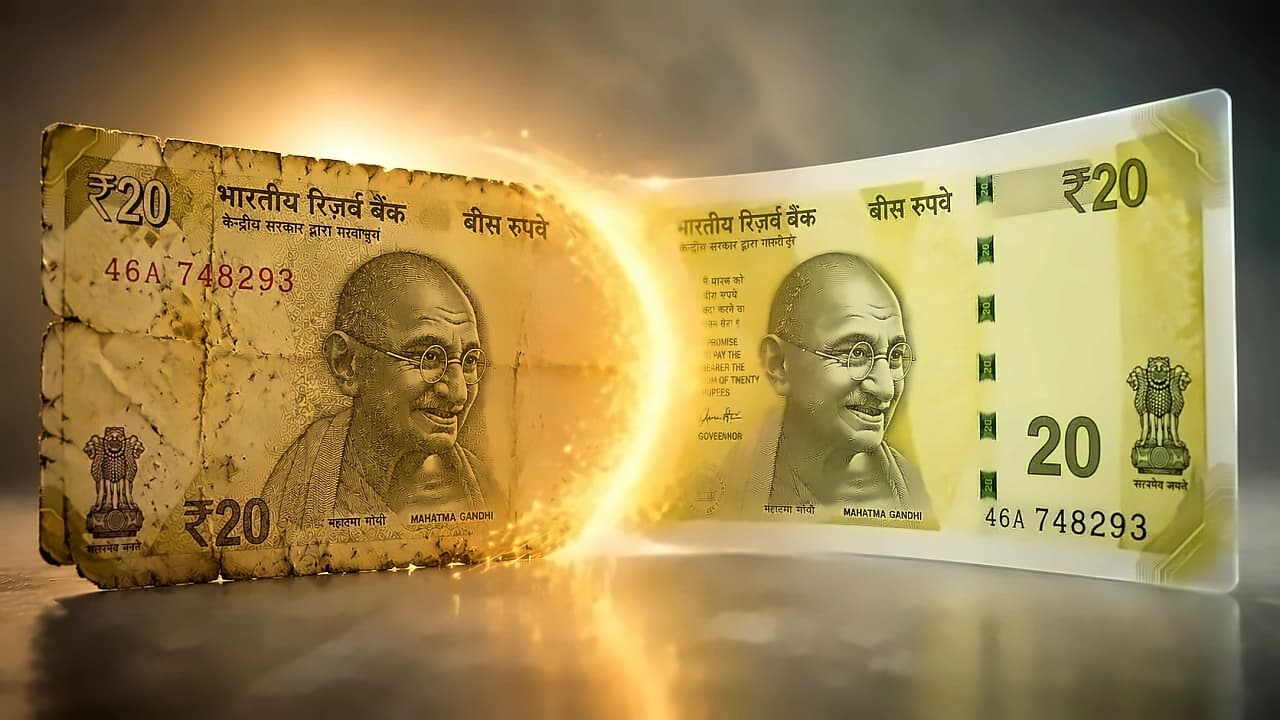
The government has approved the RBI's proposal for introduction of one billion pieces each of ₹10 and ₹20 polymer banknotes for field trials and regular issuance after successful completion. According to Business Standard, the proposal was sent to the government in terms of Section 25 of the Reserve Bank of India Act, 1934, and has been approved by the government. The RBI informed that as per international studies, the life span of polymer banknotes is significantly higher than that of paper banknotes, making them more durable for long-term circulation.
As of July 21, 2026, 5,17,657 guarantees have been issued to beneficiary enterprises under the Emergency Credit Line Guarantee Scheme (ECLGS) 5.0. According to Business Standard, the amount of guarantee issued stands at ₹1,90,523.78 crore. The ECLGS 5.0 scheme was launched on May 8, 2026, indicating strong uptake of the credit guarantee facility for enterprise support during the current financial year.
The introduction of polymer banknotes is currently in a preliminary phase and the impact on digital payments, if any, could be ascertained only after regular issuance of these notes. As reported by Business Standard, Minister Chaudhary emphasized that banknotes and digital payment systems are complementary payment tools available to the public. The RBI has clarified that polymer banknotes are proposed to be issued along with paper substrate-based banknotes and that there is no proposal to replace paper currency with polymer substrate-based banknotes.