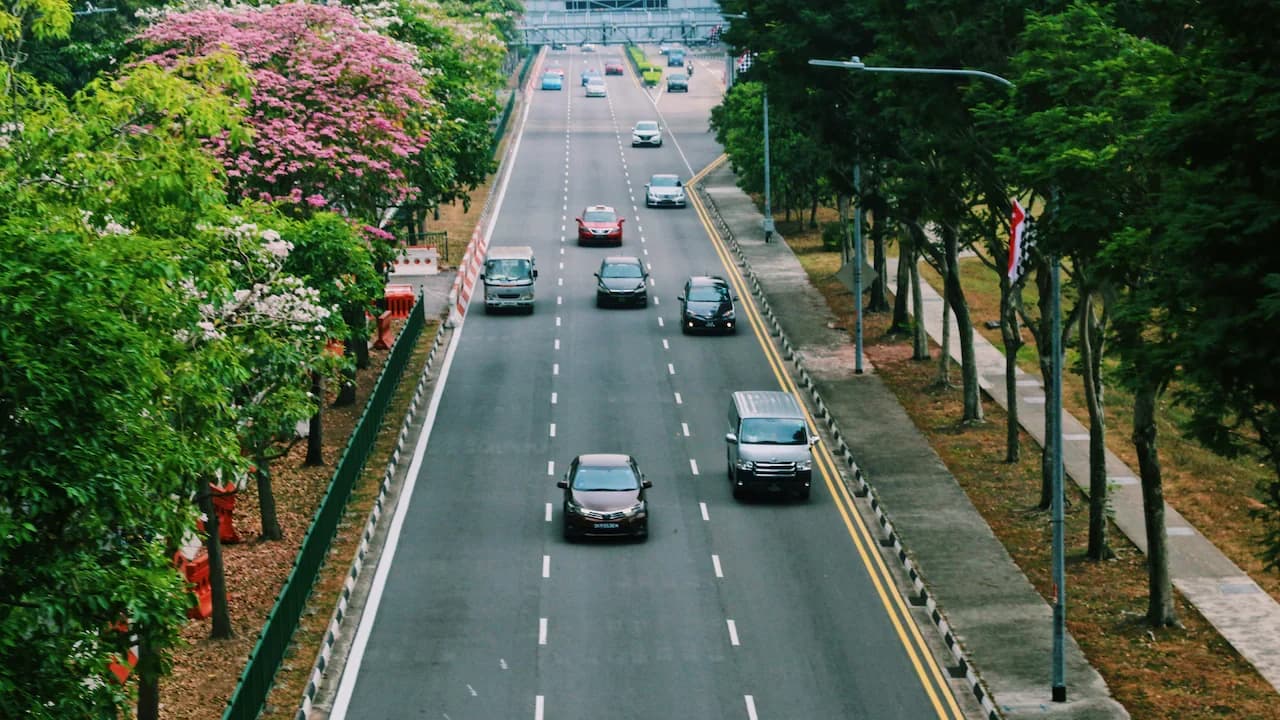
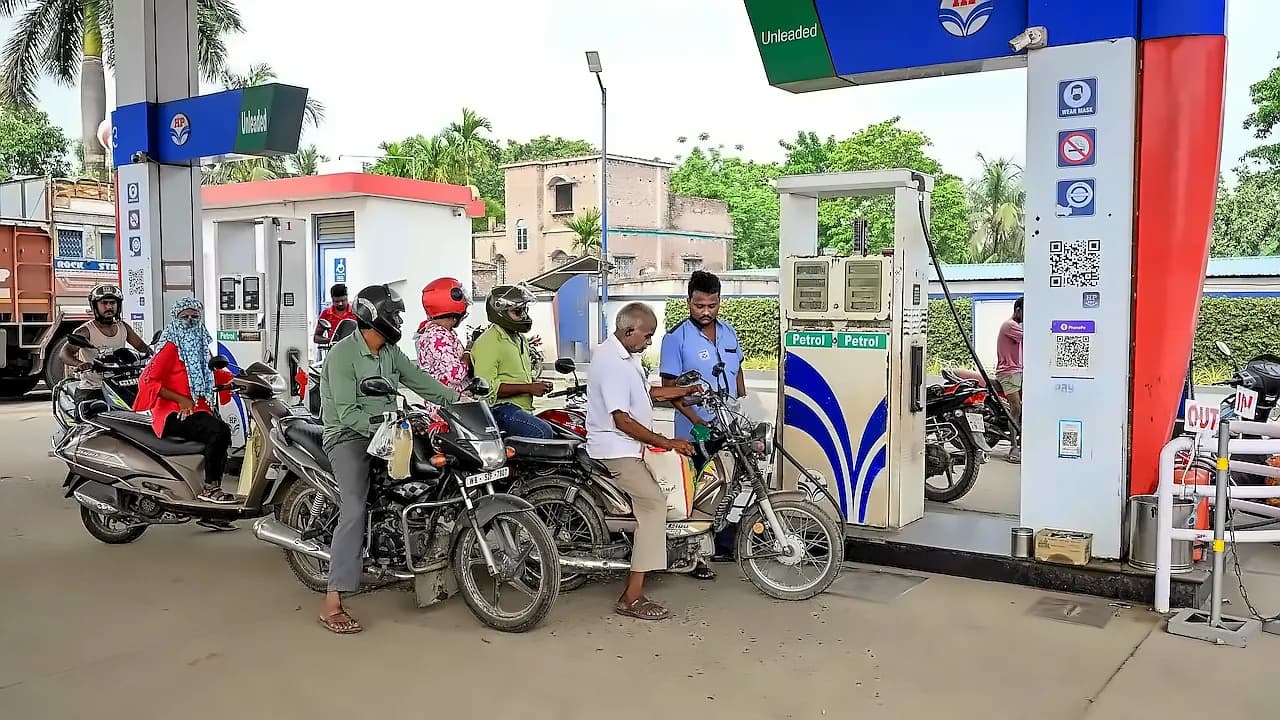
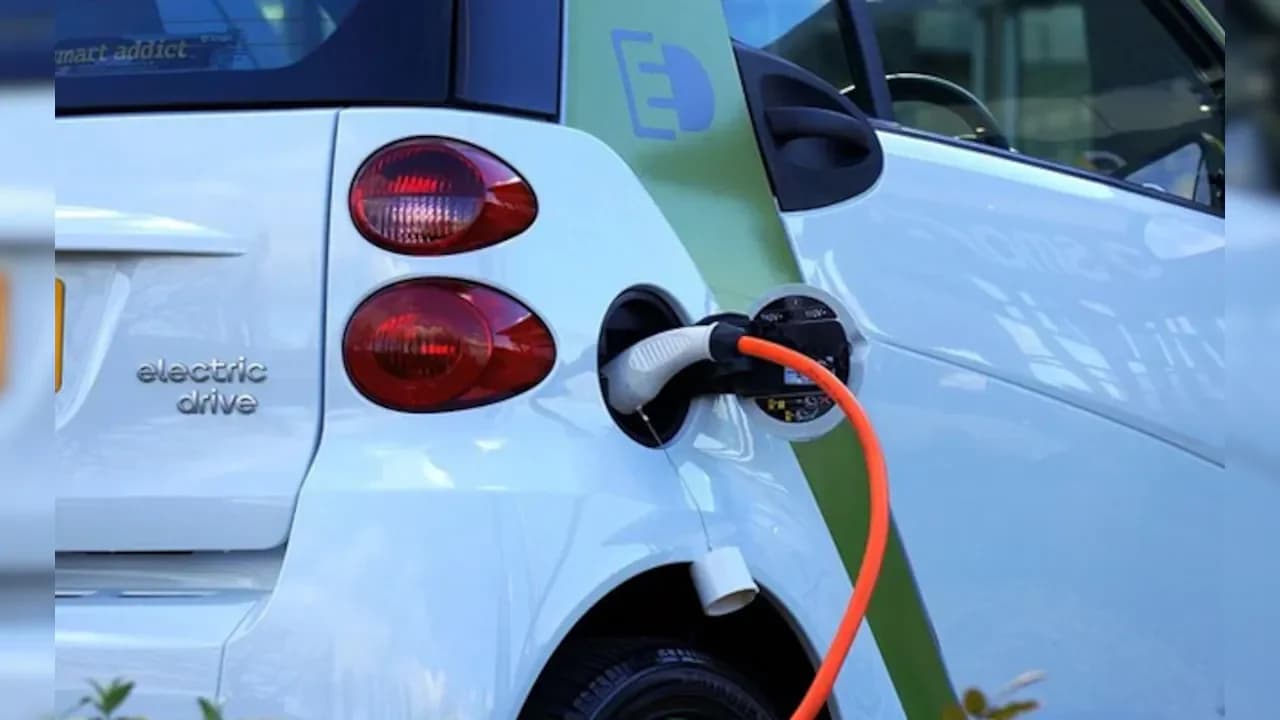
The Centre has proposed to reward a range of fuel-saving technologies under the draft CAFE-III regulations, offering manufacturers an alternative path to meet India's fuel efficiency norms beyond electrification. According to The Times of India, the draft norms released by the power ministry for stakeholder consultation allow manufacturers to claim compliance benefits for deploying technologies such as automatic start-stop systems, tyre pressure monitoring systems (TPMS), regenerative braking, six-speed or higher transmissions, high-efficiency alternators, LED exterior lighting, advanced glazing, electric water pumps and solar-reflective paint. Each approved technology will earn a benefit equivalent to 1 gram of CO₂ per kilometre, or 0.0422 litres per 100 km of fuel consumption under the Modified Indian Driving Cycle (MIDC). Manufacturers can stack these benefits across multiple technologies, although the overall cap has been set at 9 g CO₂/km, equivalent to 0.3795 litres/100 km. The draft also proposes discounts for energy-efficient automotive technologies that are technically proven, certified, and adopted globally in major automobile markets, with eligible technologies including start-stop systems, regenerative braking, tyre-pressure monitoring systems, efficient alternators, LED lighting, advanced glazing, solar-reflective paint and high-efficiency air-conditioning systems.
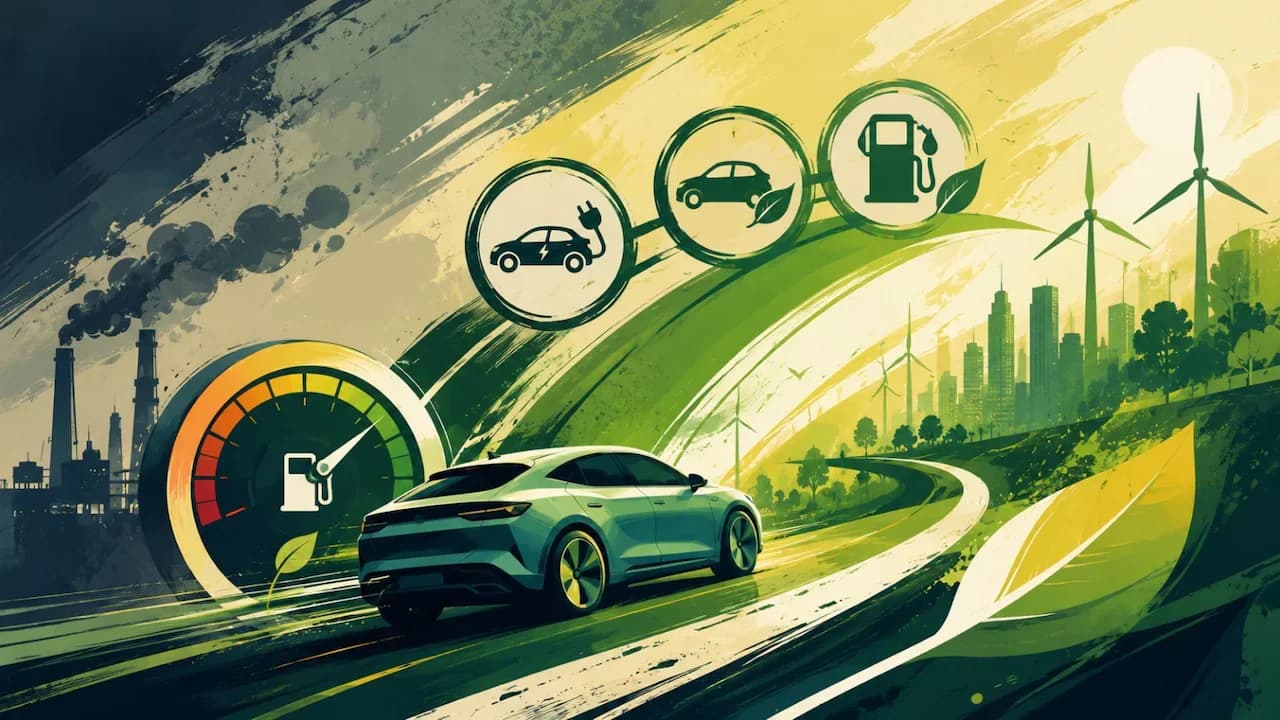
The Ministry of Power has released the draft CAFE-III norms for passenger vehicles for public consultation, marking a significant step toward stricter fuel efficiency standards. According to the latest Ministry release, the draft rules will be applicable on cars sold in India from 2027-28 to 2031-32 covering M1 category vehicles, which includes passenger cars carrying up to eight people besides the driver, including all hatchbacks, sedans and SUVs sold for personal use. The norms are scheduled to roll out from April 1, 2027 (FY28) for a five-year period, with CAFE-II norms likely to end on March 31, 2027. The scope marks a narrowing from earlier drafts, which had also floated a separate CAFE-IV track for FY32-37, with that track appearing to have been dropped, focusing solely on four-wheeler passenger cars. The draft will remain open for public comments for 21 days before being finalised, as reported by ETAuto.
The new framework introduces a two-phase compliance checking system - first three years, then two years - with fuel efficiency targets becoming stricter every year until 2031-32. As reported by sources familiar with the development, the norms reward cleaner, more fuel-efficient vehicles and offer carbon neutrality benefits for ethanol, biofuels and CBG. The system includes super credits for EVs, hybrids and flex-fuel vehicles, along with a credit-debit system for automakers to meet targets. Compliance credits are priced at ₹2,500 each, rising by ₹500 annually, with unused credits expiring after the compliance period. A major change is the introduction of a compliance credit market, where individual manufacturers may exchange or trade credits with other manufacturers for mutual agreement. Manufacturers will also be able to offset shortfalls by purchasing credits from the Bureau of Energy Efficiency, with prices rising from ₹2,500 per gram of CO₂ per kilometre in FY2028 to ₹4,500 by FY2032. The proposed target fuel consumption is tightened from 3.996 litres per 100 km (94.76 gCO₂/km) in 2027-28 to 3.327 litres per 100 km (78.90 gCO₂/km) by 2031-32.
The proposal gives manufacturers nearly two years before the new regime takes effect, providing time for vehicle testing and certification changes. According to Mint, companies with a larger share of electric or hydrogen-powered vehicles may find it easier to meet fleet-average targets because of the super-credit system, while reduced incentives for plug-in hybrids and strong hybrids could influence product strategies. Manufacturers that sell larger SUVs or premium vehicles may need to improve fuel efficiency across their portfolio or increase sales of lower-emission models to meet fleet averages. Vehicle prices are expected to increase gradually as automakers add efficiency technologies to meet norms, with ratings firm Icra noting that "OEMs add efficiency technologies to meet norms, increasing vehicle cost and retail prices." The strict targets may also force carmakers to discontinue some traditional diesel vehicles whose efficiency could be tough to improve. From Maruti to Mercedes, expect more carmakers to bring clean fuel technologies at a rapid pace over the next few years.
There are strict penalties in place for non-compliance, with ₹25,000-50,000 fines per non-compliant vehicle sold and an additional flat ₹10 lakh penalty. To provide flexibility, the government has given some leniency through gradual tightening of targets, counting each clean fuel vehicle more than once through 'super credits', and the likely option of credit trades with peers or the regulator if falling short of targets. The biggest change in CAFE-III is the shift from the Modified Indian Driving Cycle (MIDC) to the Worldwide Harmonised Light Vehicles Test Procedure (WLTP) for type approval from March 31, 2027. As reported by Business Standard, WLTP is considered closer to real-world driving conditions and is already used in several global markets. India also plans similar CAFE-like norms for two-wheelers, which may force motorcycle and scooter makers to focus on clean technologies, with sector leader Hero MotoCorp already flagging these norms as a risk due to upgrade costs that could force price hikes in the price-sensitive segment.