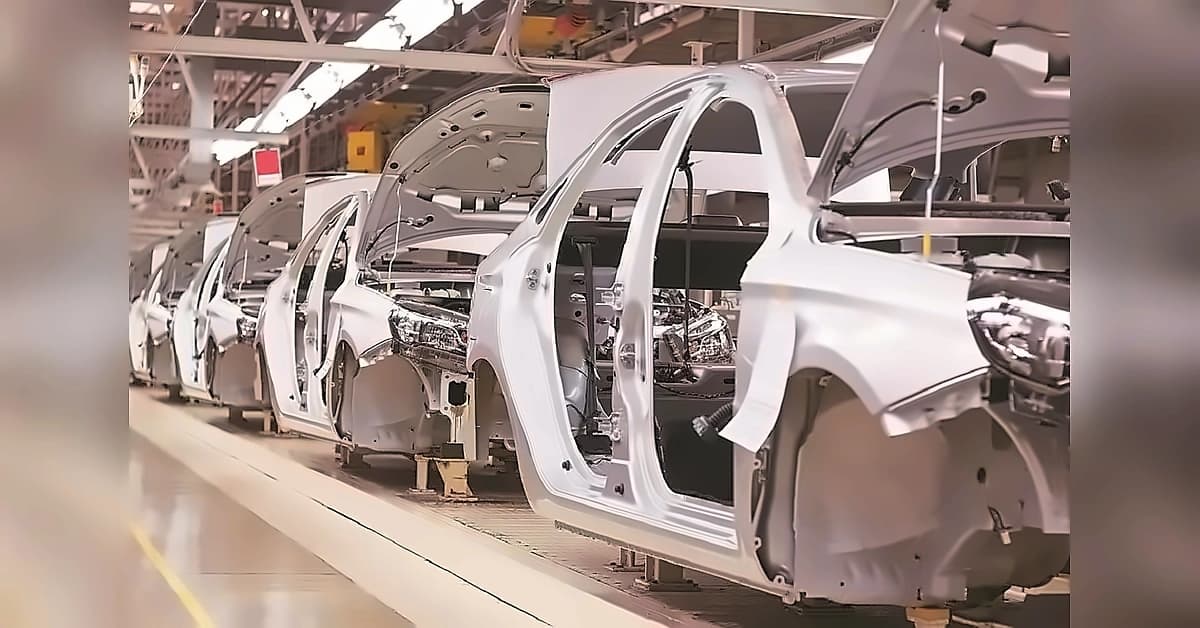
The Union heavy industries ministry held a comprehensive meeting on Wednesday with electric bus and truck makers, fleet operators, and banks to identify challenges in rolling out these vehicles in the private sector. According to the ministry statement, the consultation was designed to understand operational realities, encourage faster adoption of electric buses and trucks, and strengthen collaboration between the government and private stakeholders. Senior representatives from public and private sector banks including SBI, Punjab National Bank, Canara Bank, Central Bank of India and HDFC, Sidbi, along with bus and truck operators and associations such as the All India Motor Transport Congress (AIMTC) and South India Motor Transport Association were part of the deliberations. The initiative is still under discussion, with consultations likely to be held with the Prime Minister's Office and industry stakeholders in the coming weeks.
Heavy industries minister H.D. Kumaraswamy emphasized that electric buses are set to become the backbone of passenger transport in India, while electric trucks will transform sustainable logistics and freight movement. As reported by Mint, experts note that accelerating the adoption of electric public and freight transport represents the next major phase of India's clean mobility transition. However, Shyamasis Das, fellow at the Centre for Social and Economic Progress, highlighted that electric commercial vehicles run on very large batteries requiring rapid charging, effectively putting pressure on the power grid. The ministry is working on a new scheme to create better credit opportunities for private sector e-bus and e-truck operators, with the scheme expected to be rolled out in the next 6-12 months.
Key support mechanisms under consideration include interest subvention benefits of up to ₹15 lakh per vehicle over its lifetime, with support likely to taper gradually. According to Bloomberg News, authorities are also evaluating a partial credit guarantee mechanism to encourage banks and lenders to finance electric commercial vehicles for private operators. E-trucks and e-buses are 2-2.5x more expensive than their diesel counterparts, making financing a significant barrier. The government's flagship electric vehicle programmes—including FAME, PM E-Drive, and PLI-Auto—have offered incentives aimed at lowering the upfront cost of electric buses, with the PM E-Drive scheme earmarking ₹500 crore from its ₹10,900-crore outlay for electric trucks. However, these incentives for electric buses were limited to government-operated fleets.
The private sector assumes critical importance as it operates about 90% of India's two million buses, with only about 5% being government operated, according to estimates cited in recent discussions. India currently imports nearly $160 billion worth of fuel annually, with approximately 55% linked to mobility and transportation. In FY26, electric bus penetration is estimated at around 4.71%, while electric truck penetration remains as low as 0.25%. The proposed $1 billion+ incentive programme is expected to run over 10 years and would primarily target privately owned commercial vehicles, especially inter-city bus operators, which account for a significant share of diesel consumption. With the right policy support, innovative financing models and rapid charging infrastructure development, these figures can realistically move into double digits over the coming years.