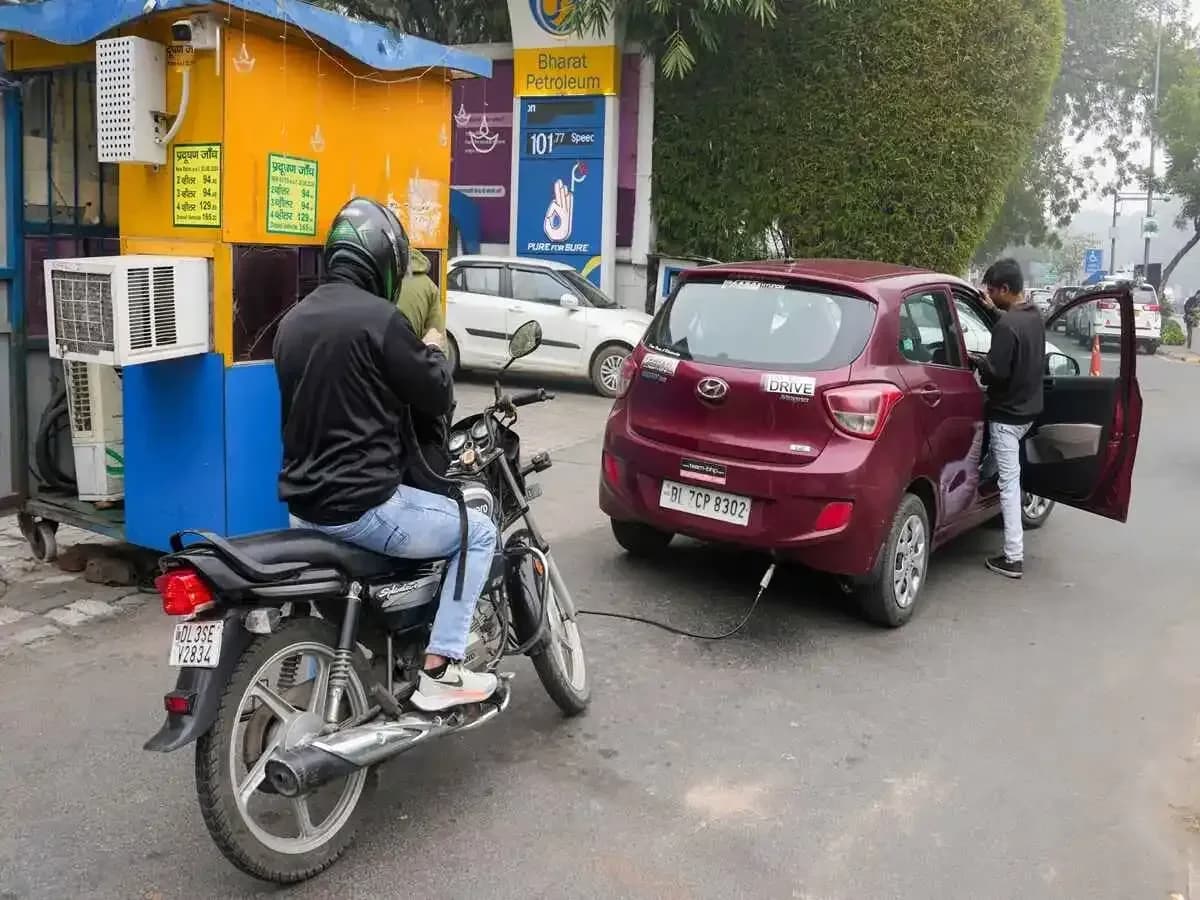
The Government is working on a proposal to extend the validity of Pollution Under Control Certificates (PUCC) from the existing 1 year to 3 years for new BS-6 vehicles, according to NDTV citing government sources. Under this proposal, private owners of new BS-6 vehicles will have to renew their PUCC only twice in the first 6 years. The change is intended to reduce the burden on owners given that BS-VI cars are far cleaner than their predecessors. As per TOI, the government is considering a new set of rules that will extend the validity of PUCCs for private vehicles, providing relief to owners of such vehicles by sparing them from renewing their papers every year.
According to the proposed framework, BS-VI private vehicles up to six years old will enjoy a three-year PUCC validity period, while those between six and 10 years old must renew their certificates annually, as reported by Zee News. For vehicles older than 10 years, the renewal frequency reverts to every six months. For commercial BS-VI vehicles, the PUCC validity is suggested to be two years for cars up to six years old, with the same rules applying to BS-VI business vehicles older than six years. The proposed norms will only be applicable for BS-VI private vehicles, while for BS-VI commercial vehicles over six years old, the norms will be similar to those of private vehicles. The modifications are designed to discourage individuals from owning outdated cars and account for the role of vehicle emissions in air pollution.
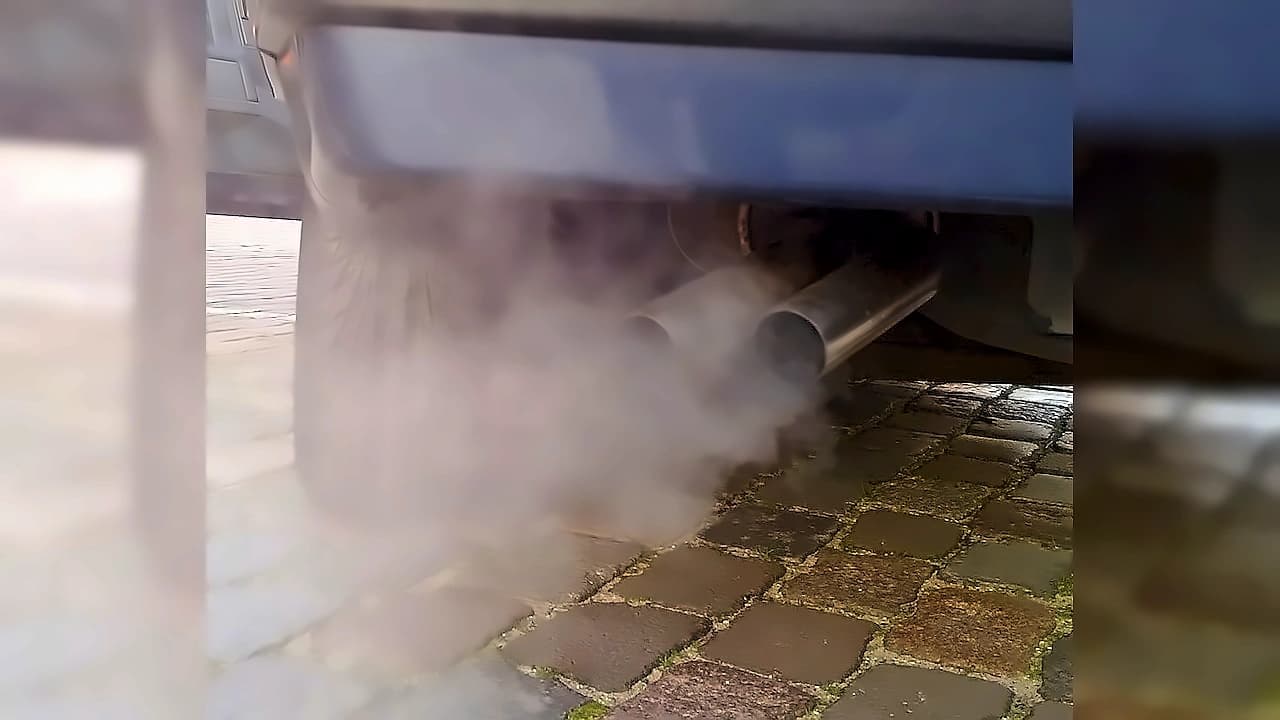
BS-VI vehicles demonstrate significantly improved environmental performance compared to their predecessors. According to NDTV, BS-VI vehicles produce up to 82% less particulate matter (PM) and 25% less nitrogen oxides (NOx) compared to BS-IV vehicles. This enhanced emission profile justifies the proposed extended validity period for these cleaner vehicles. The move is aimed at reflecting the cleaner emissions profile of BS-VI vehicles while discouraging the continued use of older, more polluting vehicles. The proposal is based on the significantly lower emissions produced by BS-VI vehicles compared with older models, making them substantially cleaner and less polluting.
The Government is also improving the PUCC process to ensure there is no manipulation in readings, as stated by an official to NDTV. A former joint secretary in the Ministry of Road Transport has applauded the suggestion given that new BS-VI automobiles emit fewer emissions. However, former deputy transport commissioner Anil Chhikara noted that the government should consider the fact that even brand-new cars' maintenance affects emissions, according to TOI. Officials are also looking at tightening the testing process to reduce manipulation in readings as part of the overhaul of the pollution certificate regime. The proposal has received support from experts, including the former joint secretary who said that the lower emissions from new BS-VI vehicles justify longer certificate validity periods.