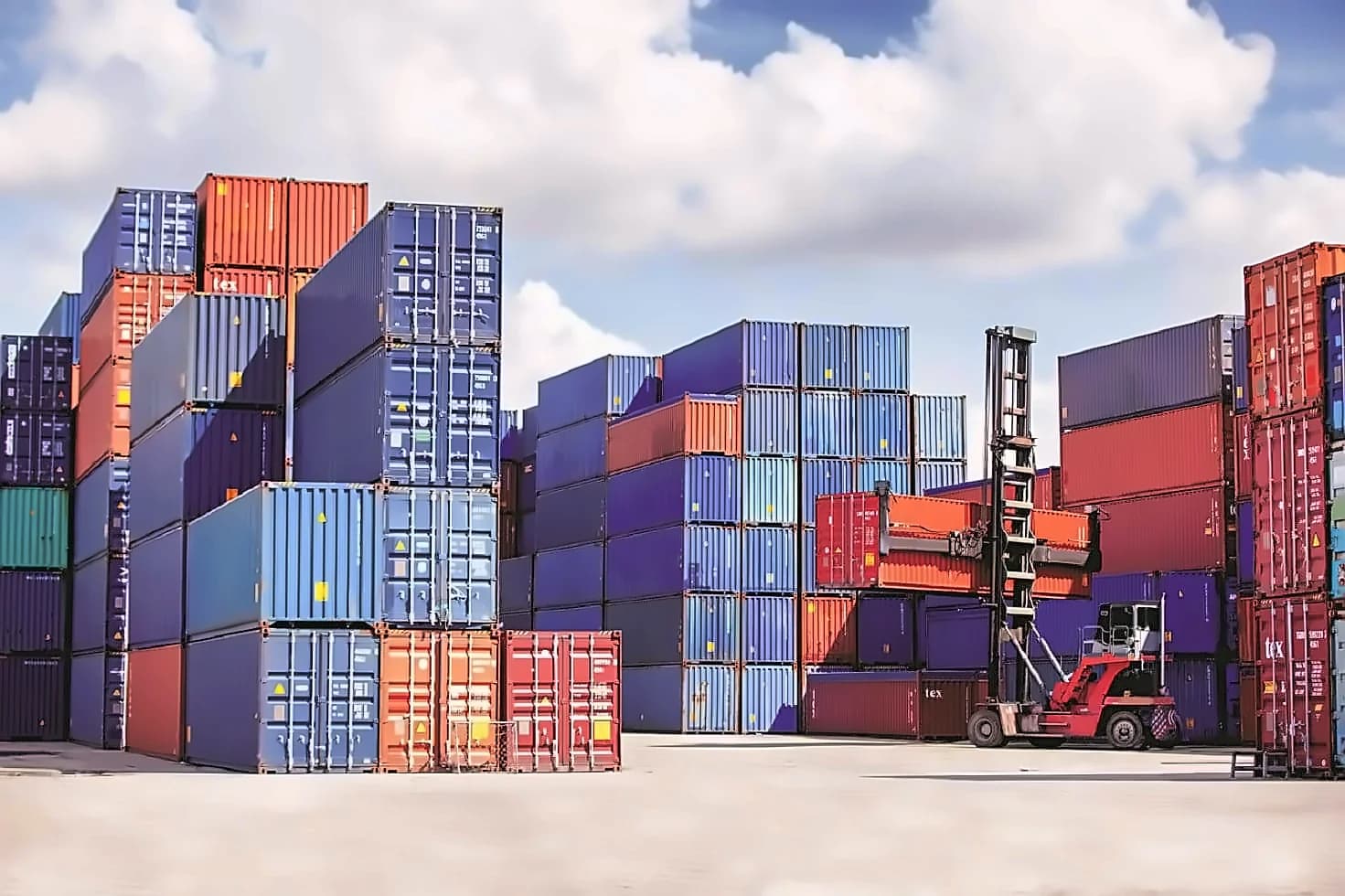
The Centre has confirmed the extension of customs duty exemptions on select petrochemical imports beyond June 30, 2026, as it closely monitors the evolving West Asia crisis and its impact on domestic industries. Ravi Teja, deputy director at the Department of Commerce, announced on Tuesday that the government is reviewing the situation on a daily basis and relief measures could get extended based on the war situation by the end of this month. This confirmation comes after initial considerations reported by Reuters in April, with the government now taking concrete steps to support domestic manufacturing sectors facing supply disruptions. The initial suspension was instated in April to alleviate sector-wide pharmaceutical shortages stemming from the Iran conflict, with the Commerce Ministry closely monitoring the global situation before making a final decision on the extension. As per Mint, India is considering extending import tax exemptions on petrochemicals used for making plastics and pharmaceutical goods beyond June 30 to help local industries.
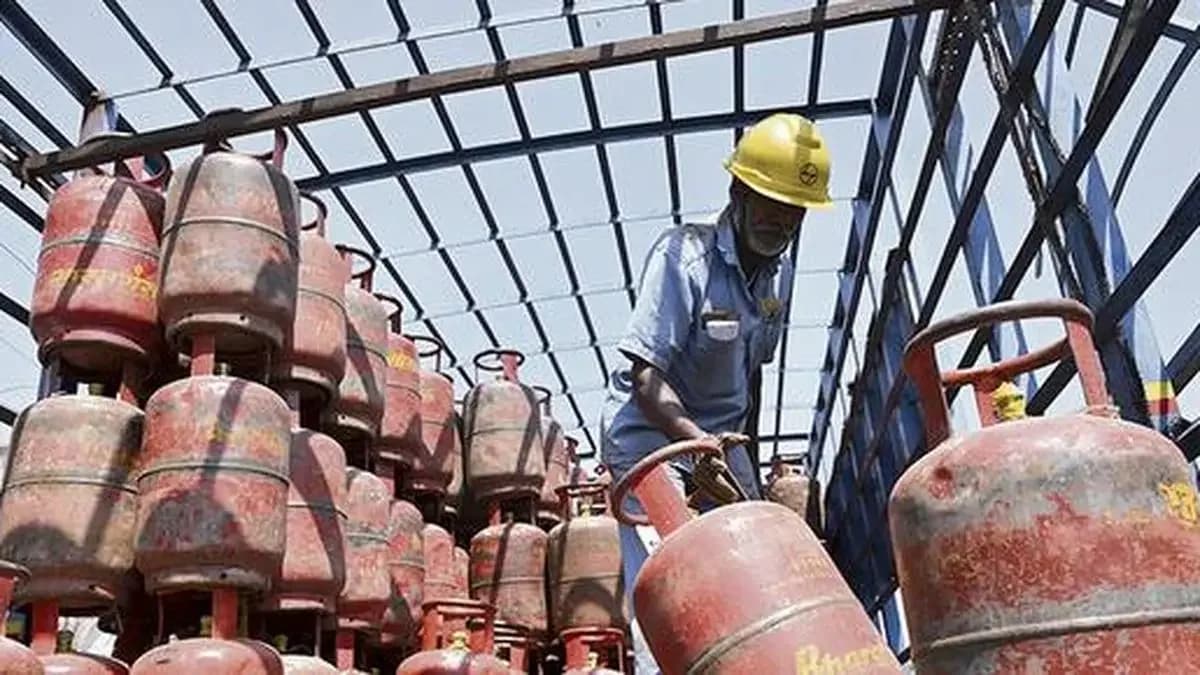
The government has expanded the relief measures to include pharmaceutical exporters beyond the original petrochemical focus. As reported by Hyderabad News, the Centre announced five measures with respect to the West Asia crisis specifically for the pharma sector. The government reduced import duties to zero on a list of essential chemicals used in pharmaceutical manufacturing, including ammonia, isopropyl alcohol, methanol, acetic acid and phenol, to ensure uninterrupted availability of crucial inputs and prevent cost escalation in medicine production. To support cost stabilisation, customs duties on select raw materials have also been lowered to help manufacturers offset rising freight and insurance expenses. Following U.S.-Israeli strikes on Iran, India's government mandated local companies to redirect petrochemical components towards LPG production, primarily for cooking gas needs, demonstrating the government's proactive approach to managing supply chain disruptions.
The government had, in April, suspended import duties on 40 petrochemical products until June 30 to support downstream sectors, including plastics and pharmaceuticals, amid supply disruptions and higher input costs. The conflict that has blocked the Strait of Hormuz since February end has triggered petrochemicals supply disruptions, raw material shortages and rising costs, prompting the government's comprehensive response. India remains a net importer of several petrochemical derivatives, although domestic manufacturers also produce these materials using feedstocks such as liquefied petroleum gas (LPG), naphtha and ethane. Despite being a net importer, India also domestically produces these derivatives using various feedstocks, providing some domestic production capacity to support the relief measures. According to Mint, India is a net importer of such petrochemical derivatives though it also produces them domestically using feedstocks such as liquefied petroleum gas, naphtha, and ethane.
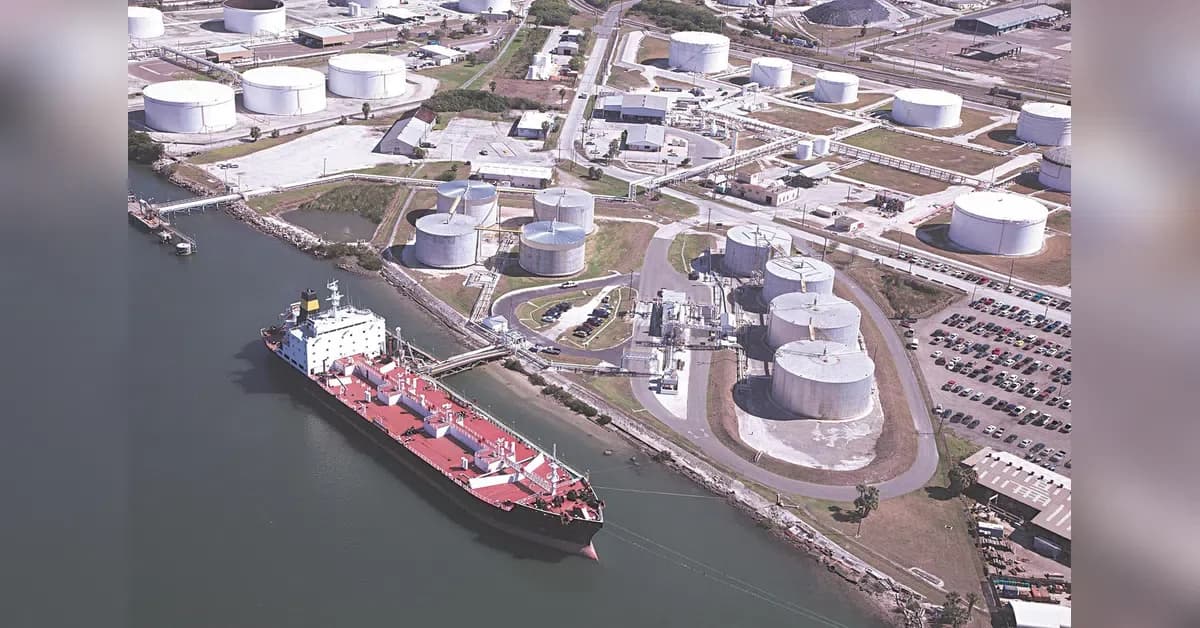
According to Teja's remarks reported by Reuters, the government is closely monitoring the evolving West Asia crisis and will take further decisions based on the ongoing situation. The temporary suspension of import duties was introduced in April after the government waived taxes on a range of petrochemical products used in sectors such as plastics and pharmaceuticals. The government's daily review process demonstrates its commitment to supporting domestic manufacturing sectors facing supply constraints and elevated costs, with the Centre now evaluating whether these benefits should continue beyond the current deadline based on the evolving geopolitical situation. As per Mint, "They (Ministry of Commerce) are monitoring the situation. Final Decision on extension will be taken only after assessing the geopolitical situation and if ministry feels it is necessary," Teja told Reuters. The daily review approach reflects the government's responsive approach to managing geopolitical tensions and their impact on domestic industries.