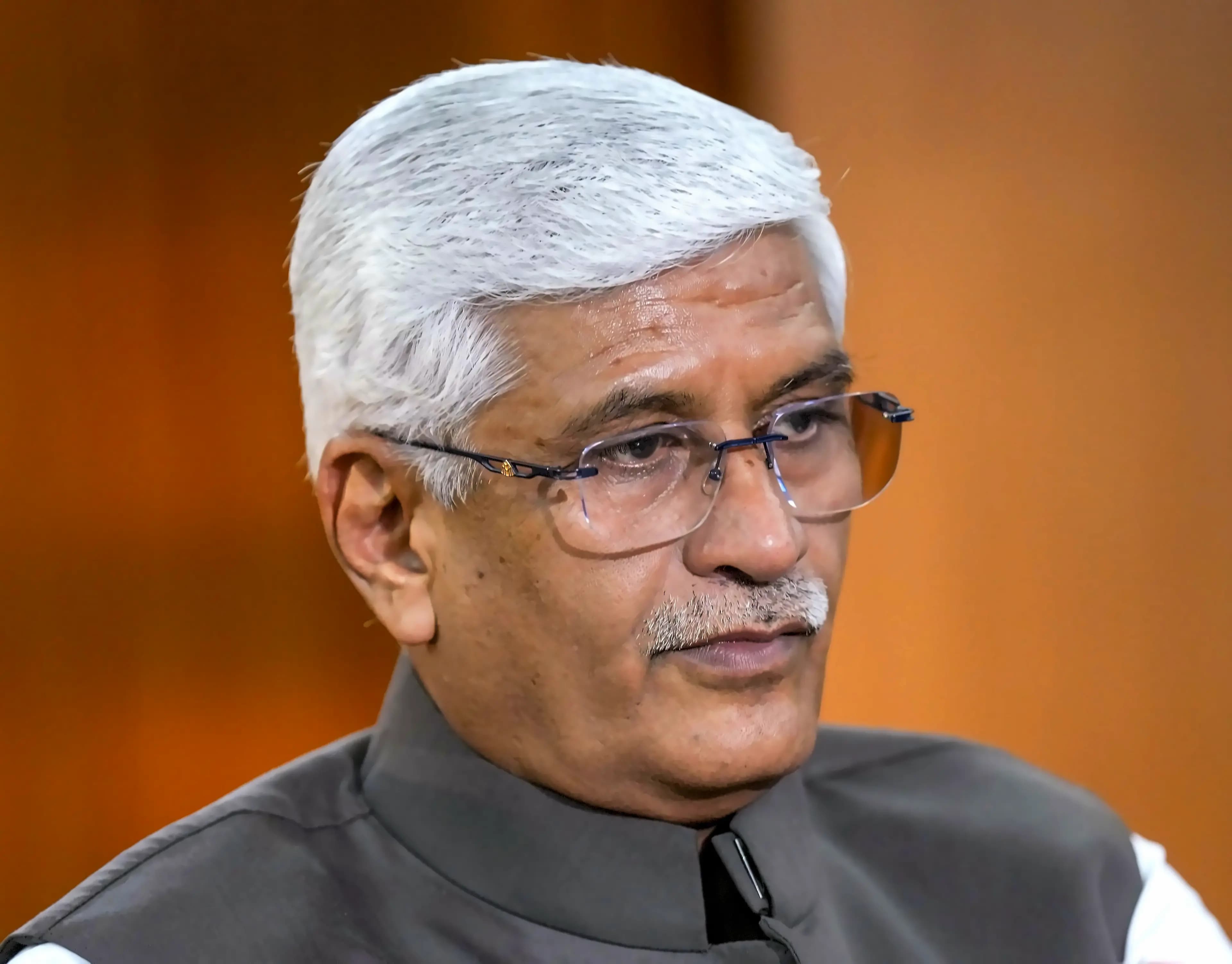
The Centre has launched a comprehensive project to build national digital public infrastructure for the tourism sector, enabling users to access a wide range of products and services on a shared digital space. According to reports from PTI, Union Tourism Minister Gajendra Shekhawat launched the project at a function held at Bharat Mandapam to mark World Tourism Day on Sunday. The Ministry of Tourism has joined hands with the Open Network for Digital Commerce (ONDC) to build the 'National Digital Tourism Stack', with a target to bring on board 23,000 tourism experiences and homestays and make them discoverable, trustable and bookable by the end of 2028. As reported by PTI, Tourism Secretary Bhuvnesh Kumar explained that artificial intelligence (AI) will be on the front end of the project, with the vision being "One ticket, One pass" to bring all of India together in a single journey. The shared digital infrastructure will enable tourism providers to make their offerings available across participating platforms, supported by capabilities such as verified identities and supplier credentials, search and discovery, payments, ratings and grievance redressal.
The National Digital Tourism Stack, being developed in collaboration with the ONDC and with the support of the International Centre for DPI Innovation and Advancement (ICDIA), aims to make India's tourism offerings more discoverable, accessible and trustworthy. According to PTI, Tourism Secretary Bhuvnesh Kumar explained that artificial intelligence (AI) will be on the front end of the project, with the vision being "One ticket, One pass" to bring all of India together in a single journey. The shared digital infrastructure will enable tourism providers to make their offerings available across participating platforms, with features including verified identities and supplier credentials, search and discovery, payments, ratings and grievance redressal. As reported by PTI, Kumar said the digital stack is intended to bring such services together through a unified digital ecosystem, addressing the current fragmentation where flights, hotels, cabs, boat rides, or even temple visits need to be booked through different websites. The programme will be implemented in phases in collaboration with the ministry, states, Union territories and the tourism industry, with a steering committee to be constituted for the initiative. Kumar noted that the ministry would be the catalyst and lead for this project, working with states and UTs to curate and validate experiences.
According to the roadmap shared by Tourism Secretary Bhuvnesh Kumar, the preparation and development phase will be undertaken from October to December 2026, followed by a pilot phase from January to June 2027, during which the first batch of experiences and homestays will go live. From July 2027 to December 2028, it will be scaled out with a nationwide supply onboarding drive. As reported by PTI, the onboarding target of 23,000 experiences includes 14,000 tourism experiences and 9,000 homestays, with the vision to onboard experiences that are either not available online or available only in a limited way. The objective is to make travel to both major cities and smaller towns "easy, safe, and in one's preferred language", according to the project note. Kumar emphasized that the project has been approved, and we will start onboarding services, with the ministry serving as the catalyst and lead for this project, working with states and UTs to curate and validate experiences.

The ministry exchanged five MoUs on the occasion with key industry partners to strengthen destination promotion and community participation. According to PTI, the partnerships cover homestay development and host skilling with Airbnb; destination promotion and responsible travel through intercity mobility with FlixBus; digital tourism content and responsible visitor messaging with Glance; community-led, heritage-based sustainable tourism in the Himalayan region with Eicher Group Foundation; and promotion of unexplored villages, authentic local shopping and ministry-identified travel initiatives with MakeMyTrip. The collaborations under the five MoUs are non-commercial, non-financial, non-binding and non-exclusive. As reported by PTI, Kumar noted that the ministry would be the catalyst and lead for this project, working with states and UTs to curate and validate experiences, with the initiative focusing on tourism experiences that are not currently available online or have only a limited digital presence.
Minister Shekhawat emphasized that tourism is no longer just about visiting places, with today's travellers seeking authentic experiences including local cuisine, local art, local traditions and meaningful connections. As reported by PTI, he noted that a new curiosity among domestic tourists to explore India has lent new energy to the economy. Kumar highlighted that tourists were increasingly looking for diverse and authentic experiences and were using AI-based platforms alongside traditional tourism resources to plan their journeys. The ministry also released the India Tourism Statistics 2026 on the occasion, alongside launching the 'Mission for Redistribution of Tourism Demand Promotion of Lesser-known Destinations' and 'Dekho Apna Desh 2.0' initiatives. The digital public infrastructure seeks to allow tourists to discover more of India, travel with confidence, book and pay easily, and reduce paperwork, with the project having been approved and onboarding services set to commence.