India has established itself as a major player in the global tourism economy, currently ranking 8th among the world's top tourism economies and contributing ₹19,00,000 crore (US $231.6 billion) to the national economy. According to reports from Business Standard, the World Travel & Tourism Council (WTTC) projects India will rise to the 4th place globally over the next decade, reflecting its growing influence in the global tourism landscape. This upward trajectory demonstrates India's significant contribution to the international travel sector and its potential for continued growth in the coming years.
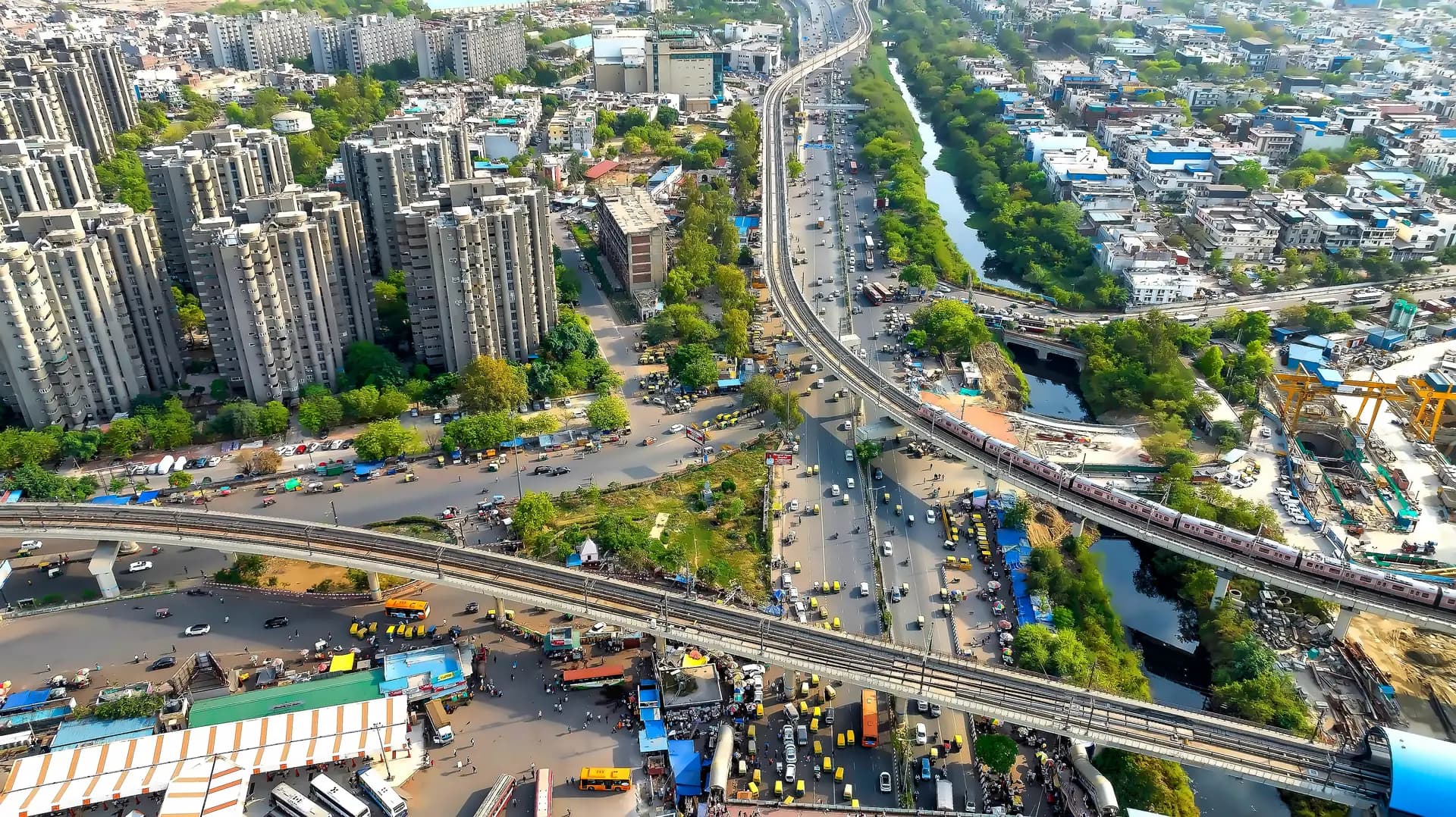
The transformation of India's tourism sector is being driven by substantial infrastructure improvements across multiple sectors. As reported by Business Standard, over the last decade, more than 100 destinations have been upgraded through various tourism infrastructure schemes, resulting in significantly improved visitor experience. The proposed development of 50 key destinations will further enhance destination quality, amenities, and tourism readiness. Improved highways, modern airports, UDAN connectivity, Vande Bharat trains, railway modernisation, and stronger last-mile connectivity are making travel easier than ever before, creating new opportunities for local communities and tourism enterprises.
India's international tourism outreach is entering a new phase with enhanced digital promotion strategies and strategic partnerships. According to Business Standard, a revitalised Incredible India campaign has been implemented, which includes enhanced digital promotion, participation in international travel marts, roadshows, and strategic partnerships. These efforts are strengthening the country's presence in key source markets and laying the foundation for a tourism sector that is more resilient, more inclusive, and more globally competitive. The strengthened digital presence is making India more accessible to visitors from a large number of countries through the significant expansion of the e-Visa system.