Minister of State for Chemicals and Fertilisers Anupriya Patel announced the launch of the Amrit (Affordable Medicines and Reliable Implants for Treatment) initiative under the Department of Health and Family Welfare. According to reports from Zee News, this initiative provides affordable medicines for cancer, cardiovascular and other diseases, implants, surgical disposables and other consumables at an average discount of up to 50 per cent on market rates through AMRIT Pharmacy stores set up in hospitals and healthcare institutions across the country.
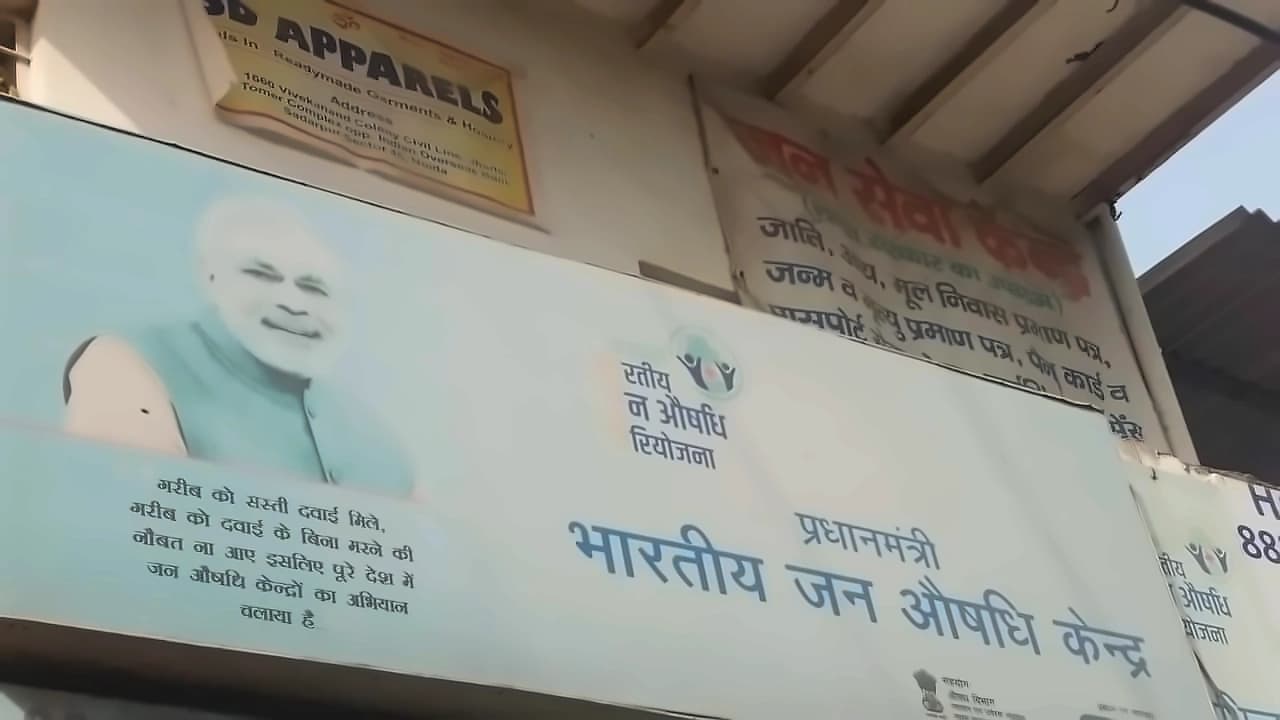
The government has also enabled access to affordable essential medicines through the Pradhan Mantri Bhartiya Janaushadhi Pariyojana (PMBJP), as reported by Zee News. Under this scheme, quality medicines are offered through Jan Aushadhi Kendras (JAKs) at rates that are typically 50-80 per cent lower than the prices of branded medicines. The network includes Free Drugs Service Initiative under the National Health Mission, where essential medicines list recommended under the Indian Public Health Standards (IPHS) are made available free of any charge at public health facilities ranging from Primary Health Centres (PHCs) to district hospitals across the country.
The manufacturing, sale and distribution of drugs in India is regulated under the Drugs and Cosmetics Act, 1940 and Rules, 1945 through a system of licensing and inspection, according to Zee News. Licenses for manufacture, sale and distribution of drugs are granted by the State Licensing Authorities (SLAs) appointed by respective state governments. The minister explained that State Licensing Authorities carry out periodic inspections or as per risk-based approach from time to time of licensed premises for verification of compliance with the Act and rules thereunder, with actions such as suspension and cancellation of licences, prosecutions in the court of law taken against erring firms.
Drug prices are regulated under the Drugs (Prices Control) Order 2013 (DPCO, 2013), as reported by Zee News. The ceiling prices of scheduled medicines are revised annually on the basis of Wholesale Price Index (WPI) (all commodities) for preceding calendar year on or before April 1 of every year, which is notified by the Government on the first day of April every year. This regulatory framework ensures price stability and accessibility of essential medicines across the country. As per the latest data from PIB, the National Pharmaceutical Pricing Authority (NPPA) under the Department of Pharmaceuticals regulates the prices of medicines and ceiling prices of 935 formulations are effective as on 23.07.2026, with the average price reduction due to refixation of prices under NLEM, 2022 being about 17%.