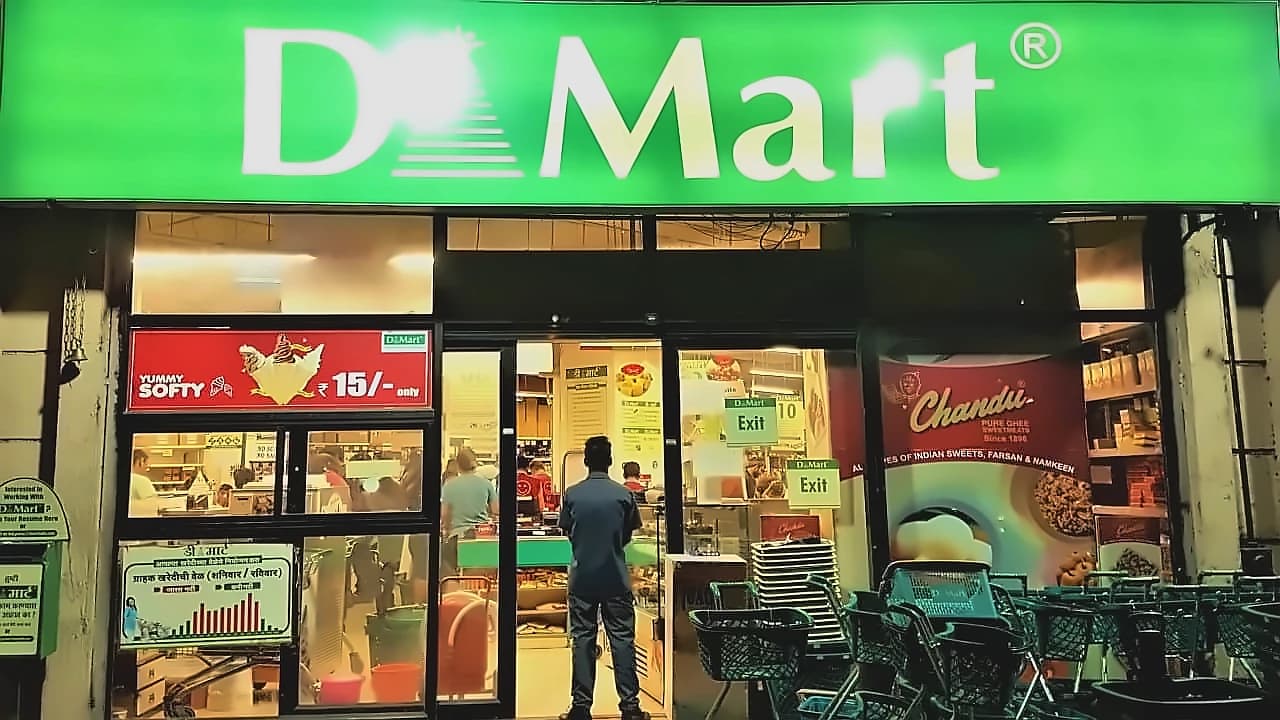
Radhakishan Damani-led Avenue Supermarts, which operates the DMart supermarket chain, has launched pilot pharmacy counters inside select DMart stores in the Mumbai Metropolitan Region (MMR), offering a flat 20 percent discount on medicines in a strategy that mirrors its successful everyday-low-pricing model in grocery retail. According to reports from Moneycontrol, the initiative is being driven through Reflect Healthcare and Retail Private Limited (RHRPL), a wholly owned subsidiary of Avenue Supermarts, with DMart veteran Hitesh Shah leading the venture.
As reported by Moneycontrol, RHRPL reported revenue of ₹12.92 crore in FY25, nearly four times that in FY24, while losses widened to ₹2.45 crore from ₹0.69 crore a year earlier. The company operates a network of 503 stores with a retail business area of around 20.7 million square feet. An analyst from a domestic brokerage noted that compared to DMart's operating profit margins of 7-8 percent, pharmacy offers 25 to 30 percent margins.
According to Moneycontrol reports, rather than opting for capital-intensive standalone storefronts, DMart's strategy centres on a 'shop-in-shop' model, carving out dedicated pharmacy counters inside its existing brick-and-mortar hypermarkets. An initial pilot featuring a handful of in-store medical counters has been quietly running in select locations in MMR, with early customer response being encouraging enough for the company to evaluate a broader rollout. However, consistent with DMart's cautious expansion strategy, a nationwide scale-up is likely to be gradual.
As reported by Moneycontrol, industry insiders suggest that DMart's 20 percent flat discount policy could trigger a margin squeeze for neighborhood mom-and-pop chemists and intensify pressure on e-pharmacies. An industry executive noted that by having pharmacies within massive, high-footfall grocery stores, DMart bypasses customer acquisition costs and incremental real estate overhead. However, Thyrocare managing director Rahul Guha flagged long-term sustainability concerns, stating that a flat 20 percent margin cut leaves very little room for operational errors, particularly given the high-inventory nature of pharmacy retail requiring up to 4,000 to 5,000 stock-keeping units.