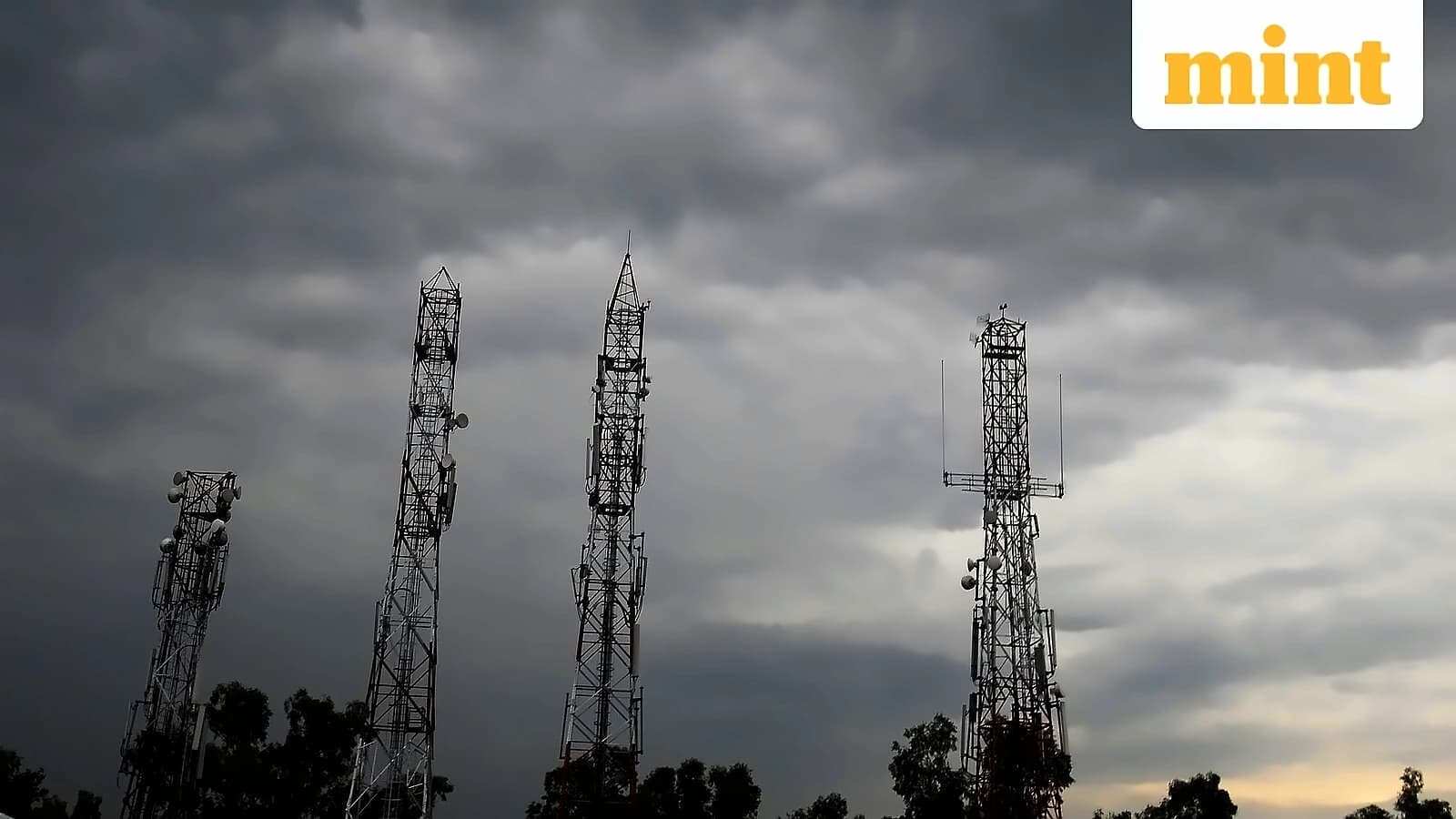
The Indian government has ordered telecom companies to disable mobile data services in central Delhi amid ongoing youth protests, according to Reuters reports. The blockade affects central parts of the capital and areas around the protest site, where protesters led by the 'cockroach' movement have been camping since last month. As reported by The Economic Times, the Union Home Ministry suspended mobile internet services near Jantar Mantar until midnight on Thursday for public safety reasons. The protest movement is demanding the resignation of Education Minister Dharmendra Pradhan over exam paper leaks in May that affected some 2 million students. The ministry has issued multiple such suspension orders recently, highlighting the government's expanded use of telecommunications restrictions for public order management.
The government has implemented a comprehensive ban on telecommunication data sharing outside India through a new authorisation framework notified by the Department of Telecommunications (DoT). According to reports from Business Standard, all telecommunication data, logs and information associated with telecom networks must now be stored within the country. The notification, dated July 20, mandates that no copies of such data, logs or information may be routed, shared or made available outside India. The move represents part of the government's broader strategy to transition from a licensing regime to a regulatory framework under the Telecommunications Act, 2023. The new framework also introduces a new category for cloud-hosted telecommunication network providers, expanding the scope of entities covered under the regulations.

Under the new framework, the Centre has been empowered to monitor compliance with the rules by accessing and inspecting sites where telecommunication equipment and networks are established, including within a user's premises. As reported by Business Standard, the government may also audit the processes or systems put in place by authorised entities to ensure compliance with the norms. The Centre can appoint a designated agency to conduct such audits, with the notification stating that immediate action may be taken without prior notice if considered necessary in the public interest. This comprehensive monitoring system ensures strict adherence to the new data storage requirements across all telecommunications infrastructure providers.
The authorisation framework covers multiple telecommunication infrastructure providers eligible to seek authorisation under the notified framework. According to the notification, eligible entities include infrastructure providers, digital connectivity infrastructure providers, internet exchange point providers, satellite earth station gateway providers, cloud-hosted telecommunication network providers, and mobile number portability providers operating at national level. Infrastructure providers will be solely responsible for obtaining all necessary permissions required for rolling out their networks, with the government clarifying that delays in securing such permissions will not be accepted as grounds for non-compliance. The framework's expansion to include cloud-hosted providers reflects the growing importance of cloud-based telecommunications infrastructure in India's digital landscape.
The notification includes specific protections for competitive positioning in the telecommunications sector. As reported by Business Standard, the designated agency will not collect or require disclosure of any information if such disclosure could harm the competitive position of either the user or the authorised entity. This provision ensures that compliance measures do not compromise the competitive advantages of established telecommunications providers while implementing the new data storage requirements. The framework's emphasis on protecting competitive positioning demonstrates the government's commitment to maintaining a balanced approach between security requirements and market competition in the telecommunications sector.