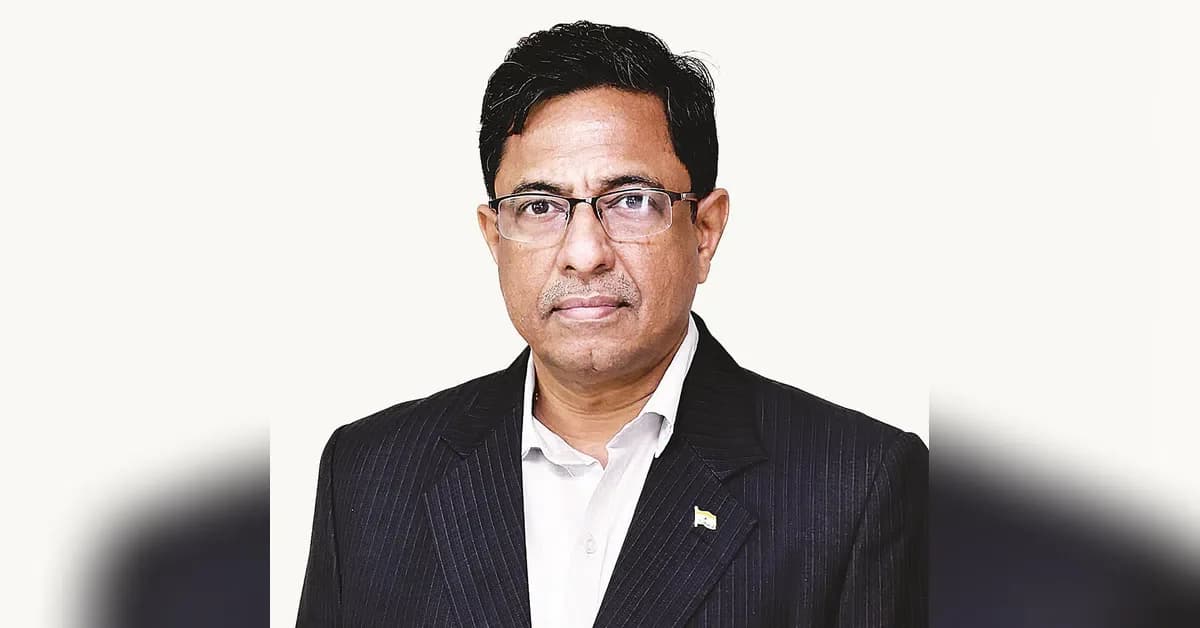
GIFT City has achieved remarkable growth in its banking sector, with banking assets surging approximately 60% to $193 billion as of end-September 2026, according to K. Rajaraman, chairman of the International Financial Services Centres Authority (IFSCA). This represents a significant increase from $120.69 billion recorded in June 2026, as reported by Business Standard. The growth has been primarily driven by sustained expansion in credit markets, especially foreign currency deposits and external commercial borrowings, with Rajaraman emphasizing that banks in the hub are positioned to become one of the biggest sources of capital for Indian companies seeking to fund their domestic operations as well as global expansion. The Reserve Bank of India's special swap facility for foreign-currency non-resident deposits, which operated from June until the end of August, has been instrumental in boosting activity in GIFT City.
Gujarat International Fin-Tec City (GIFT City) is already establishing itself as a significant gateway for India's financial flows, with more than 65% of the country's external commercial borrowing (ECB) routed through the international financial services centre annually. According to reports from Business Standard, Praveen Trivedi, executive director of the International Financial Services Centres Authority (IFSCA), emphasized that GIFT City should serve as a gateway for both inbound and outbound capital flows, positioning this as a fundamental pillar for the centre's development strategy. At the recent BFSI Insight Summit 2026, experts reinforced this vision, with Trivedi stating that "Whatever is going out of India should come back. And whatever is coming to India, GIFT City should be the gateway for that." The regulator and government are also working to simplify the process of setting up operations, including changes to approval procedures within the special economic zone (SEZ).
The next phase of GIFT City's growth will focus on expanding financial products, easing access for investors and issuers, and addressing regulatory and tax-related hurdles. As reported by Business Standard, V Balasubramaniam, managing director and CEO of NSE International Exchange, highlighted that GIFT City has raised the maximum amount of ECB bonds for India this year, which was particularly timely given India's foreign-exchange shortage. The centre is exploring commodity trading, tokenisation, fund management, derivatives and specialised financing as potential growth areas, with Balasubramaniam noting that commodity trading could significantly increase activity levels if introduced. "Today, if you look at thriving financial centres like Singapore and Dubai, most of it is commodities trading. That is something that could get notified soon. If that happens, I think the scale of activity could change," he said. Additionally, work is underway to operationalise the framework for direct listing of Indian companies on overseas exchanges, announced in 2023, which could provide Indian issuers another route to access international capital. The Securities and Exchange Board of India and IFSCA are also working on **dual listing frameworks, with Rajaraman stating that "Dual listing is certainly a goal."
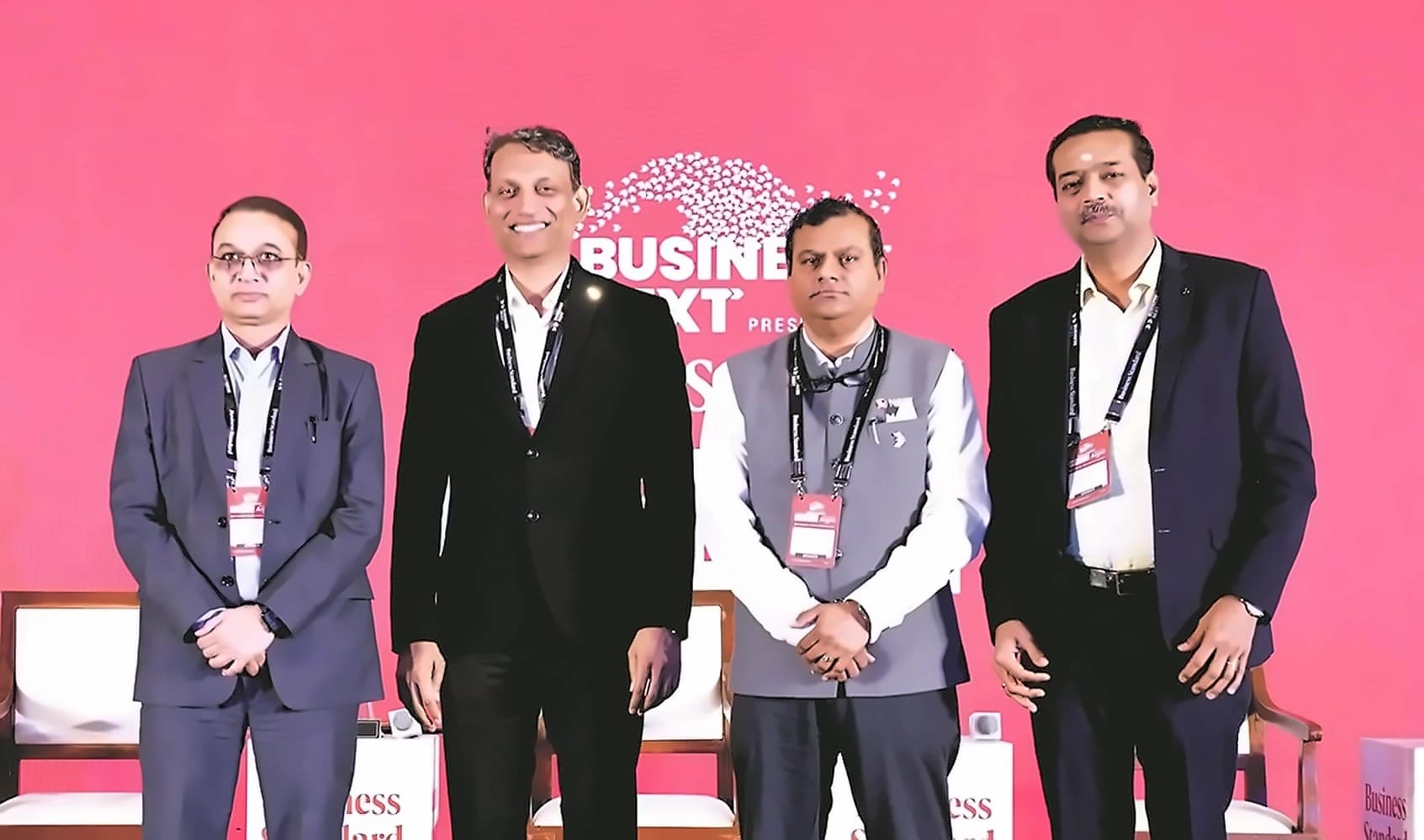
The IFSCA is implementing simplified approval processes with a single-window mechanism for applications relating to the IFSCA and special economic zone (SEZ), reducing approval times to 15-16 days on average. According to Business Standard, the regulator is also working to address operational restrictions, including RBI rules preventing promoters of unlisted Indian companies from participating in GIFT City activities and restrictions on market-making by broker-dealer subsidiaries of Indian firms. The centre offers eligible entities the ability to share office space and documentation, with fund-management entities able to launch multiple funds without separate approval for each fund. Suresh Swamy, partner at Price Waterhouse & Co LLP, highlighted emerging innovative financing structures including aircraft and ship leasing, GPU (graphics processing unit) financing and oilfield equipment financing. The IFSCA is also providing sandbox approvals for the tokenisation of real estate and ships, as well as fintech companies working to facilitate cross-border investment.
GIFT City offers significant tax advantages for eligible borrowing, with concessional tax rates of 9% under domestic law compared to 20% withholding tax that may apply to overseas debt raised through jurisdictions such as Luxembourg. As reported by Business Standard, panellists called for an outbound tax regime to improve the competitiveness of funds operating through GIFT City, noting that some international fund jurisdictions tax investors only when distributions are made rather than each time assets are bought and sold within portfolios. Trivedi emphasized the importance of maintaining a framework that attracted international capital, stating that "Today, global capital is not sufficient. If you put restrictions through tax, then it will find its own destination." However, the rapid growth comes with challenges, as some investment funds in GIFT City have recently received tax notices for the 2024-25 and 2025-26 assessment years despite exemptions available to such entities, raising questions over the implementation of tax incentives that are central to the hub's appeal.
The centre's long-term success will depend on resolving restrictions affecting certain market activities, simplifying KYC procedures for Non-Resident Indians, and establishing clearer rules for cross-border investment. According to Business Standard, Vijay Krishnamurthy of India INX emphasized that while innovative products are important, basic operational and regulatory issues must be addressed first for sustained growth. The proposed arbitration centre could provide another differentiator, though implementation remains work in progress with ongoing discussions with government departments. The economic zone, where firms including HSBC Holdings Plc, Standard Chartered Plc and Mitsubishi UFJ Financial Group Inc. have built huge businesses, offers exemptions from certain taxes and regulatory restrictions, boosting its appeal as an international capital-raising venue. Asset managers including Mirae Asset Investment Managers (India) and Jio BlackRock Asset Management have also established operations in the hub. The government and IFSCA are working together to ensure that tax incentives and policies meant to draw in and keep multinational companies in GIFT City are being implemented.