The government is actively considering a significant proposal to extend driving licence validity from the current 20 years to 50 years, as confirmed by officials from the Ministry of Road Transport and Highways to NDTV. Currently, driving licences remain valid for 20 years from the date of issue, after which holders must apply for renewal and submit required documents including health certificates in certain cases. Under the proposed framework, licences could remain valid for 50 years, potentially reducing the need for frequent renewals and simplifying the licensing process. Officials indicated that the changes are currently under consideration, though no final decision has been taken yet. The Driving Licence Validity Extension proposal aims to reduce administrative burdens and make government services more accessible for citizens, with officials confirming the proposal is under active consideration.
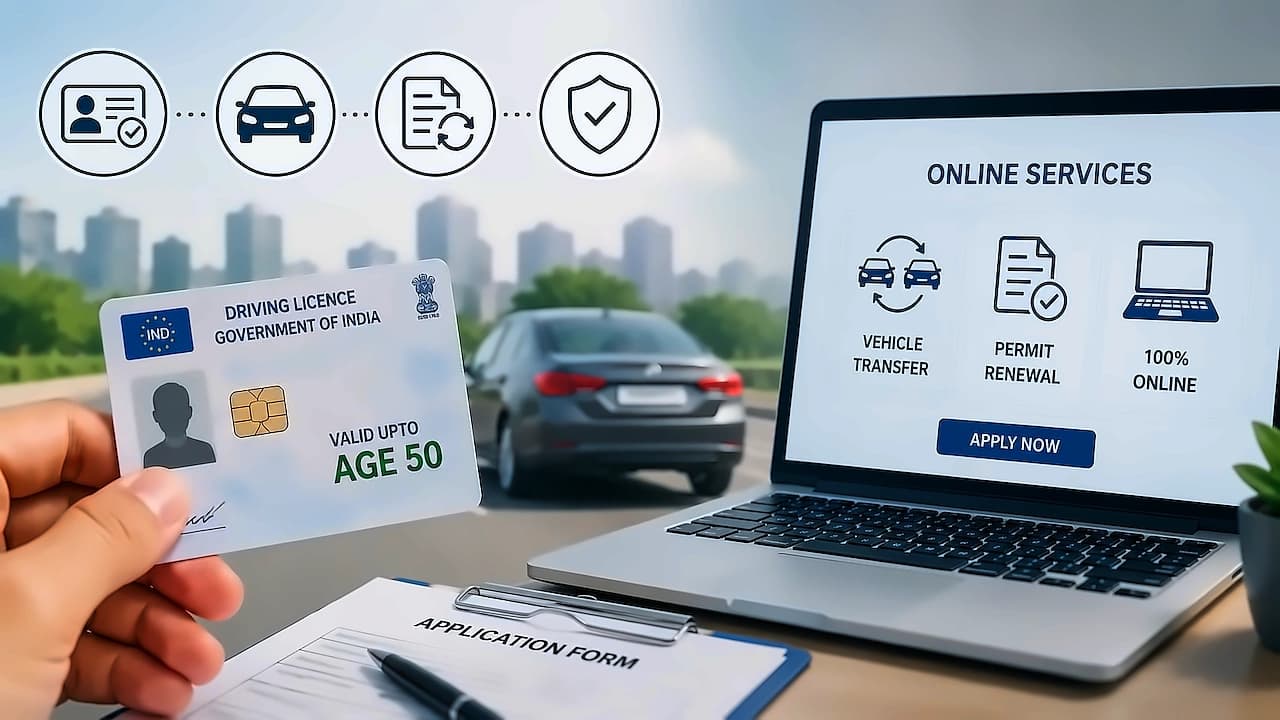
The Ministry of Road Transport and Highways is working on a comprehensive package of reforms to streamline transport-related services, according to NDTV reports. The proposals are part of the government's broader push to improve ease of living and reduce the need for citizens to visit Regional Transport Offices (RTOs) for routine services. The ministry is also examining measures to make vehicle ownership transfers and permit renewals completely digital, eliminating physical visits to transport offices and reducing procedural delays. These digital initiatives are expected to streamline processes while cutting down on administrative burdens. The government is simultaneously working on digitizing several transport-related processes, with the goal to minimize physical visits to transport offices and improve service efficiency through digital platforms.
As reported by NDTV, the proposed reforms include strengthening road safety through a system that assigns negative points to drivers for traffic violations. Accumulation of such points could eventually lead to suspension or cancellation of licences, creating stronger deterrence against repeat offences. This system represents a shift toward more proactive enforcement of traffic regulations and improved driver accountability. Officials emphasized that once a system is in place to assign negative points for traffic violations and link them to suspension or cancellation of licences, errant drivers can be effectively regulated. The negative points mechanism would help ensure that longer licence validity periods do not compromise road safety standards, with authorities able to monitor driving behavior more effectively through digital records.
The proposed reforms are currently under consideration and could be rolled out in the near future as part of the government's digital governance agenda, according to NDTV reports. The Centre is evaluating a series of measures to streamline transport-related services, with these reforms representing a significant step toward modernizing India's transport administration system and improving citizen convenience. While the proposal could benefit licence holders by reducing administrative inconvenience and improving access to transport services, some state governments have expressed concerns about potential revenue loss from fewer licence renewals. However, officials indicated that states are unlikely to suffer any significant revenue loss if the changes are implemented, as fees related to obtaining or renewing driving licences can continue to be collected through online platforms. Authorities expect the overall impact on state revenues to be manageable, with online processing potentially improving compliance rates.