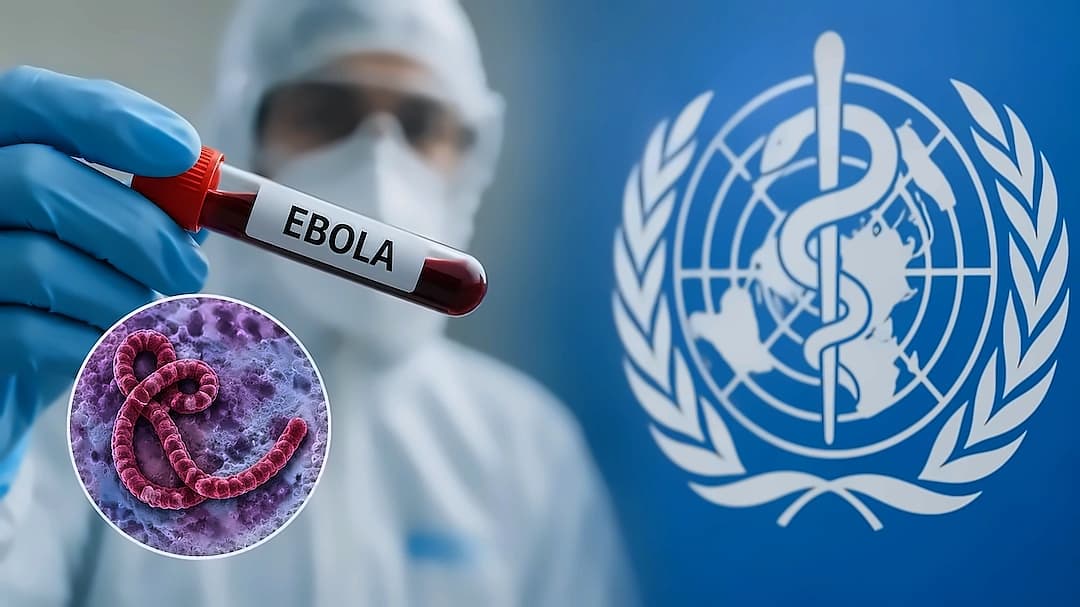
The World Health Organization on May 17 declared the Ebola outbreak in the Democratic Republic of Congo a Public Health Emergency of International Concern, warning of a high risk of spread to neighbouring countries. According to reports from NDTV Profit, this declaration has prompted governments worldwide to tighten travel-related containment measures. The outbreak in Central Africa continues to raise alarm globally as millions of fans, athletes, and tourists are set to descend to North America for the FIFA World Cup 2026. As per Reuters, the joint statement emphasizes that 'The health and safety of every person in the region remains our highest priority as we welcome the world to North America'. The decision has prompted governments to step up travel-related containment measures across the globe.
Health Minister Marjorie Michel confirmed that the FIFA World Cup 2026 is the primary factor behind the new coordinated travel measures. As reported by CBC.ca, Michel stated that 'Even if Canada still remains low risk, we are taking all the precautionary measures and we are aligning with the U.S. and Mexico to have the same kind of measures'. The upcoming FIFA World Cup, co-hosted by Canada, the U.S. and Mexico, represents a significant international gathering that necessitates comprehensive health protection measures. The tournament, scheduled to begin on June 11 and conclude on July 19, spans across all three host nations, making coordinated health measures particularly critical for public safety.
In a joint statement, the three host nations announced aligned public health travel measures for individuals coming from African regions at greatest risk from the Ebola virus. As reported by NDTV Profit, the United States, Mexico and Canada stated that this coordinated approach aims to protect their citizens and the millions of visitors, fans, athletes, and tourists expected during the FIFA World Cup 2026. The announcement emphasizes maintaining travel and commerce across borders while prioritizing health and safety for all regional residents. According to Reuters, the statement did not detail the specific aligned measures but confirmed the coordinated approach across all three nations.
The US has banned non-citizens who had recently travelled to the DRC, Uganda, or South Sudan from entering the country, with the Centers for Disease Control and Prevention subsequently extending the ban to green card holders who had been in those countries within the previous 21 days. According to Reuters, Canada imposed a 90-day entry ban on residents from the three affected nations, with the ban starting on May 27. Canadian citizens, permanent residents and other foreign nationals who have been in affected areas in recent weeks and do not have symptoms will have to quarantine for 21 days from May 30, according to a statement from Canada's public health agency. Mexico's Health Secretary David Kershenovich announced tighter Ebola screening at airports, urged the public to avoid travel to the DRC, and asked arrivals from the country to observe a 21-day quarantine. The measures were announced on May 25 by Mexico's Health Secretary.