Union Civil Aviation Minister Kinjarapu Rammohan Naidu has cautioned that India must remain vigilant and prepared to tackle potential fallout from the escalating crisis in West Asia, though he emphasized the situation is not worrisome for India at present. Speaking during his maiden visit to Ranchi, Naidu stated that every sector, including civil aviation, must take responsibility and plan proactively to minimise the impact on citizens and the country. The minister noted that the government has already initiated measures to shield domestic passengers from rising travel costs, including reducing aviation turbine fuel (ATF) prices along with landing and parking charges at airports to stabilise fares and support the aviation sector.
Delhi and Mumbai have implemented significant reductions in aviation turbine fuel (ATF) taxes, with Delhi reducing VAT from 25% to 7% for an initial six-month period and Maharashtra cutting VAT from 18% to 7% in Mumbai. According to reports from Business Standard, Delhi Chief Minister Rekha Gupta stated the move could result in an estimated revenue loss of nearly ₹985 crore for the government, though she argued the decision would boost aviation activity and provide the national capital with a competitive edge. The relief comes as the government continues to monitor airfares closely, with Naidu noting that nearly five lakh passengers travel daily on domestic routes.
The tax cuts come at a critical time when airlines continue to face elevated fuel prices and mounting cost pressures due to the West Asia crisis. As reported by Business Standard, ATF contributes nearly 35-40% of an airline's operating expenditure in India, making even modest VAT reductions translate into meaningful savings. According to data from the Petroleum Planning and Analysis Cell (PPAC), India's ATF consumption stood at around 764 thousand metric tonnes in February 2026, while DGCA data showed domestic airlines carried nearly 167 million passengers in calendar year 2025. Mumbai airport alone handled 55.5 million passengers in 2025 and recorded over 331,000 aircraft movements.
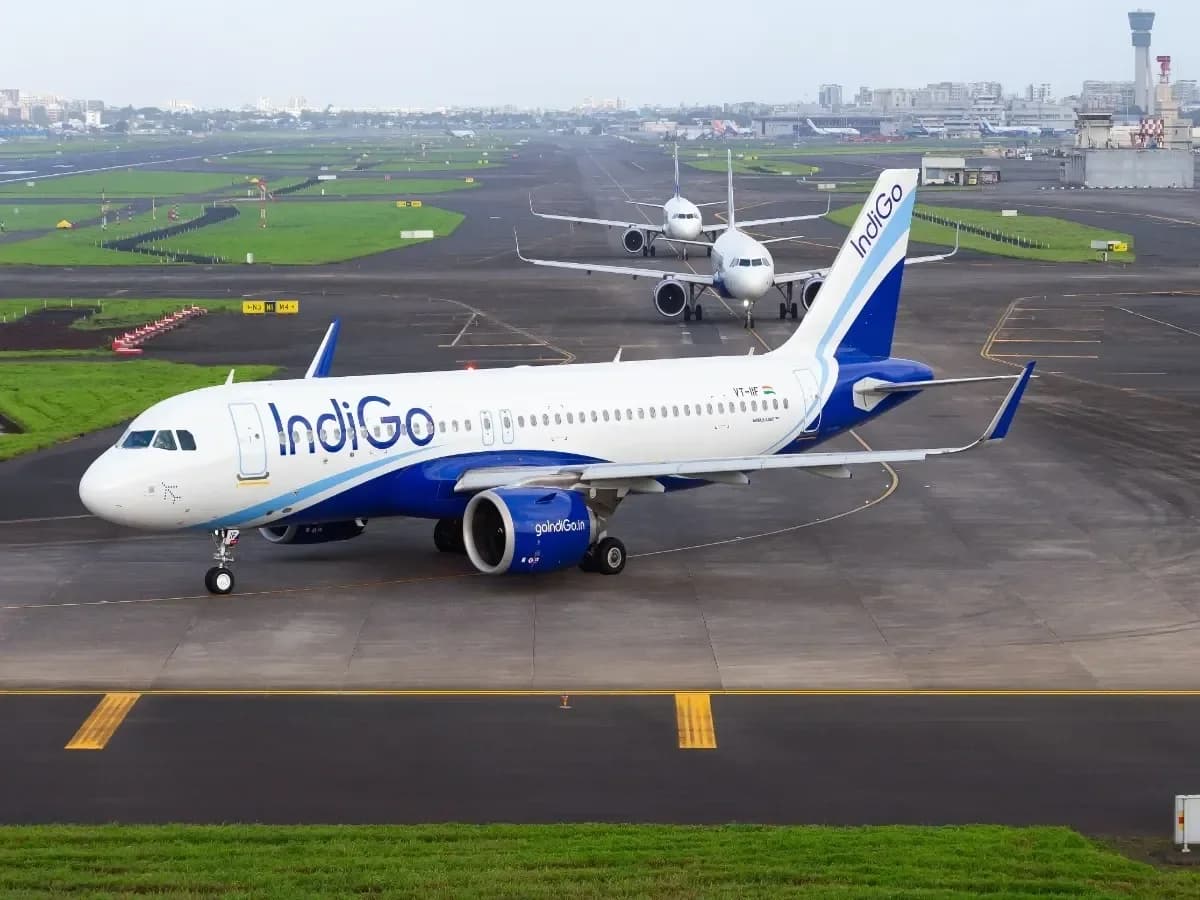
Industry experts project significant annual savings for major carriers operating extensive metro and hub-based networks. According to Business Standard, large carriers operating extensive metro and hub-based networks could see savings potentially running into several hundred crores annually if the relief continues for longer durations. Bharat Lakshay Mehta, an aviation expert with over 15 years of experience, noted that Delhi's reduction from 25% to 7% is especially significant because it previously had one of the highest ATF VAT structures among metro airports. The biggest gains are expected to accrue to airlines with extensive hub operations, high aircraft utilisation, and stronger metro connectivity through Delhi and Mumbai.
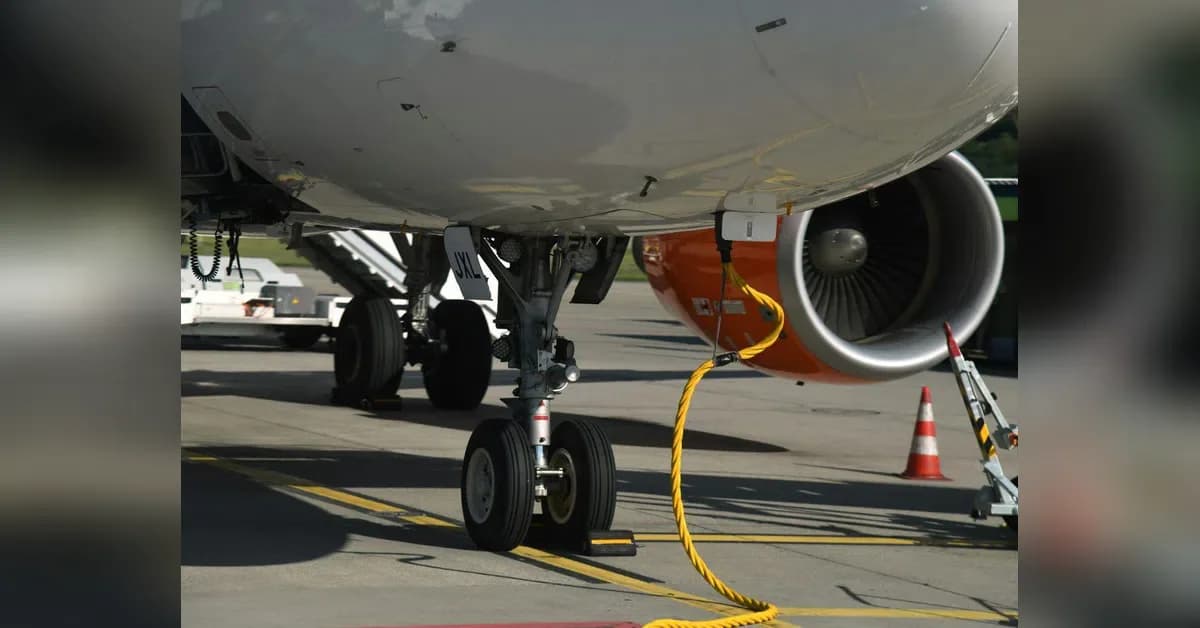
The tax cuts may lead to operational changes in airline strategies, particularly regarding fuel tankering practices. As reported by Business Standard, airlines in India have historically adopted selective refuelling and fuel tankering to optimise around varying state-level ATF taxes. Subroto Bose, taxation expert and partner at ASA & Associates, noted that budget airlines operating primarily in the domestic sector will likely consolidate fuelling in states offering competitive VAT rates. The relief could also help airlines maintain belly cargo capacity and sustain connectivity on key sectors, supporting the cargo and logistics ecosystem. Naidu indicated that if demand rises, the government will increase connectivity and deploy more aircraft to meet growing passenger needs.
Despite the significant tax relief, experts do not expect airlines to substantially cut ticket fares immediately. According to Business Standard, airfare pricing in India is influenced by demand-supply dynamics, seasonality, crude oil prices, exchange rates and competitive market conditions. Bharat Lakshay Mehta stated that while the tax relief may help prevent fares from increasing further, it is unlikely to result in visible fare reductions. Low-cost carriers could selectively pass on some benefits through tactical pricing, though volatile geopolitical conditions and rising jet fuel prices may limit the extent of fare reductions. The minister noted that the government is continuously monitoring airfares to ensure they remain accessible to passengers.