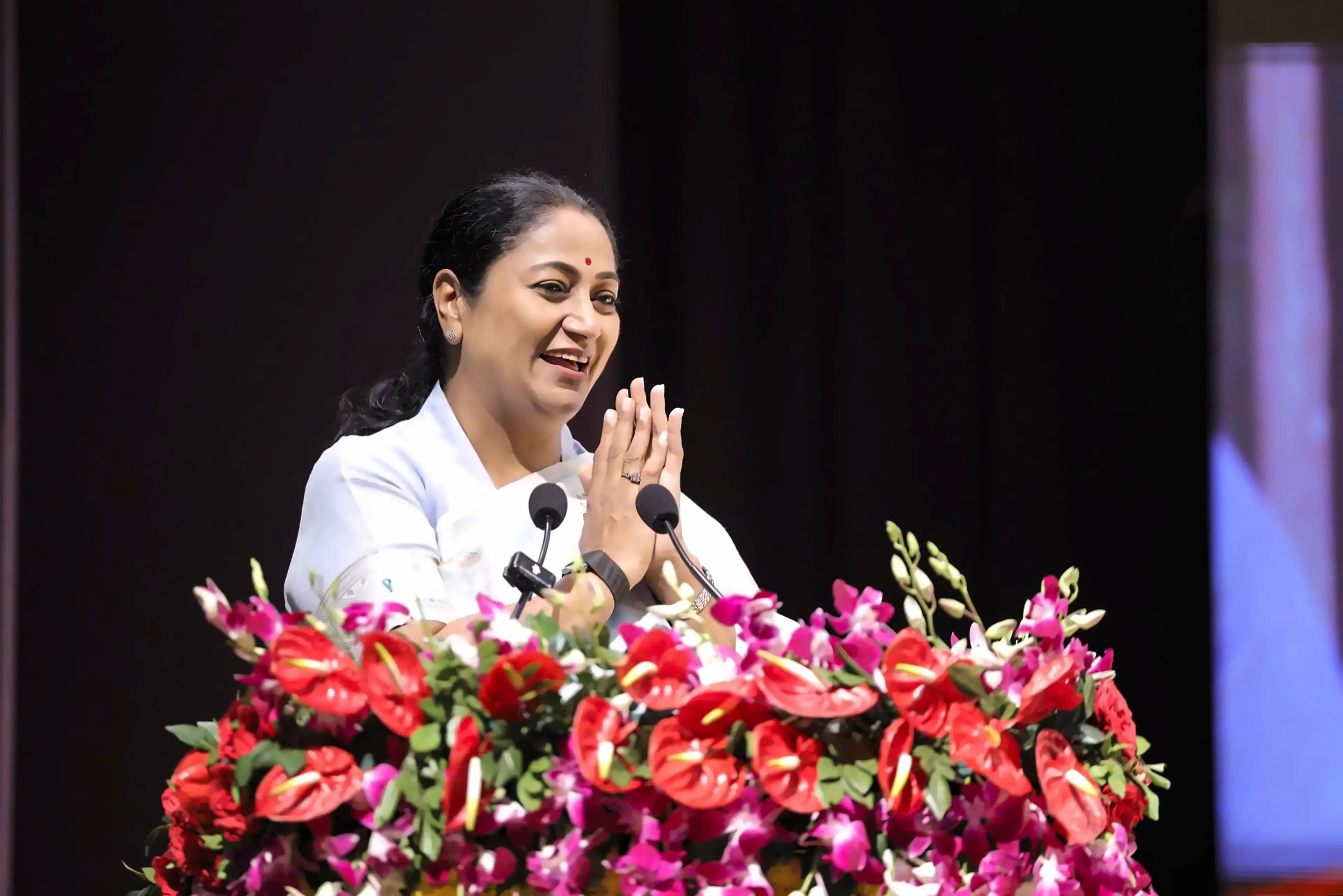
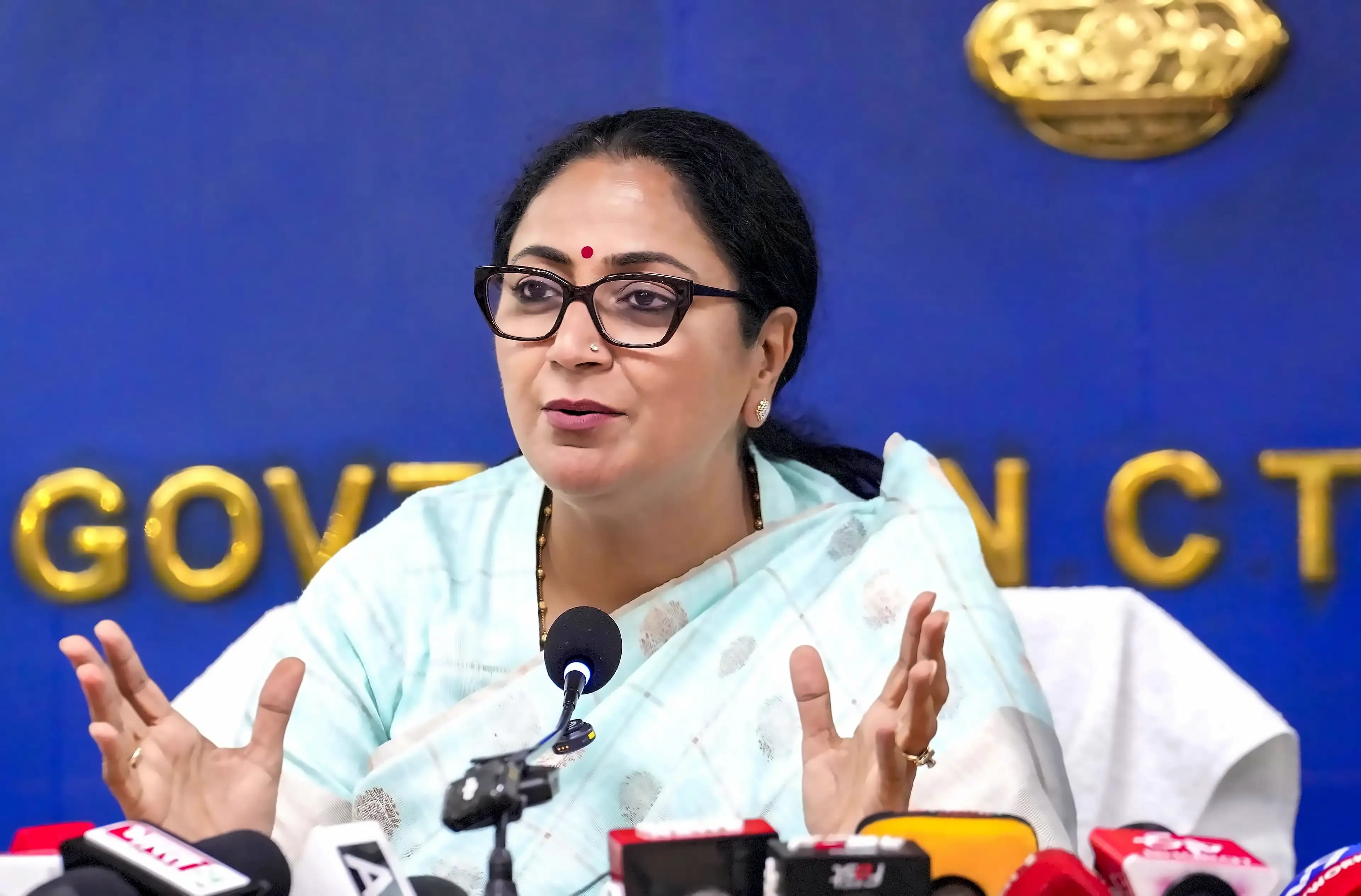
Delhi Chief Minister Rekha Gupta announced comprehensive fuel-saving measures on Thursday in response to rising global tensions triggered by the Iran war crisis and growing concerns over fuel security. Addressing a press conference, the chief minister said the measures were aimed at reducing dependence on petrol and diesel while promoting sustainable public transport and digital governance practices. The announcements come at a time when governments across the world are closely monitoring the impact of the Iran conflict on global crude oil supply chains and energy prices, with Delhi's measures being seen as one of the most aggressive fuel-conservation drives announced by a state government in recent years. The measures were announced days after PM Modi called for a 'people's movement' to conserve energy, linking the initiative to the 'Mera Bharat, Mera Yogdan' campaign.
Under the new directive, government employees will work from home for two days every week, with Gupta emphasizing that "In Delhi, every week, work-from-home will be there for two days. Every company will observe this". The Delhi government also announced the launch of "Metro Monday", under which all ministers and government officials will commute exclusively by the Delhi Metro every Monday. As reported by Business Standard, colleges and universities in the national capital will also be encouraged to switch to online mode wherever possible, with Gupta urging "colleges and universities to go online for less important courses" and "courts to use online hearings" to reduce travel and fuel usage. The administration has also proposed shifting 50% of official meetings online, with universities and colleges advised to conduct non-practical classes and administrative work virtually. All departments have to implement the work-from-home mandate, except those engaged in essential services such as hospitals, fire services, prisons, public transport and utilities. Starting tomorrow, there will be a 20% reduction of petrol allowance for government officials, with the labour department closely monitoring implementation. Private companies will also be advised to implement work-from-home for two days, expanding the initiative beyond government operations.
The government has implemented revised office timings to decongest traffic. Delhi government offices will function from 10:30 a.m. to 7 p.m., while Municipal Corporation of Delhi (MCD) offices will operate from 8:30 a.m. to 5 p.m., as opposed to the previous timing of 10:00 a.m. to 6:30 p.m. According to the announcement, every Monday will be observed as 'Metro Monday', with officials and residents encouraged to use the Delhi Metro and other public transport systems. To support last-mile connectivity, a route plan for 58 feeder buses has been prepared to connect 29 government colonies with nearby Metro stations. Traders and logistics operators have been advised to shift freight movement from road to rail wherever feasible to cut diesel consumption. Citizens have been urged to observe a voluntary weekly 'No Vehicle Day' and adopt carpooling or public transport to reduce fuel consumption. The Public Works Department (PWD), Delhi Jal Board and the irrigation and flood control department have issued formal orders directing officials to prioritise virtual meetings, promote electric mobility and observe a weekly 'No Car Day'. Office timings have also been standardised across departments, with MCD offices starting at 8:30 am, Delhi Government offices at 10:30 am, and Central Government offices operating from 9:00 am to 5:30 pm.
The government has introduced financial incentives to encourage public transport usage. Officials using public transport will receive additional transport allowance, while employees who spend at least 20% of their transport allowance on metro, DTC, or public transport cards will receive a 10% incentive. The Delhi government has imposed a six-month moratorium on purchase of new government vehicles, with Gupta confirming that "the Delhi government will not purchase any new vehicles for the next six months". The chief minister also announced that domestic travel expenditure by the Delhi government will be reduced by 20%, while all official foreign visits by ministers and officials have been suspended for one year. Government vehicle fuel usage is targeted to be reduced by 20%, bringing average consumption down from 250 litres to 200 litres in designated operations. Officials' petrol limits of 200–250 litres per month have been reduced by 20% to 160-200 litres. The Delhi Labour Department will set up a single-window help desk and call centre to support implementation. All planned events have been cancelled and all ministers and officials will not go for official foreign visits for one year starting tomorrow.
The government has implemented comprehensive energy efficiency measures in government offices. Energy efficiency measures will include mandatory air conditioning settings between 24-26°C and installation of sensor-based master switches to reduce electricity usage. The government will also roll out a 90-day 'Mera Bharat, Mera Yogdan' campaign from Friday, including dedicated sections in malls and supermarkets, a verified list of domestic products, and outreach across schools, colleges, RWAs and institutions. Chief Minister Gupta has scaled down her own official convoy to four vehicles and prioritised the use of electric vehicles and public transport. Large public events and conferences will be avoided for the next three months as part of the broader austerity exercise. The campaign will encourage malls, supermarkets, and large retail markets to create dedicated 'Made in India' sections, with a verified list of domestic daily-use products and electronics being prepared. Government procurement will prioritise Indian-made products in accordance with existing rules. The government aims to conduct at least 50% of meetings in the Delhi Secretariat and directorates through video conferencing, with colleges encouraged to shift selected non-practical classes online. Under the new plan, Delhi government ministers and officials will not undertake any official foreign visits for the next one year, while public events and conferences will also be reduced.