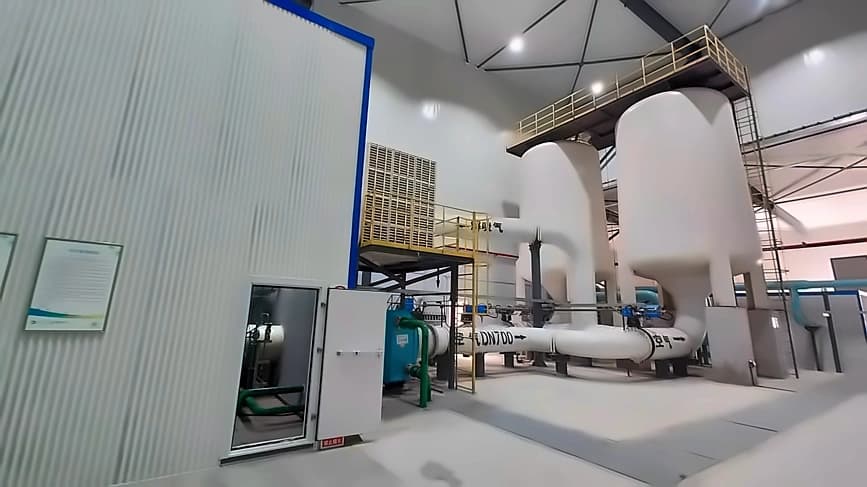
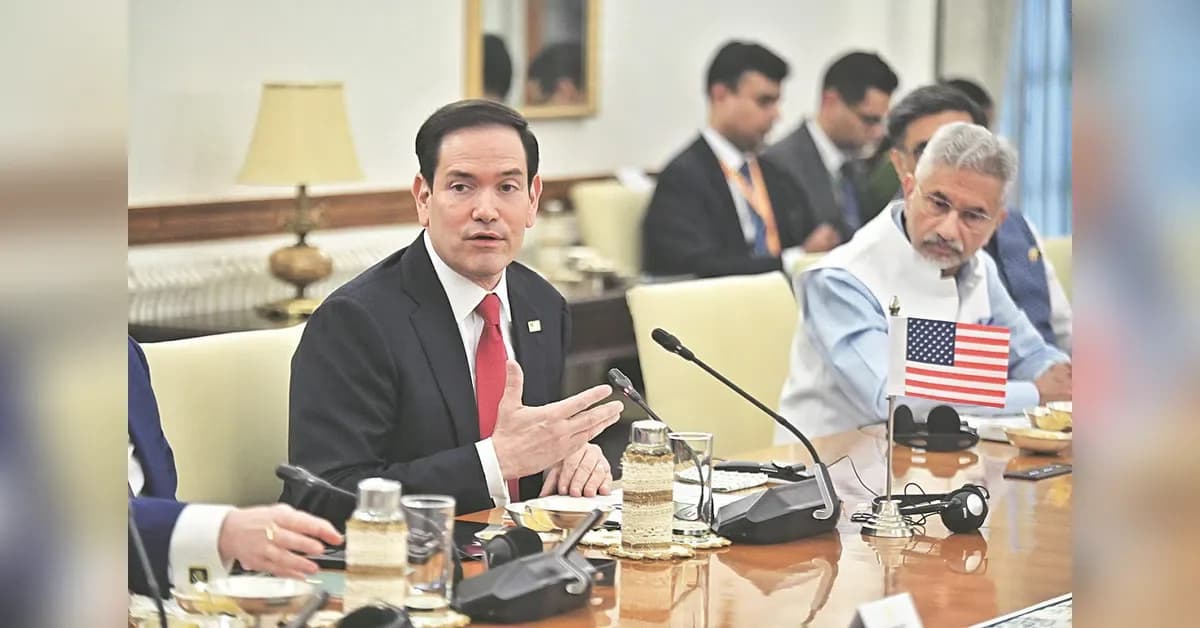
The first application window under the Centre's ₹37,500 crore coal gasification scheme will close on September 7, marking a critical milestone for India's domestic coal utilization efforts. According to reports from Business Standard, the scheme, approved by the Union Cabinet on May 13, aims to accelerate coal and lignite gasification and encourage production of higher-value products including syngas, methanol, ammonia and urea from domestic resources. Talcher Fertilisers Limited (TFL) and NTPC Limited have already submitted applications through the online portal, with other potential applicants preparing their projects and finalizing proposals.
Indian solar panel manufacturers are facing severe production disruptions due to China's export restrictions on solar manufacturing technology, with the crisis deepening as manufacturers struggle to establish domestic alternatives. As reported by Reuters, nearly a third of India's 140 small- and medium-sized solar panel makers, which make up 60% of manufacturing capacity, have halted output and the rest have cut production cycles to three to four days. The disruptions, triggered by rules that took effect on June 1, threaten thousands of jobs and investment of nearly $4 billion. Manufacturers lacking cell manufacturing facilities face waiting periods of up to six to eight months for domestic cells, boosting the cost of domestically made solar panels to almost double those using Chinese cells. At least three solar module makers have temporarily halted production for lack of domestically made cells, while four more have cut capacity to about a third, according to manufacturers who spoke to Reuters anonymously due to fear of Chinese government reprisal.
The Commerce and Industry Ministry is conducting stakeholder consultations on a proposal to liberalize FDI rules in the plantation sector, as reported by Business Standard. The discussions are examining bringing more commercial crops under the existing FDI framework, which currently allows 100 per cent FDI through automatic route in tea, coffee, rubber, cardamom, palm and olive oil tree plantations. FDI is not currently permitted in other plantation activities. Between April 2000 and March 2026, India received $295.23 million in FDI in tea and coffee, while rubber goods attracted $3.93 billion. As per estimates, India is the largest banana producer globally with over 30 million tonnes annually, positioning the sector for potential expansion under the proposed liberalization.
India is targeting banana exports of $1 billion in the coming years, despite currently holding only around 1 per cent share of global banana exports despite being the world's largest banana producer with 26.45 per cent of global production. According to Business Standard, India exported bananas worth $377.5 million in 2024-25, representing approximately 30 per cent growth from the previous year. The government is actively working to expand agricultural exports in this sector.
India's foreign exchange reserves data will be released on September 11, providing insights into the country's external financial position. As reported by Business Standard, India's forex reserves rose by $11.47 billion to $740.80 billion in the week ended August 28, according to the Reserve Bank of India. Foreign currency assets, the largest component of the reserves, increased by $9.337 billion during the week to $600.67 billion.