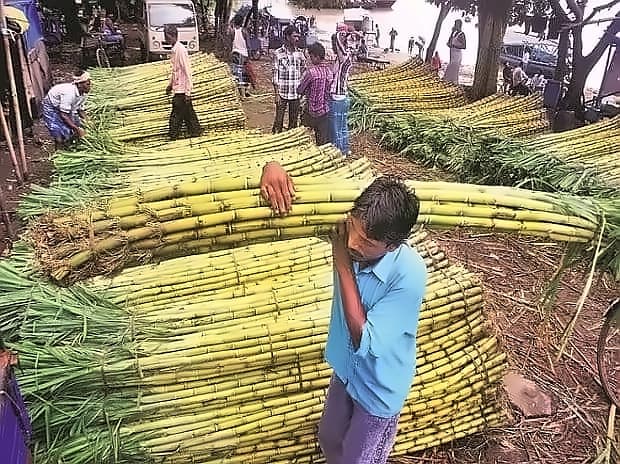
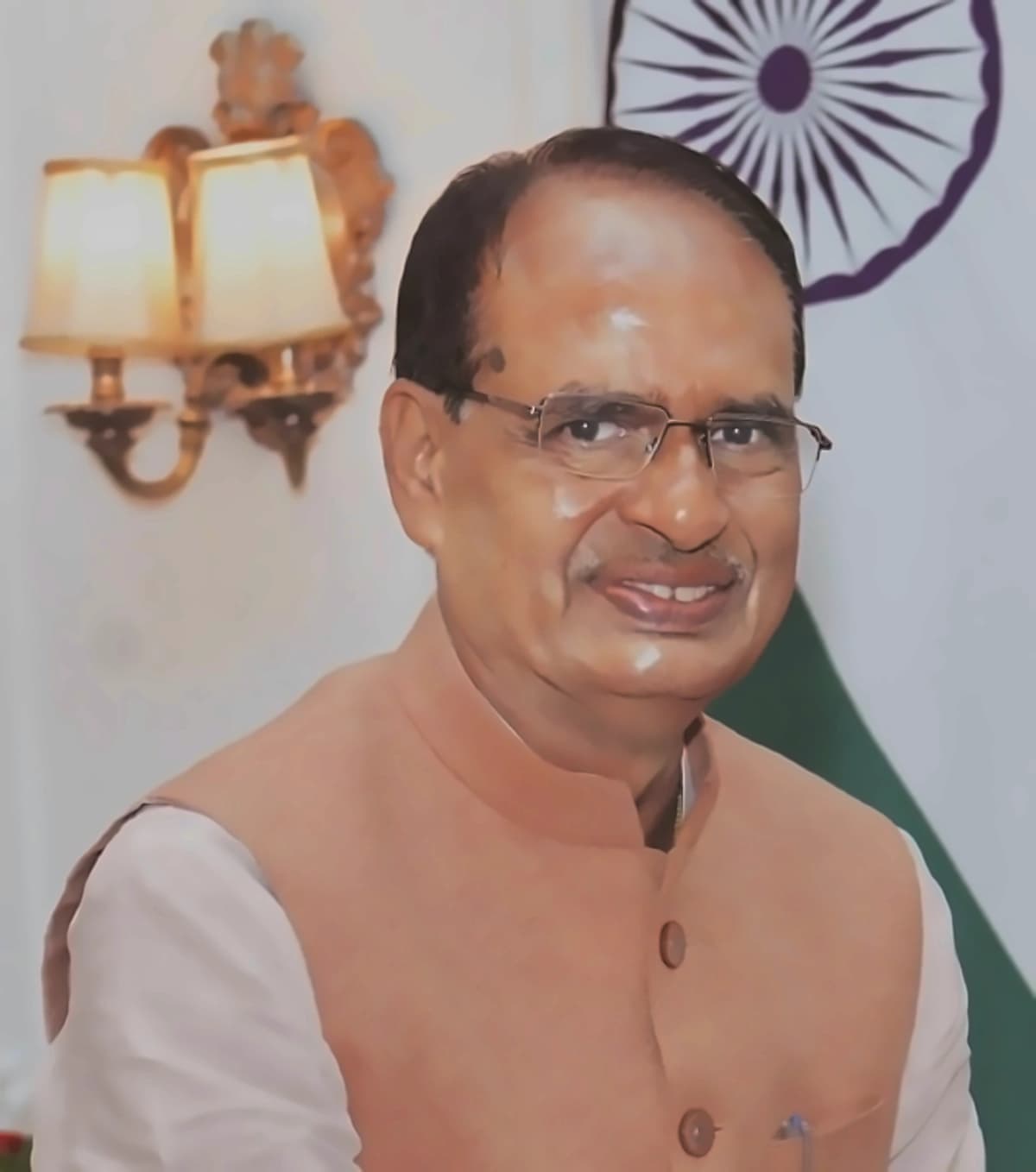
Agriculture Minister Shivraj Singh Chouhan has voiced strong support for the ethanol programme, emphasizing its potential to boost farmers' incomes and energy security. According to reports from Business Standard, Chouhan addressed a group of farmers under the banner of the All India Kisan Coordination Committee (AIKCC) during a recent meeting at Krishi Bhawan in New Delhi on Tuesday. The minister highlighted that the ethanol policy presents a significant opportunity for Indian agriculture, provided the policy remains farmer-centric and ensures remunerative prices reach cultivators directly rather than intermediaries or companies. As per the official release from the Ministry of Agriculture and Farmers' Welfare, Chouhan remarked that ethanol would strengthen both the nation's energy security and the farmers' financial well-being, emphasising that the government is committed to ensuring no injustice occurs regarding any specific crop or state.
Chouhan outlined the government's objective to ensure that the ethanol programme benefits the entire value chain—from farms to fuel tanks. The minister stressed that farmers should receive the largest share of the gains from the programme. He emphasized that ethanol would strengthen both India's energy security and farmers' incomes while ensuring that no crop or state is treated unfairly. The policy approach aims to maintain balance between demand and prices for various ethanol feedstocks including maize, rice, and sugarcane. According to the official release, Chouhan stated that the Central Government's vision is clear: the benefits of the ethanol program should extend across the entire value chain--from the farm to the fuel tank--but the largest share of the benefit must go to the farmers.
According to the minister's statements reported by Business Standard, Chouhan assured the delegation that the government would review policies to maintain a balance between demand and prices for different ethanol feedstocks. Decisions would be guided by farmers' interests, particularly those of maize growers. The minister added that scientific studies and technical reports would be used to counter misinformation, and the government would engage with farmers through fact-based communication to ensure transparency in policy implementation. As per the official release, Chouhan assured that the policy would be reviewed to maintain a balance between the prices and demand for maize, rice, sugarcane, and other feedstocks. The Minister also said the government would rely on scientific studies and technical evidence to counter misinformation surrounding ethanol and would continue engaging with farmer organisations to promote fact-based discussions on the subject.
Farmer leaders from across the country, including representatives from Punjab, Haryana, Maharashtra, Uttar Pradesh, Madhya Pradesh, Telangana, Tamil Nadu, and other states, clearly expressed their support for ethanol during the meeting. According to the official release, farmer leaders clarified that ethanol would allow farm produce to reach beyond the mandi (wholesale market) to petrol pumps and the energy market, thereby creating a robust new market for farmers. Producing ethanol from crops like sugarcane, maize, and rice would provide farmers with more buyers and reduce issues related to crop spoilage or storage. However, farmer representatives emphasized the necessity of ensuring fair prices for any crop involved, whether maize or sugarcane. Lalit Patil Bahale, Shetkari Sanghatana president, noted that asking for ethanol production is not just for farmers but for the country, and expressed interest in harvesting the demographic dividend through technology like genetic engineering and AI for higher ethanol levels.
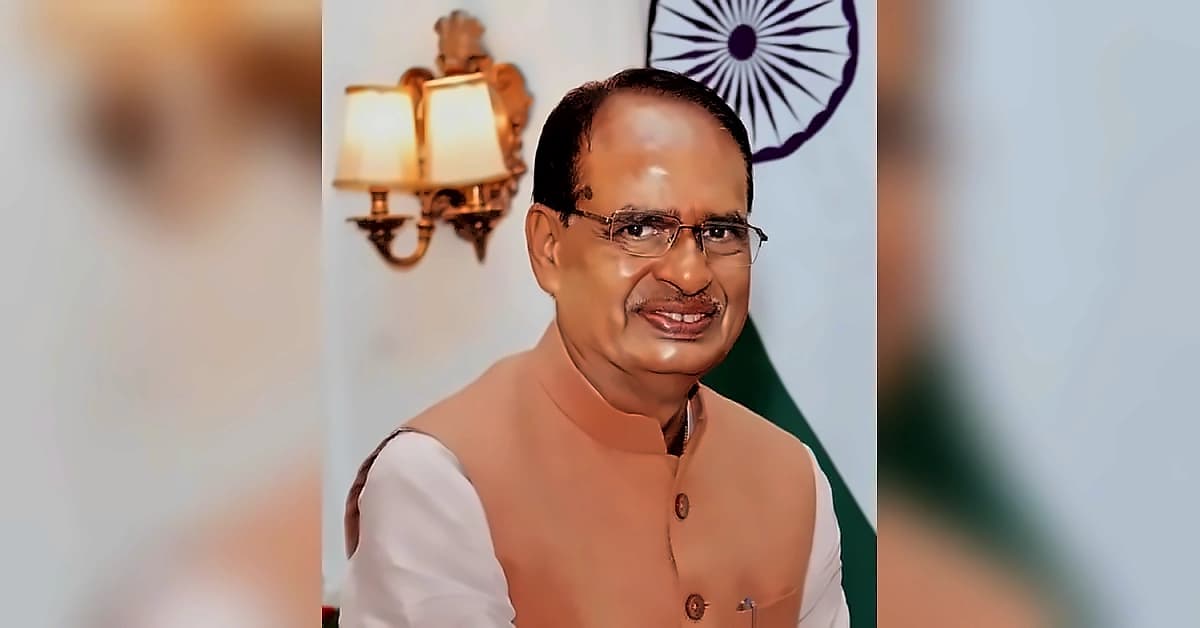
Several farmer leaders noted that misinformation regarding ethanol is being spread on social media and other platforms, claiming it harms vehicles or causes losses to farmers. They demanded that the Ministry of Agriculture and farmer organisations collaborate to clearly explain which crops would benefit from ethanol and how the shift from water-intensive crops to drought-resistant ones could be facilitated. As per the official release, they emphasised the need to present an accurate picture of ethanol to the younger generation through formats like Reels, short videos, and grassroots meetings. At the conclusion of the meeting, representatives of the AIKCC stated that they would carry the government's message to every village that misconceptions regarding ethanol would be dispelled through facts and ground-level experience, and that they would work alongside the government to strengthen the policy-making process in the interest of farmers. Chouhan also conveyed a clear message that farmer organisations are not adversaries of the government but partners in policy-making.