The Centre is planning to amend the Medical Devices Rules, 2017 to deregulate retail distribution of basic, low-risk medical devices and first-aid products. According to reports from Mint, retail general stores and grocery outlets may soon be allowed to sell home-use medical devices such as pulse oximeters, blood pressure monitors, glucometers, pregnancy test kits, thermometers and basic bandages over the counter without a separate sale licence or registration certificate. The proposal was deliberated upon and recommended for approval at a meeting of the Drugs Technical Advisory Board (DTAB) last month.
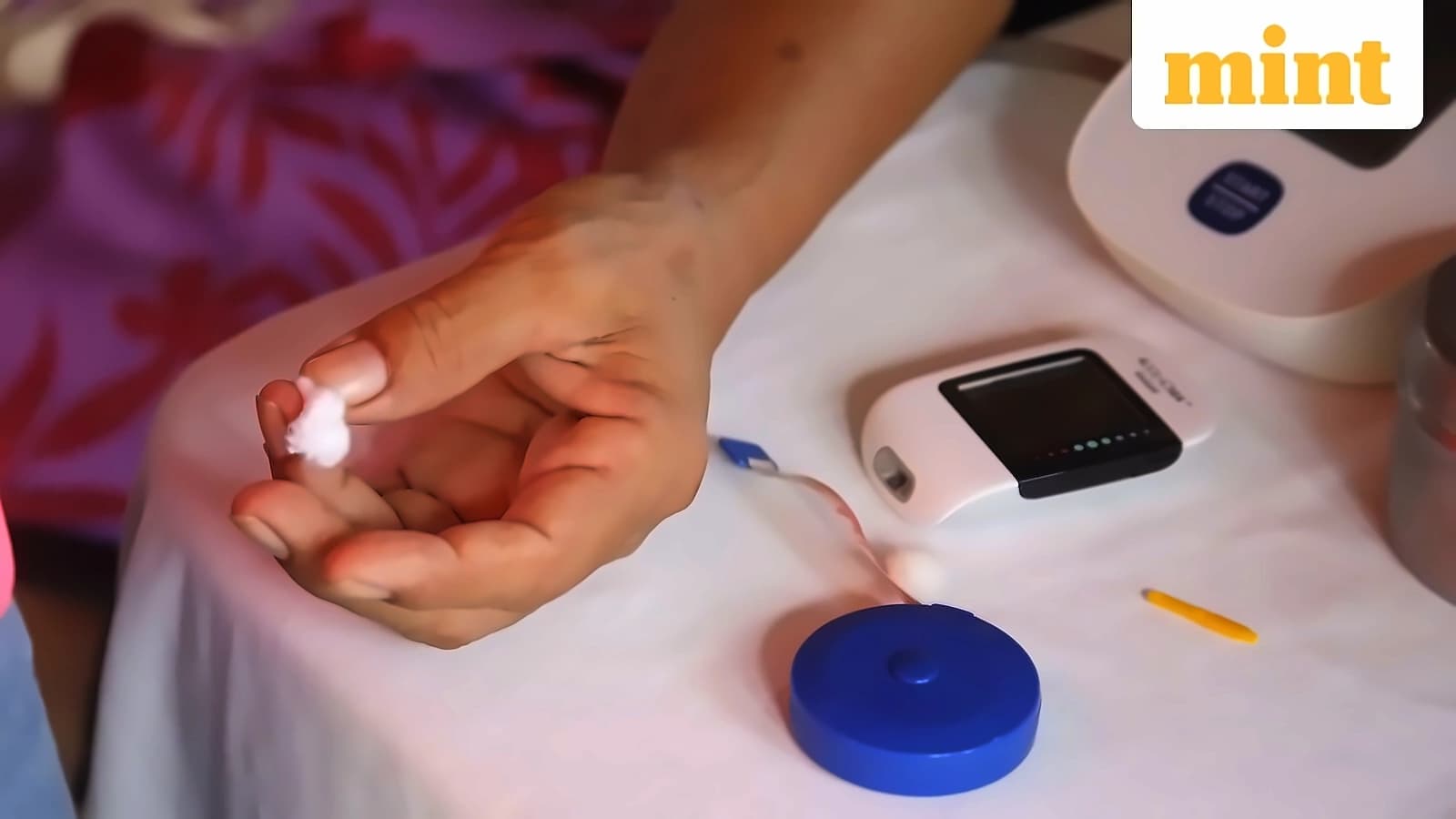
The reform targets India's $14 billion medical device sector, with the proposal covering Class A devices considered low-risk products such as absorbent cotton, surgical dressings, bandages and digital thermometers, as well as select Class B devices including digital blood pressure monitors, pulse oximeters, glucometers and rapid urine pregnancy test kits. As reported by Mint, higher-risk Class C and D devices, including ventilators, dialysis machines, orthopaedic implants and infusion pumps, will continue to be subject to licensing and other regulatory requirements. The Union health ministry will soon issue a draft notification for stakeholders' comments.
The proposal follows representations from quick-commerce firms, including Zepto, and industry bodies such as the Federation of Indian Chambers of Commerce & Industry (Ficci) and Surgical Manufacturers & Traders Association (SMTA). According to Mint, while quick commerce currently delivers many of these healthcare items, they operate under a continuous regulatory framework requiring separate retail registrations for every microwarehouse. Omron Healthcare India Pvt. Ltd welcomed the wider accessibility, stating it could help make home health monitoring a more integral part of everyday life. However, Rajiv Singhal, general secretary of All India Organisation of Chemists and Druggists (AIOCD), representing 1.2 million chemists, expressed concerns about reliability and patient safety, particularly for diagnostic products like pregnancy test kits.
As reported by Mint, the wider accessibility as seen in developed markets like Japan, US, and Europe can help make home health monitoring a more integral part of everyday life. Rajeev Sharma, vice-president of Tata 1mg, said devices such as thermometers, BP monitors and pulse oximeters are increasingly becoming part of routine home healthcare. Madhivanan Balakrishnan, CEO of Apollo 24|7, noted that wider access to home-monitoring devices could encourage preventive care and chronic-disease management, supporting better preventive and chronic-care habits.