The Union Cabinet has officially approved the major reform to upgrade rice quality standards under the Pradhan Mantri Garib Kalyan Anna Yojana (PMGKAY). According to the latest reports, this marks the first major revision in nearly three decades for India's food security system, representing a historic structural upgrade aimed at ensuring premium, uniform grain quality and improved processing standards for all eligible families. The reform is part of a broader effort to transform the public distribution system (PDS) from a conventional subsidy-based model into a technology-enabled and transparent delivery framework. As confirmed by the government, the changes are designed to ensure optimal utilisation of resources while maintaining the dignity of beneficiaries and improve the overall efficiency of the food security architecture through stronger quality checks and technology-driven processes. Union Minister Prahlad Joshi confirmed this as "the first time in nearly three decades that the quality standards for rice distributed under #PMGKAY have been upgraded, ensuring better-quality food with dignity for over 80 crore beneficiaries."
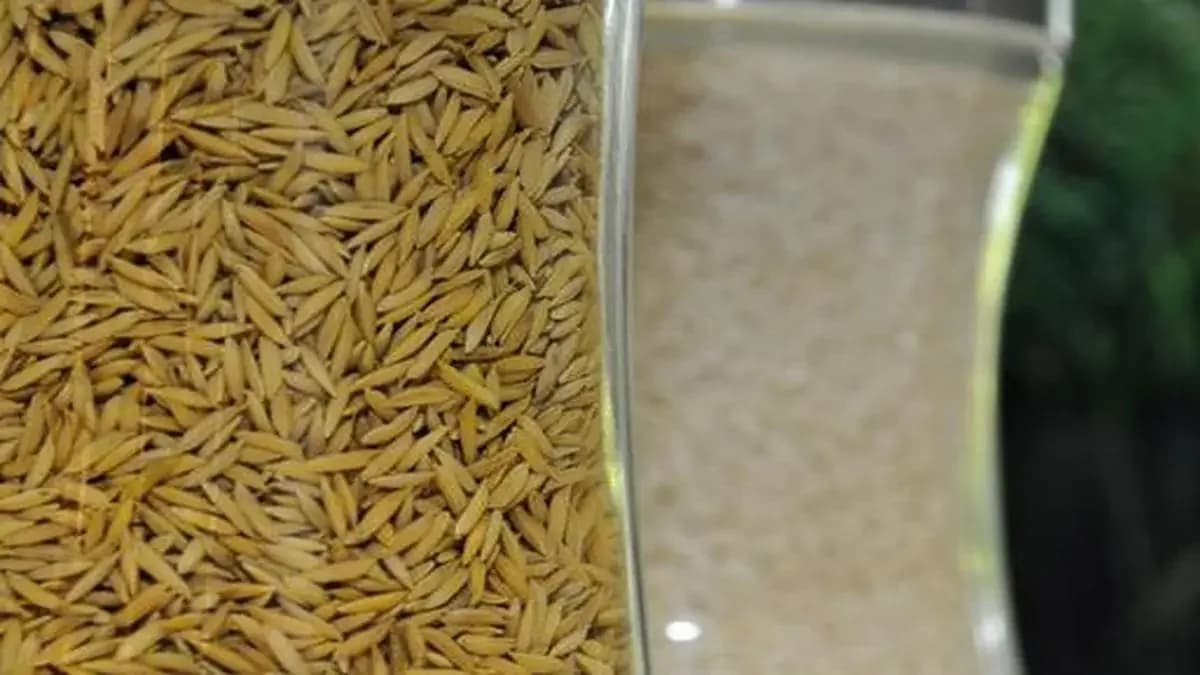
The Centre on Wednesday implemented a historic structural upgrade in rice quality standards under the Pradhan Mantri Garib Kalyan Anna Yojana (PMGKAY). According to the Ministry of Consumer Affairs and Food Processing, the government has drastically reduced the share of broken grains in PDS rice from the earlier permissible 25% down to 10%. For par-boiled rice, the percentage has been cut to 5% from 16%. This marks the first major revision in nearly three decades for India's food security system, ensuring premium, uniform grain quality and improved processing standards for all eligible families. The government said procurement of the improved-quality rice will begin immediately and will be rolled out across all procuring states in a phased manner by the Kharif Marketing Season (KMS) 2027-28. Union Minister Prahlad Joshi emphasized that this represents a "landmark reform reflects the government's commitment to delivering superior quality, ensuring optimal utilisation of every grain, enhancing transparency through QR-based traceability, and improving efficiency through prudent cost rationalisation."
The policy change will directly benefit more than 80 crore public distribution system (PDS) beneficiaries who receive their monthly entitlement through ration shops. As reported by Business Standard, Union Food Minister Prahlad Joshi confirmed that the move will ensure these beneficiaries receive better quality rice through their monthly entitlement of 5 kg of rice or wheat distributed free of cost every month under the PMGKAY scheme. Under the updated norms, beneficiaries will continue to receive the same food grain entitlement, but with improved quality standards. The reform maintains the existing food grain entitlement structure while enhancing quality standards and transparency across the distribution network. "Every eligible family will continue to receive the same entitlement under PMGKAY, now with significantly improved quality," the minister asserted. Under the National Food Security Law, the government distributes 5kg of foodgrains (rice and wheat) per person per month free of cost, while those covered under Antyodaya Anna Yojana (AAY) category get 35 kg per month per family.
The upgraded PDS rice now includes essential micronutrients — Iron, Folic Acid and Vitamin B12 to combat malnutrition and anemia among beneficiaries. According to the Ministry of Consumer Affairs and Food Processing, this represents a historic and transformative decision to further strengthen India's food security architecture. The enhanced nutritional content ensures that beneficiaries receive not only improved quality but also essential nutrients for their health and wellbeing. The decision comes as part of the government's ongoing efforts to ensure that food security programmes deliver not only adequate quantity but also improved quality to eligible households.
The Centre has approved productive utilisation of broken rice separated during milling for industrial uses, instead of distributing it under the public distribution system. Food Secretary Sanjeev Chopra had previously indicated in March that reducing the broken rice content under the public distribution system would free around 90 lakh tonnes of broken rice annually for the ethanol sector. As reported by Upstox News Desk, "Climate change is a reality. We need to make sure the supply chain is not disrupted. A steady supply of broken rice to the ethanol sector will help ensure that," the food secretary stated at the All India Distillers Association (AIDA) conference. The surplus broken rice will also be auctioned to animal feed manufacturers and other users, with the government stating that the reform would rationalise transportation, storage and handling costs as broken rice would be auctioned directly from millers' premises and stored in HDPE bags instead of jute bags. The changes are expected to result in annual savings of around ₹2,161 crore through lower logistics, storage and packaging costs, with additional revenue from the sale of broken rice further helping reduce the food subsidy burden.
The government has integrated QR-based traceability tracking across the supply chain, allowing for end-to-end verification of grain batches and preventing pilferage while maintaining accountability. The upgraded system will also promote greater transparency through QR-based traceability mechanisms, enabling better monitoring of grain movement from procurement to distribution. This technological enhancement is linked with wider reforms under the Rs 25,530 crore SARTHAK-PDS programme, which focuses on modernising the distribution network, reducing leakages and improving efficiency through digital interventions. The system enables real-time monitoring of grain movement from procurement to distribution, enhancing the overall transparency and effectiveness of the PDS system.