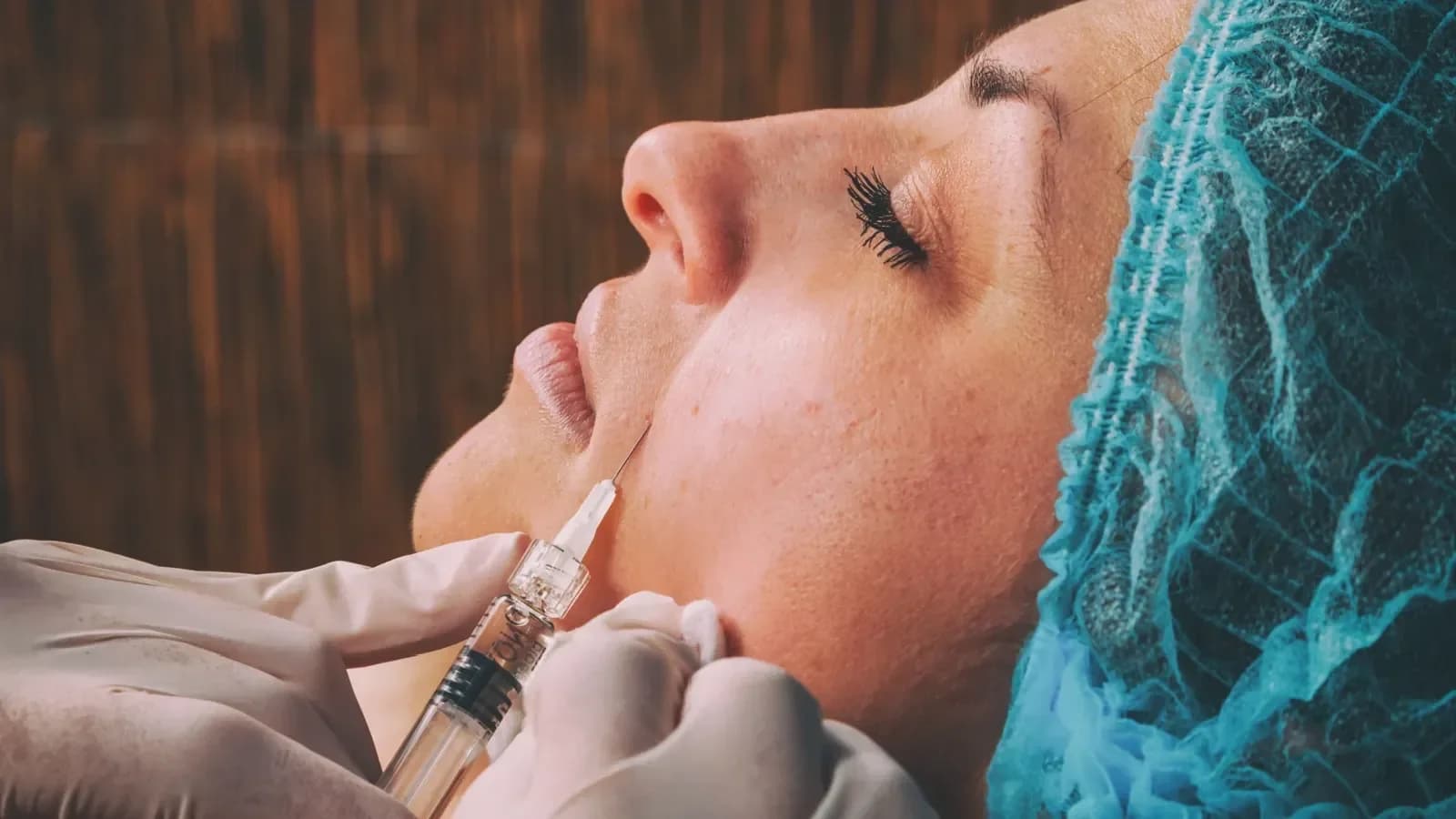
The Central Drugs Standard Control Organisation (CDSCO) has issued a clear directive that cosmetic products supplied in injectable form do not fall under the definition of cosmetics under the law and are not permitted for use by consumers, professionals or aesthetic clinics. According to reports from Business Standard, this clarification was made through a public notice issued on May 18, 2026, aimed at preventing misuse of cosmetic products for treatment purposes and ensuring consumer safety. The advisory comes amid the booming popularity of non-surgical aesthetic treatments being promoted as "cosmetic" procedures in beauty clinics and wellness centres across the country.
As reported by Business Standard, the regulator defined cosmetics as products intended to be 'rubbed, poured, sprinkled or sprayed' on the body for cleansing, beautifying, promoting attractiveness or altering appearance. The notice emphasized that 'products supplied in form of injectable preparation do not fall under the definition of cosmetics' and that 'no cosmetic is permitted to be used as injection by consumer/professionals/ aesthetic clinics'. Under the Drugs and Cosmetics Act and Cosmetics Rules 2020, cosmetics are defined as products intended only for topical application, with injectable preparations falling entirely outside this legal framework.
According to the CDSCO notice reported by Business Standard, cosmetics are permitted only for their intended use and cannot be used for treatment purposes by professionals or individuals. The regulator warned against misleading claims and the use of prohibited ingredients in cosmetic products, stating that such violations attract action under the Drugs and Cosmetics Act and Cosmetics Rules, 2020. The notice also referenced the list of generally not recognised as safe (GNRAS) and restricted ingredients published by the Bureau of Indian Standards (BIS). With aesthetic clinics and beauty centres mushrooming across Indian cities and social media influencers promoting injectable treatments as safe cosmetic alternatives, the CDSCO's warning serves as a critical reminder that regulatory boundaries around such procedures exist and will be enforced.
As reported by Business Standard, the CDSCO notice encouraged the public to report violations or misleading practices to the regulatory authority through email or state licensing authorities. The move is specifically designed to curb misleading advertising and unauthorised cosmetic practices by clinics and individuals operating outside the regulatory framework. With the growing trend of non-surgical aesthetic procedures in urban centres and aggressive social media promotion, the regulatory action aims to ensure that cosmetic products are used only for their intended purposes and that treatment procedures remain under proper medical supervision.