India's drug regulator has issued a stern warning against the use of cosmetic products for injection purposes, marking a significant shift in cosmetic regulation. According to reports from Upstox News Desk, the Central Drugs Standard Control Organisation (CDSCO) issued a public notice on May 18 clarifying that injectable cosmetic products do not fall within the legal definition of cosmetics under the Drugs and Cosmetics Act, 1940. The regulator stated that 'No cosmetic is permitted to be used as injection by consumer/professionals/aesthetic clinics' in the notice issued by the Drugs Controller General of India. This regulatory action comes as GLP-1 drugs, the prescription medications used to manage type 2 diabetes and obesity are increasingly used as injections for cosmetic purposes globally, with similar trends expected to emerge domestically.
The CDSCO has established clear boundaries for cosmetic usage, defining them as products intended for 'rubbed, poured, sprinkled or sprayed' on the human body for cleansing, beautifying, promoting attractiveness or altering appearance. As reported by Upstox News Desk, the regulator emphasized that 'Cosmetics are permitted to be supplied for its intended use as defined in the definition; no cosmetic is permitted to be used in treatment by professionals/individuals'. The notice specifically prohibits cosmetics from being used for treatment purposes by professionals or individuals, marking a clear distinction between cosmetic and therapeutic applications. The regulator confirmed that 'The manufacture and import of cosmetics for sale and distribution is regulated under the provisions specified under the Cosmetics Rules, 2020'.
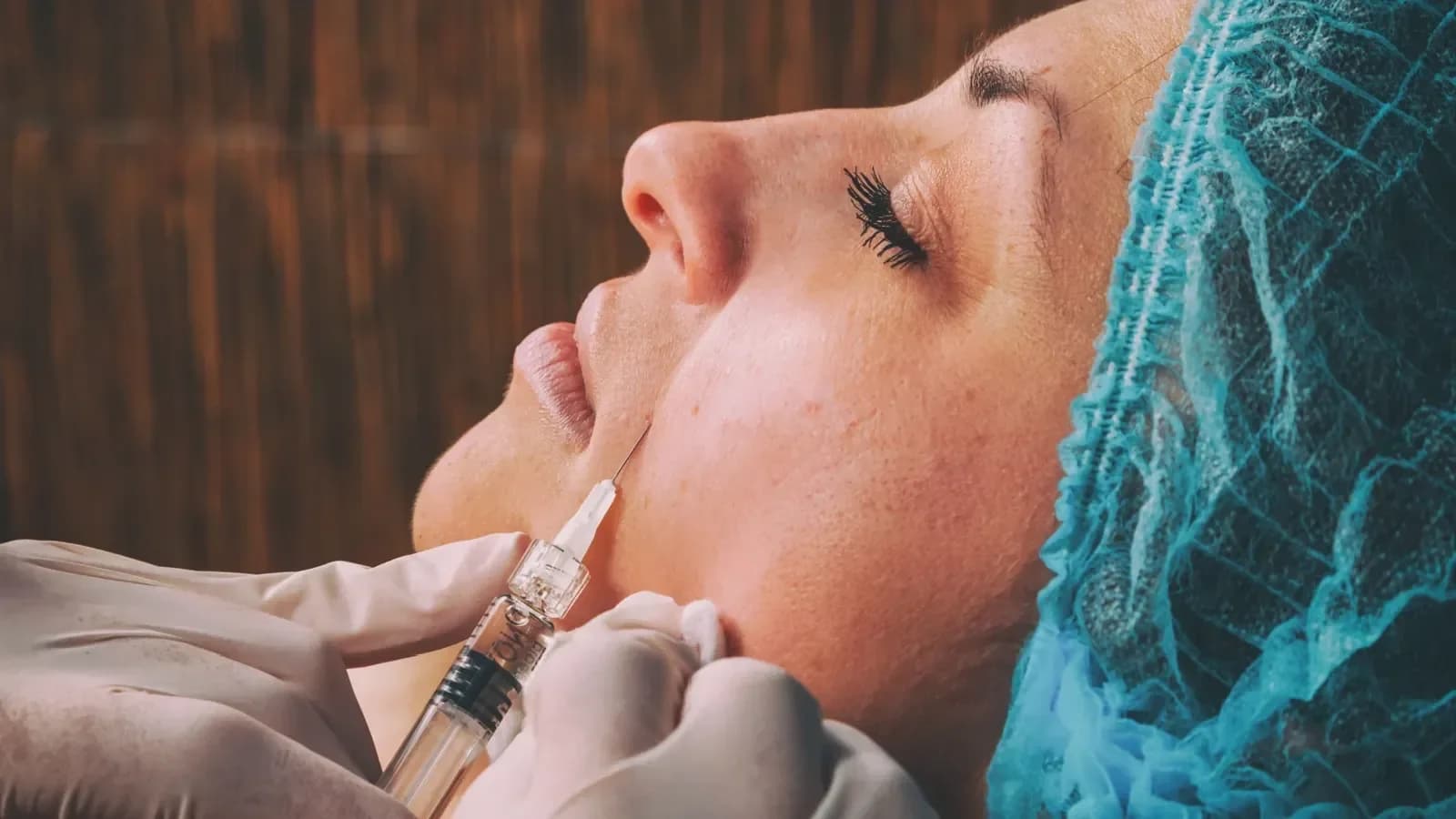
The regulatory framework establishes strict penalties for non-compliance with cosmetic regulations. According to the CDSCO notice, 'The use of prohibited ingredients in cosmetic products, misleading claims on labels, use of cosmetics for treatment and application of cosmetics through injection would amount to violations under the Drugs and Cosmetics Act and Cosmetics Rules, 2020'. The regulator has also mandated that 'No cosmetic label should carry false or misleading claims' and warned against altering or defacing inscriptions made by manufacturers on containers or packaging. The CDSCO has published the list of 'generally not recognised as safe (GNRAS)' and restricted ingredients for cosmetics through the Bureau of Indian Standards.
The regulatory crackdown is expected to have significant implications for the aesthetic clinic ecosystem and pharmaceutical industry. As reported by Upstox News Desk, the 'crackdown on cosmetic injectables may raise scrutiny for aesthetic-focussed pharma and clinic ecosystem'. The advisory comes as weight loss injectables are reportedly being used for cosmetic purposes, with brides and grooms looking to shed pounds before weddings becoming the latest consumer target for weight-loss drugs in India. According to a report by Reuters, several clinics are allegedly offering weight-loss injections as part of 'pre-wedding' transformation packages, which typically focus on skin treatments and hairstyle makeovers. The CDSCO has urged 'consumers, professionals, importers and manufacturers to report any such violations to the regulator or state licensing authorities', indicating an active enforcement approach.