The Central Board of Indirect Taxes and Customs (CBIC) has identified reducing cargo stay times and eliminating trade barriers as its major operating priorities for the current fiscal year. According to Yogendra Garg, member (Customs), CBIC, as reported by ANI, India will concentrate on eliminating trade-related bottlenecks during the current fiscal year because, despite yearly advances, cargo dwell times continue to exceed international norms. Garg stated that cutting stay times remains a top priority for customs officials, emphasizing that despite year-after-year improvements, India is still far from global best practices. Speaking on the sidelines of an outreach event on legislative changes for the express industry, Garg told ANI that "although we have been cutting dwell times year after year, we are still far from the best in the world; hence, this fiscal year, we would like to remove obstacles."
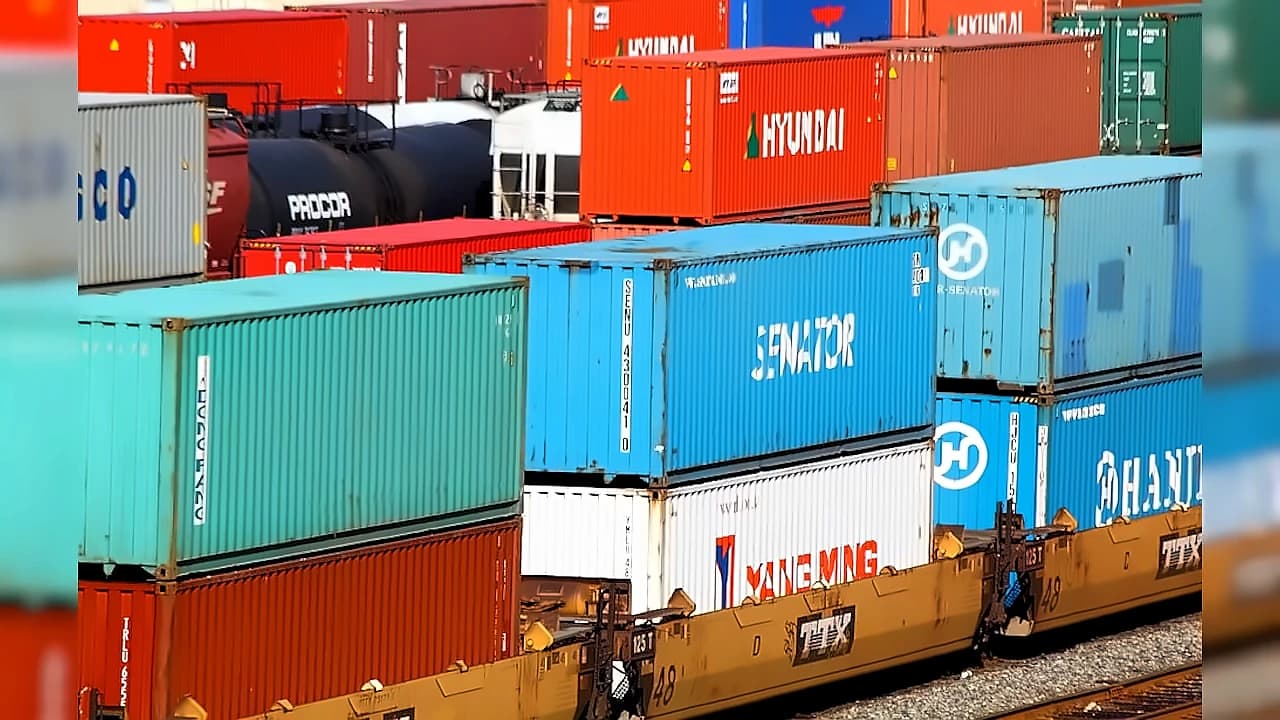
CBIC is implementing artificial intelligence (AI) technology to significantly impact cargo handling and customs inspections. As reported by ANI, Garg announced that all containers will be examined and AI will analyze the scanned photographs. This AI-based analysis will improve risk assessment, decrease manual intervention, and expedite customs processes, removing friction points and substantially reducing dwell times when implemented. Garg emphasized the importance of technology by stating that "cargo handling and customs inspections will be significantly impacted by artificial intelligence (AI)" and that "AI-based analysis of scanned photos of containers will improve risk assessment, decrease manual intervention, and expedite customs processes." He added that "that will remove the friction points, so we expect that substantial dwell time will be reduced when it is put in place."
The government's recent budget addressed several long-standing demands of the express courier sector, with elimination of the ₹10 lakh value cap per package for exporting via courier being a major reform. According to Garg's statements to ANI, this action was especially crucial for industries like jewellery and gems that export expensive goods. The first major reform addresses the value limit of ₹10 lakh per parcel, which was a long-standing demand, especially from the gems and jewellery sector. Additionally, the budget introduced return-to-origin (RTO) option for courier consignments to address issues facing the e-commerce industry. Garg stated that "the return-to-origin channel is always necessary for couriers. We have now added measures for return-to-origin because there were certain issues with Indian e-commerce."
Garg's comments were made during an outreach campaign designed to seek input from the business community and increase awareness of policy changes for the express courier industry in Union Budget 2026-2027. As reported by ANI, the initiative aims to enhance understanding of the legislative changes and their impact on cross-border trade facilitation and competitiveness. According to Garg, the government's most recent budget addressed several long-standing demands of the express courier industry, with "We took into account the long-standing demands of the express courier industry in this budget." The outreach event was specifically designed to seek input from the business community and increase awareness of policy changes for the express industry.