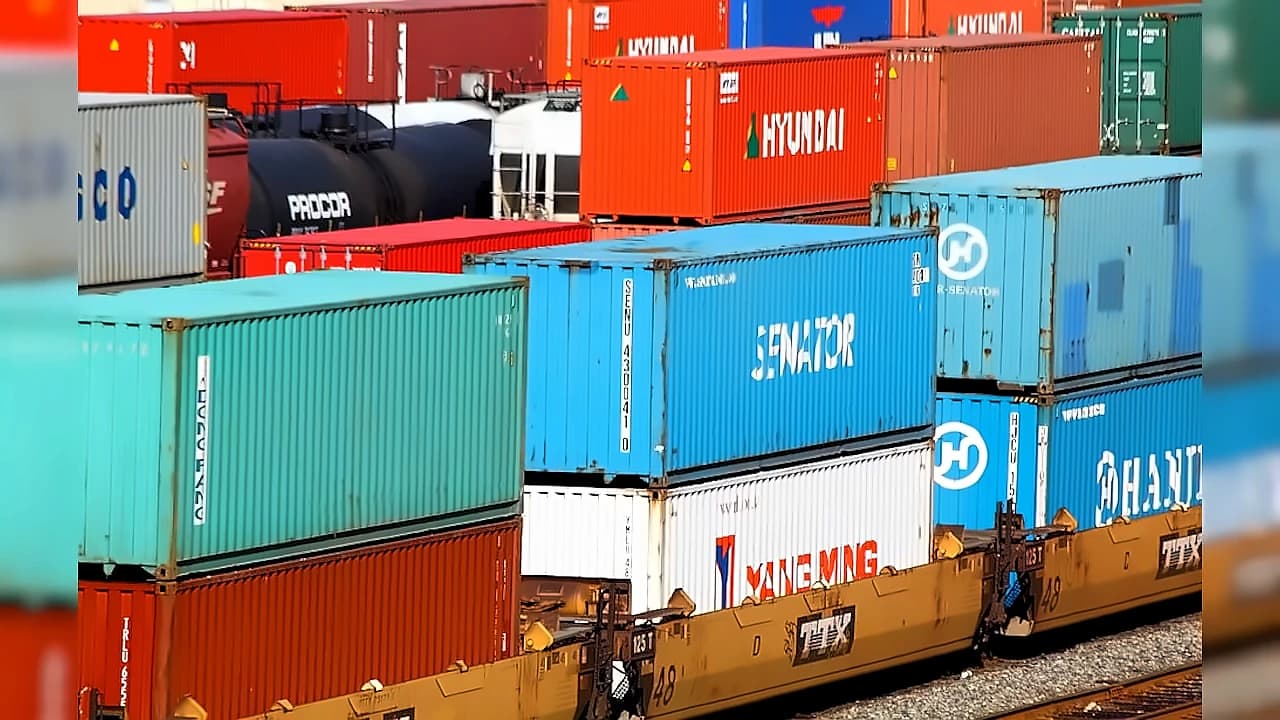
The Central Board of Indirect Taxes and Customs (CBIC) chairman Vivek Chaturvedi has called for accelerated deployment of artificial intelligence, machine learning, and real-time analytics to reduce physical interface with trusted taxpayers. According to reports from Business Standard, Chaturvedi outlined five pillars for the Customs department to follow over the next decade, emphasizing the creation of a 'unified, trusted taxpayer ecosystem' that records consistent compliance by businesses in GST, customs and other indirect tax payments. As per Business Standard, Chaturvedi stated that technology should act as a 'great enabler' for customs operations, with the ambition to move towards a near-touchless, near-paperless experience for businesses registered as Authorised Economic Operators (AEOs). The CBIC chief emphasized that 'Customs must accelerate the deployment of artificial intelligence, machine learning, and real-time analytics, cyclical and predictive applications' to achieve this vision.
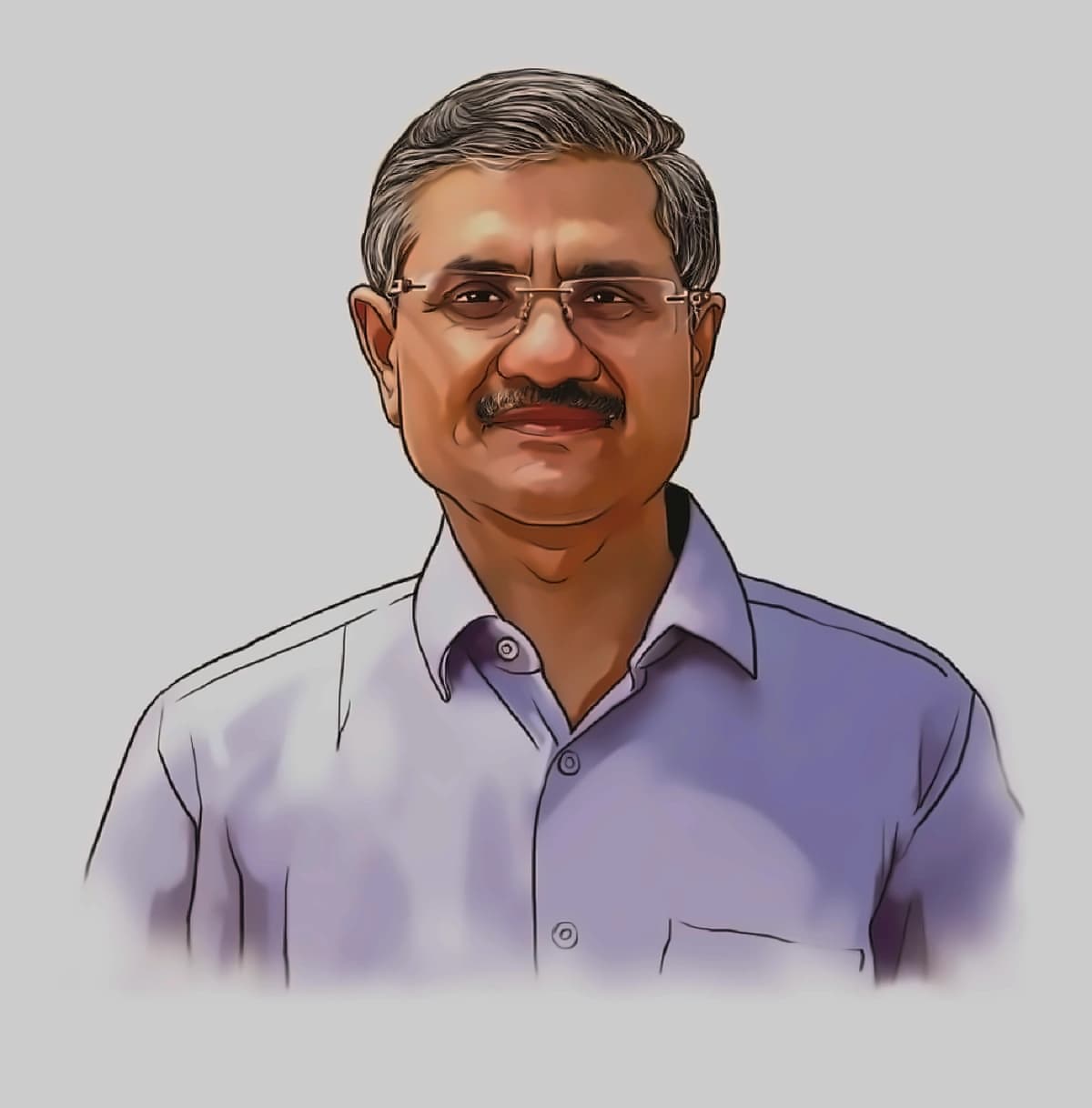
CBIC Chairman Vivek Chaturvedi announced plans for a unified portal that could provide a consolidated view of businesses' compliance history across indirect taxes. As reported by Business Standard, this portal would enable a trusted compliance record that could help businesses gain easier access to facilitation measures, including the AEO programme. The AEO programme accords trusted-trader status to businesses that meet prescribed standards on customs compliance and supply-chain security, with eligible businesses receiving various facilitation benefits including faster cargo clearance and reduced risk-based intervention. Chaturvedi emphasized that 'The ambition should be to move towards a near-touchless, near-digital experience' through the strategic use of AI and machine learning technologies, with greater use of technology expected to reduce the need for human intervention and lower transaction costs for businesses.
According to the CBIC chairman's statements reported by Business Standard, the customs department has been asked to handhold MSMEs and conduct outreach programmes so that small businesses can benefit from customs deferred duty payment schemes. These schemes include the Eligible Manufacturer Importer (EMI) and the Authorised Economic Operator (AEO) programmes. The EMI scheme, which came into effect on March 1, 2026, allows eligible manufacturers to clear imported goods without paying customs duty at the time of clearance, with the duty instead paid monthly under the Deferred Payment of Import Duty Rules, 2016. However, only about 1,000 businesses have joined the scheme so far, as reported by Business Standard. Chaturvedi urged manufacturers to make greater use of this scheme, noting that compliance requirements for joining the scheme have been reduced and outreach programmes are planned to encourage wider adoption. The EMI facility will remain available until March 31, 2028.
As reported by Business Standard, Chaturvedi highlighted the need for seamless inter-agency coordination and deep data integration along with global reciprocity of Mutual Recognition Agreements (MRA). India has already signed MRAs on AEO with 11 countries, with many more in the pipeline. The CBIC chairman emphasized that the next decade for the Customs department should be defined by deeper technology adoption, more MRAs and a seamless experience for trade. MRAs allow customs administrations to recognise each other's authorised economic operator programmes, enabling compliant businesses to receive facilitation benefits in partner jurisdictions. Chaturvedi stressed the need for closer coordination among indirect tax authorities and with international trade partners to build greater trust in India's trading ecosystem.
Chaturvedi outlined five areas that the Customs Department needed to strengthen to deepen the integration of Indian businesses with developed economies, including technology-led customs processes, targeted support for businesses, wider mutual recognition arrangements (MRAs), greater coordination across indirect tax verticals and stronger engagement with international trade partners. According to Business Standard, the department should adopt sector-specific outreach and a cluster-based approach to help businesses access trade facilitation measures, particularly smaller participants in the trading ecosystem. The CBIC chairman emphasized that 'The ambition should be to move towards a near-touchless, near-digital experience' through the strategic use of AI and machine learning technologies, with the adoption of AI expected to lead to a reduction of transaction costs and dwell costs for businesses.