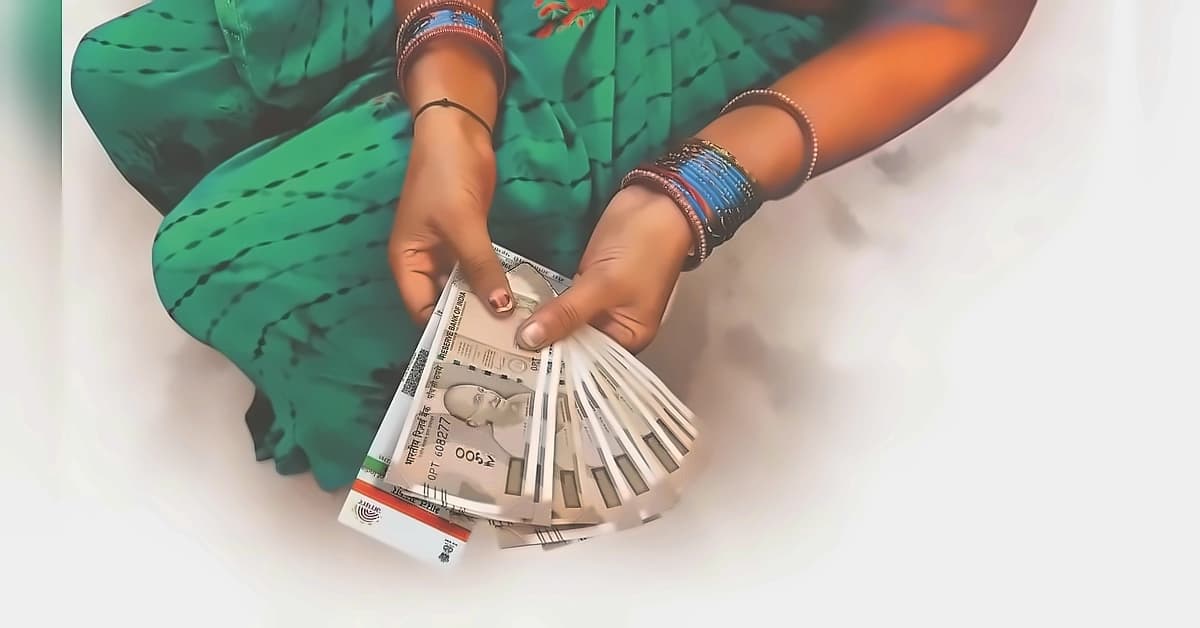
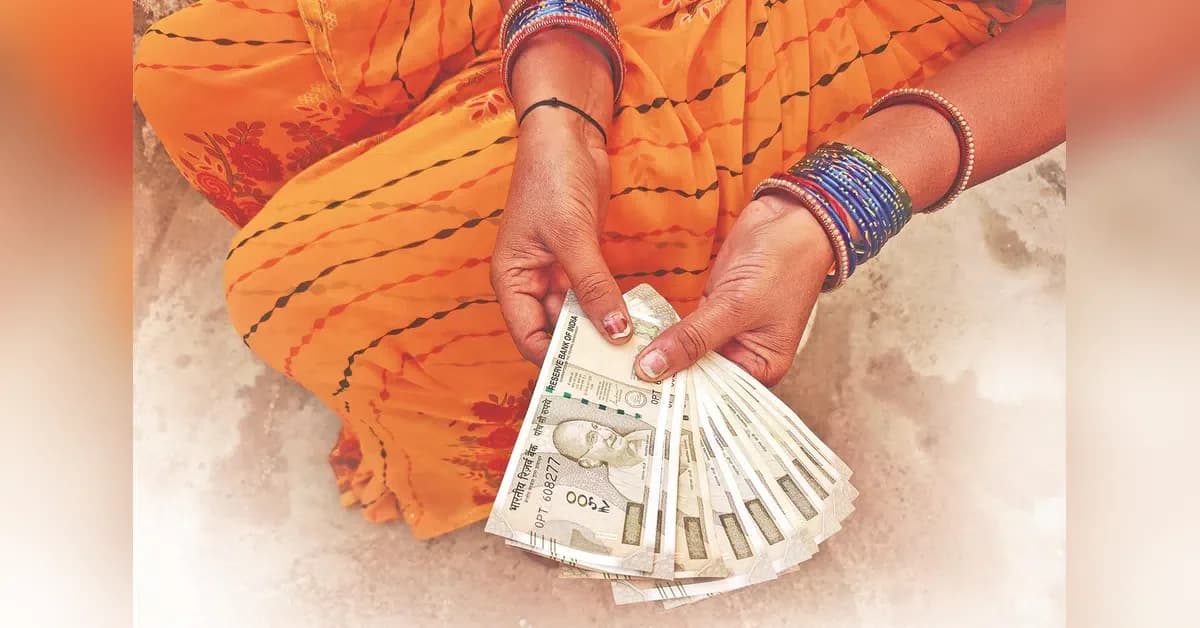
Cash-transfer politics have moved from the margins of Indian election manifestos to the centre of political competition, with parties across states promising monthly or one-time payments. According to reports from Business Standard, national parties such as the BJP and the Congress, along with regional forces such as the Dravida Munnetra Kazhagam (DMK) and Rashtriya Janata Dal (RJD) have increasingly relied on direct cash-transfer promises in recent state elections and state budget announcements. The latest entrant is actor Vijay's Tamilaga Vettri Kazhagam (TVK), which formed the government in Tamil Nadu last week following a stellar electoral debut, promising ₹2,500 monthly assistance for women heads of households, 200 units of free electricity, six free LPG cylinders a year, youth unemployment aid, farm loan waivers, higher MSP for paddy and sugarcane, and marriage/newborn support.
According to PRS Legislative Research estimates, 12 states are expected to spend nearly ₹1.68 trillion on unconditional cash-transfer schemes for women in 2025-26, up sharply from just two states running such programmes in 2022-23. As reported by Business Standard, the estimated outgo is roughly equivalent to 0.5 per cent of India's GDP, compared with less than 0.2 per cent two years ago. The Reserve Bank of India's State Finances: A Study of Budgets has repeatedly flagged rising subsidy burdens and revenue expenditure pressures among states, while emphasising the need to sustain capital expenditure and fiscal consolidation.
According to Election Commission data, women voter turnout has steadily risen over the past decade, with several states recording female turnout equal to or higher than male participation in recent Assembly elections. According to Business Standard, Delhi allocated ₹5,100 crore for the Mahila Samridhi Yojana in Budget 2025, promising ₹2,500 per month to eligible women, while Haryana announced the Lado Lakshmi Yojana with a ₹5,000 crore allocation and monthly assistance of ₹2,100. Ahead of the Bihar elections, the RJD promised a one-time ₹30,000 payout for women under the proposed Mai Bahin scheme.
Recent PRS State of State Finances data showed that states spent 53 per cent of their revenue receipts on salaries, pensions and interest payments in 2023-24, while subsidies accounted for another 9 per cent. As reported by Business Standard, economists say recurring welfare commitments differ from one-time relief measures because they create long-term expenditure obligations that become politically difficult to reverse once beneficiaries are established. Nilanjan Banik from Mahindra University noted that recurring cash-transfer schemes consume 0.2–1.2 per cent of GSDP amid already high committed expenditures on salaries, pensions, interest, and subsidies.
The Union government has spent the post-pandemic years emphasising fiscal consolidation and capex-led growth, while projecting India as a relatively fiscally disciplined large economy. According to Business Standard, states already face structural fiscal limitations because they raise a smaller share of revenues but shoulder a larger welfare burden, raising concerns about long-term fiscal sustainability. The debate, experts say, is no longer about whether governments should provide cash support, but whether such schemes are transparently budgeted, adequately targeted and fiscally sustainable over the long term.