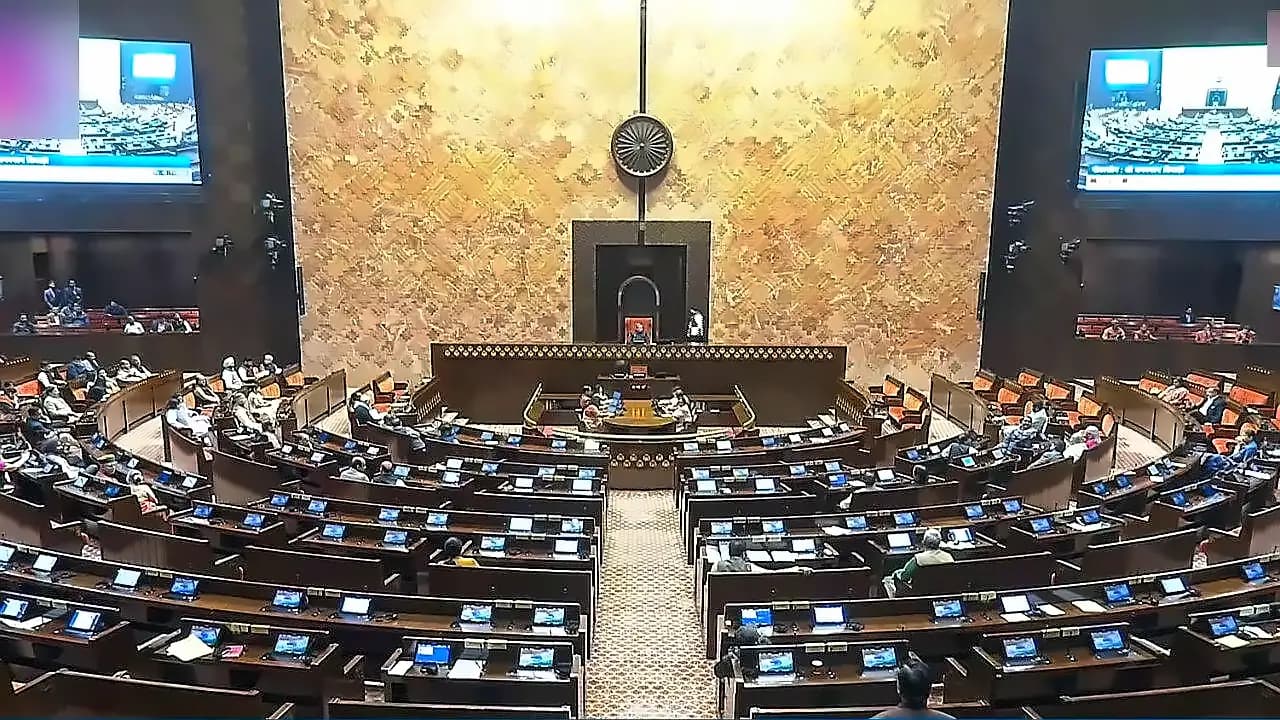
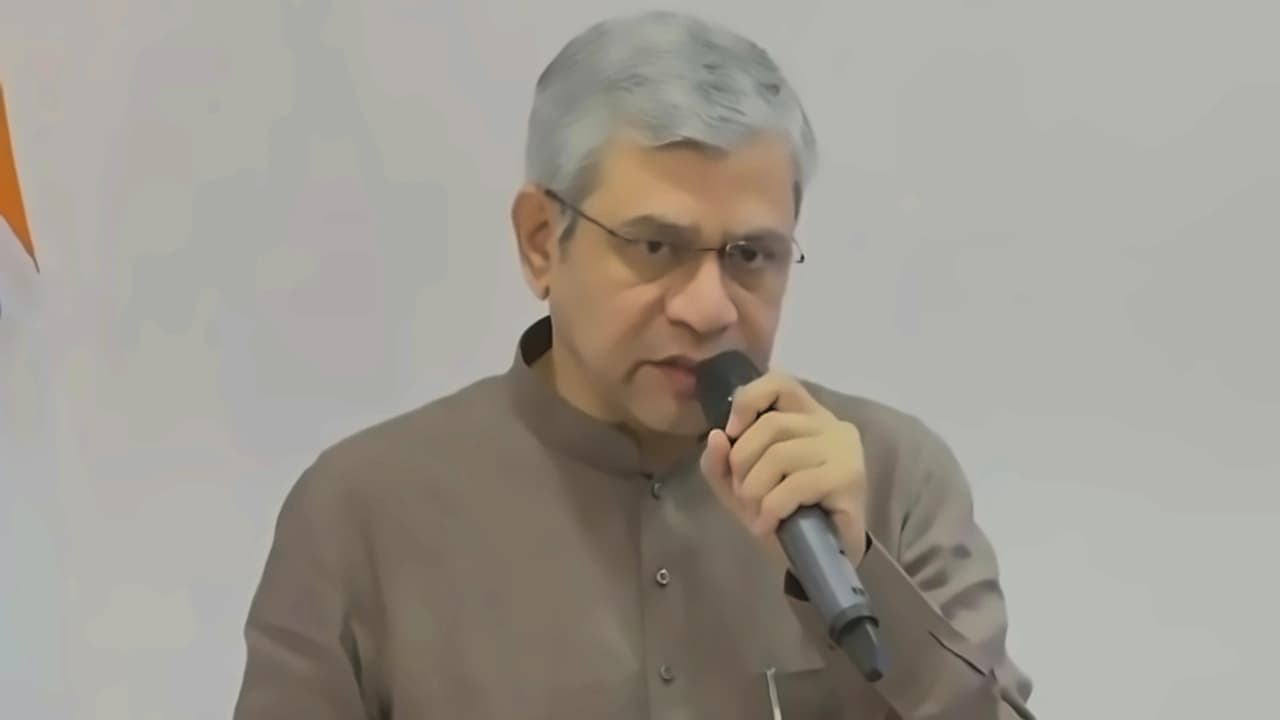
The Union Cabinet, chaired by Prime Minister Narendra Modi, has approved a nutrient-based subsidy (NBS) of ₹41,534 crore for the Kharif 2026 season, aimed at insulating farmers from global price volatility and ensuring affordable fertiliser availability. According to reports from The Times of India, Upstox, and The Tribune, Union Minister Ashwini Vaishnaw announced that "a complete subsidy programme worth ₹41,534 crore has been approved today for farmers for the Kharif season." The government reiterated its commitment to shield farmers from fluctuations in international fertiliser prices, particularly amid elevated global rates due to Middle East crisis since the Covid period. The approved subsidy will be applicable to phosphatic and potassic (P&K) fertilisers and will remain in force for the Kharif season period from April 1, 2026 to September 30, 2026. As per Upstox, the tentative budgetary requirement for the upcoming kharif season is about ₹41,533.81 crore, which is around ₹4,317 crore higher than the ₹37,216.15 crore allocated for the 2025 kharif season.
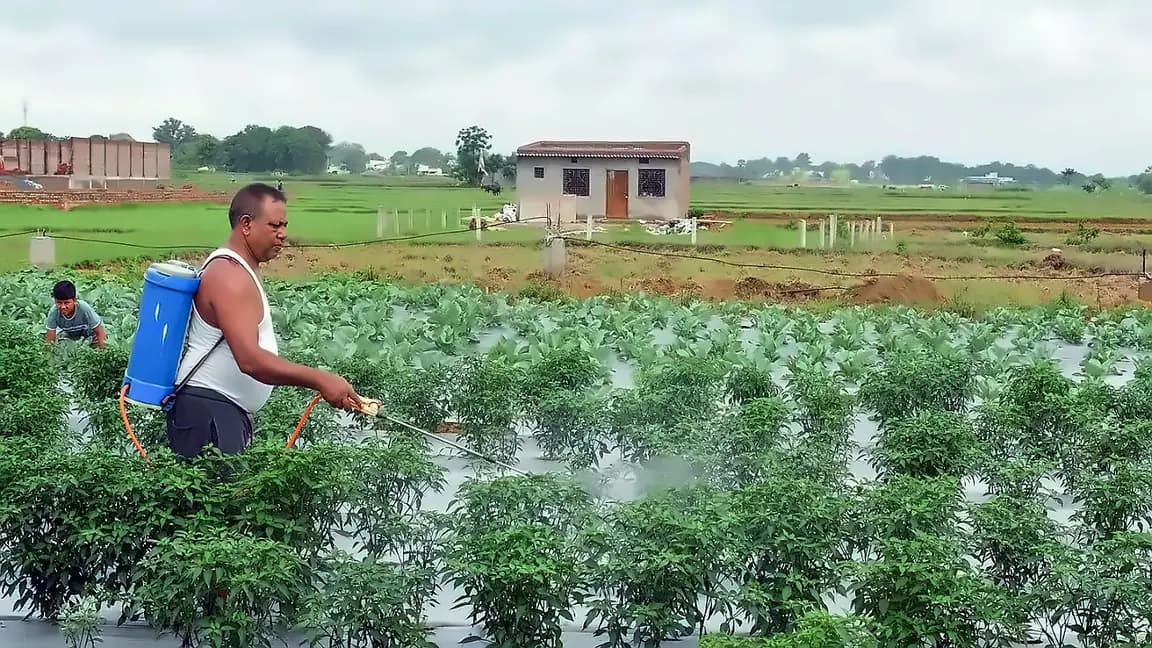
To protect farmers from unaffordable global fertiliser prices, the government has decided to keep DAP (di-ammonium phosphate) prices unchanged at ₹1,350 per 50 kg bag. As reported by The Times of India, official statements noted that DAP prices have surged to unaffordable levels in global markets recently. This price freeze represents a significant intervention to maintain fertiliser affordability for farmers during the critical Kharif season. The subsidy on P&K fertilisers including DAP and NPKS grades will be provided based on approved rates for Kharif 2026 to ensure smooth availability of these fertilisers to farmers at affordable prices. The government stated that the decision will ensure "availability of fertilizers to farmers at subsidized, affordable and reasonable prices" while also enabling "rationalization of subsidy on P&K fertilizers in view of recent trends in the international prices of fertilizers and inputs."
The subsidy approval comes as the government seeks to address the impact of elevated global fertiliser prices on domestic agricultural sectors. According to the official statement reported by The Times of India, Upstox, and The Tribune, the initiative aims to ensure that farmers have access to essential nutrient-based fertilisers at affordable rates despite international market pressures. Union Minister Ashwini Vaishnaw emphasized that "Prime Minister Narendra Modi has always stood like a safety shield for farmers, whether during COVID or amid the conflict in West Asia." The move is aimed at ensuring the availability of fertilisers to farmers at subsidised, affordable and reasonable prices, while also rationalising subsidy levels in line with recent trends in global fertiliser and input prices. The NBS regime, in place since April 2010, determines subsidy rates based on the nutrient content of fertilisers and is intended to promote balanced use of plant nutrients. Under the implementation strategy, subsidy will be provided to fertiliser companies as per approved and notified rates to ensure farmers continue to get key nutrients at affordable prices during the sowing season.
India has significantly strengthened its fertiliser inventory ahead of the Kharif 2026 season, with stocks of key nutrients showing substantial improvements. As per Upstox, urea stocks stood at 61.14 lakh metric tonnes (LMT) as of March 19, higher than 55.22 LMT a year ago. DAP stocks more than doubled to 24.24 LMT from 11.85 LMT, while NPK stocks rose to 57.21 LMT from 34.44 LMT. Single Super Phosphate (SSP) stocks also increased to 24.80 LMT from 23.15 LMT, though Muriate of Potassium (MOP) stocks dipped to 12.65 LMT from 14.13 LMT. The government has ramped up natural gas supplies to urea plants by 23% and diversified fertiliser imports to ensure adequate availability, with supplies from Russia and Morocco flowing uninterrupted via the Cape of Good Hope route. The Centre currently makes available 28 grades of P&K fertilisers, including di-ammonium phosphate (DAP), at subsidised rates through manufacturers and importers under the NBS scheme.
The government has implemented comprehensive measures to ensure adequate fertiliser availability during the Kharif 2026 season. According to Upstox, the subsidy will be released to fertiliser companies as per notified rates to ensure farmers continue to get key nutrients at affordable prices during the sowing season. Ministry of External Affairs spokesperson Randhir Jaiswal stated at an inter-ministerial press briefing that regarding the fertiliser situation for Kharif 2026, "we have adequate stocks; we are comfortable." The government has also increased natural gas supplies to urea plants and diversified fertiliser imports to insulate farmers from global supply disruptions amid the ongoing conflict in West Asia. The subsidy is governed under the Nutrient Based Subsidy (NBS) scheme, which has been in effect since April 1, 2010, with the Centre reiterating its farmer-centric approach and commitment to ensuring the availability of fertilisers at affordable prices.