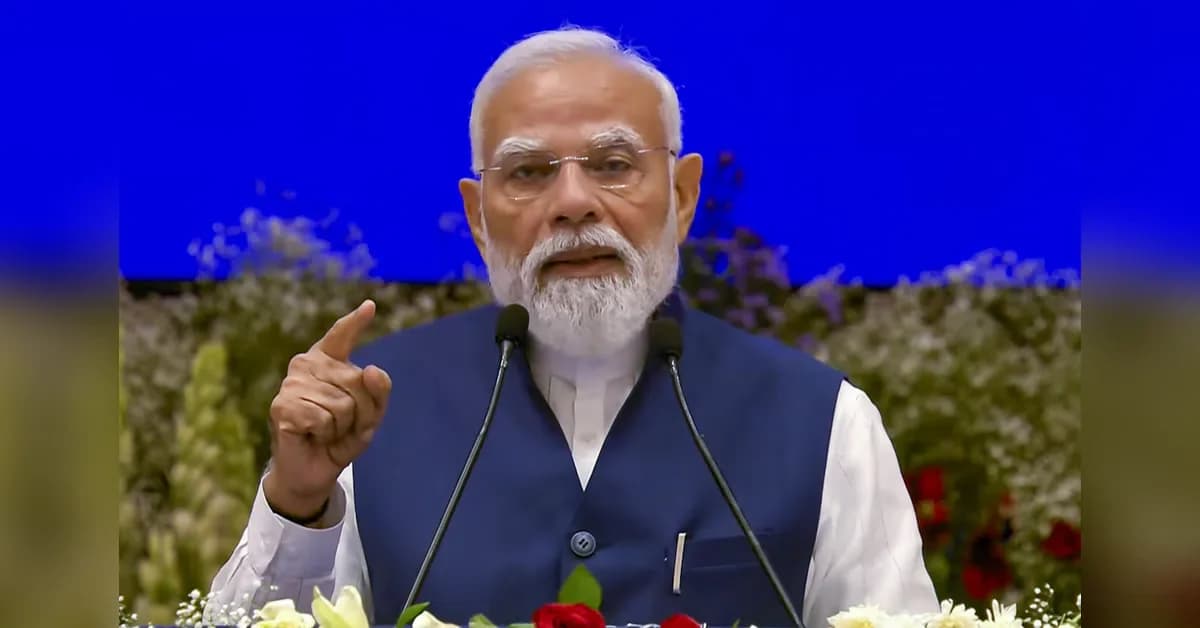
The Union Cabinet, chaired by Prime Minister Narendra Modi, on 13 May 2026 approved the Scheme for Promotion of Surface Coal or Lignite Gasification Projects with a financial outlay of ₹37,500 crore. According to official reports, the scheme targets gasification of 75 million tonnes of coal and lignite, mobilising up to ₹2.5–3 lakh crore in investment from public and private players combined. Union Information and Broadcasting Minister Ashwini Vaishnaw confirmed that ₹37,500 crore has been kept for this scheme, and there will be an investment of around ₹3,000 lakh crore in total, with the projects being put up for gasifying 75 million tonnes of coal. The scheme caps financial incentive at a maximum of 20% of plant and machinery cost, disbursed in four milestone-linked instalments, with selection through a competitive bidding process and evaluation framework benchmarking project cost, coal input, and syngas output.
For project caps, the scheme establishes ₹5,000 crore for single projects, ₹9,000 crore for single products (except synthetic natural gas and urea), and ₹12,000 crore for single entity groups. As reported by official sources, the coal linkage tenure has been extended to 30 years under the Non-Regulated Sector linkage auction framework, providing long-term policy certainty for investors. The scheme is projected to create 50,000 direct and indirect jobs across 25 projects in coal-bearing regions, and generate ₹6,300 crore annually in government revenue from 75 million tonnes of gasification, plus downstream GST and other levies. The scheme is technology-agnostic and supports indigenous technologies for coal gasification, with the syngas produced serving as a versatile feedstock for producing fuels and chemicals domestically. Incentives under the scheme will be in addition to benefits available under commercial coal mining and other central or state government schemes.
The scheme is designed to cut India's ₹2.77 lakh crore annual import bill on LNG, urea, ammonia and methanol. Minister Vaishnaw highlighted that at present, more than 50% of the LNG is currently imported, it will be reduced, while the urea which we import will also start manufacturing in India. He emphasized that ammonia is 100% imported today, with this development new avenues for ammonia production will open, and methanol is currently 80-90% imported that will also be made in India. Coal gasification offers an opportunity to reduce this reliance on imports and conserve foreign exchange, with the syngas produced used for generating electricity, producing chemicals, fertilisers and a range of downstream products spanning the oil, gas and petrochemical sectors. The scheme is strategically important as it diversifies coal resource use and substitutes imports of LNG, urea, ammonia, ammonium nitrate, methanol, and coking coal, insulating India from global price volatility and geopolitical supply-chain disruptions while advancing the Atmanirbhar Bharat and Make in India objectives. The move comes amid the volatile geopolitical situation due to the ongoing conflict between the United States and Iran, strengthening India's energy security and reducing dependence on forex-guzzling imports.

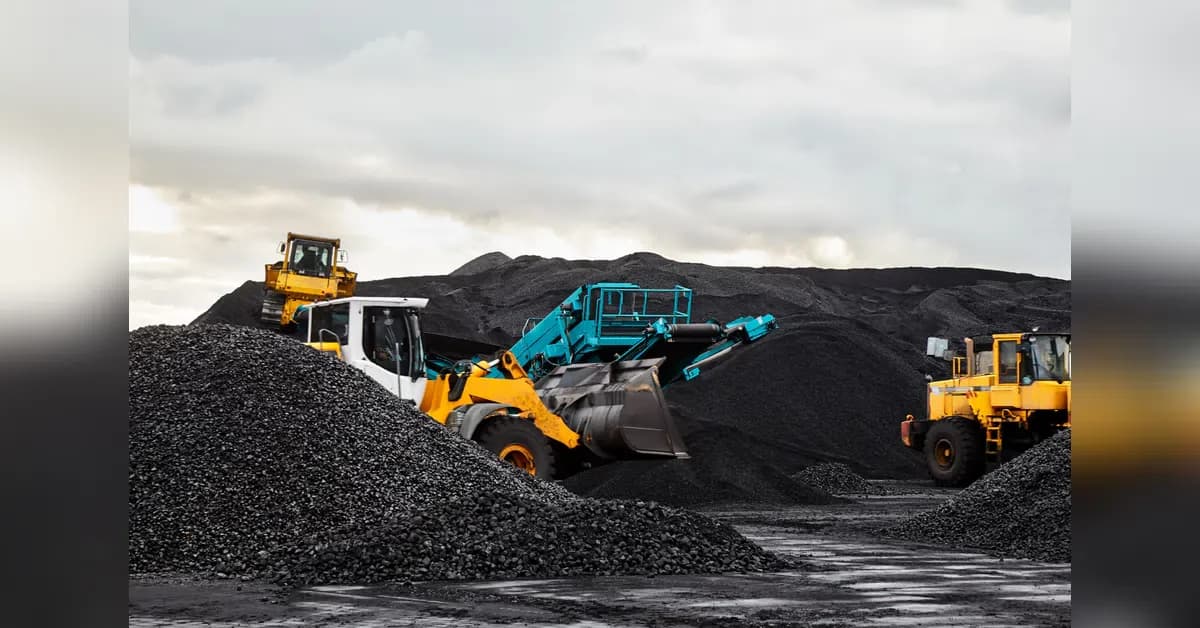
The latest reports indicate that the scheme is expected to catalyse investments worth ₹2.5–3 lakh crore beyond the initial ₹37,500 crore outlay, significantly amplifying the programme's economic impact. The decision will accelerate India's coal gasification programme, strengthen long-term energy security, reduce dependence on imports of critical energy and chemical inputs, and promote indigenous technology development. The scheme is strategically positioned to advance the vision of an Aatmanirbhar Bharat by establishing India as a self-reliant manufacturing hub in coal-based energy and chemical sectors, while reducing the country's vulnerability to global supply chains and price volatility. Coal gasification projects are used in integrated gasification combined cycle systems, fertiliser production, and chemical manufacturing.
The scheme's approval comes as India's coal reserves provide substantial long-term security for the initiative. Minister Vaishnaw emphasized that the country has 401 million tonnes of known coal reserves, which is enough for the next 200 years. The current coal gasification scheme represents a significant scale-up from the ₹8,500-crore incentive programme approved in January 2024, which laid the foundation for coal gasification in India. Under the earlier scheme, eight projects worth ₹6,233 crore are under implementation. The new scheme builds on the National Coal Gasification Mission (2021) and advances India's national target of gasifying 100 million tonnes of coal by 2030 as part of its industrial fuel strategy. India holds one of the world's largest coal reserves of 401 billion tonnes and lignite reserves of 47 billion tonnes, with coal accounting for over 55% of the country's energy mix. The scheme marks a major step towards accelerating the country's coal gasification programme while providing long-term policy certainty through the extended coal linkage tenure.