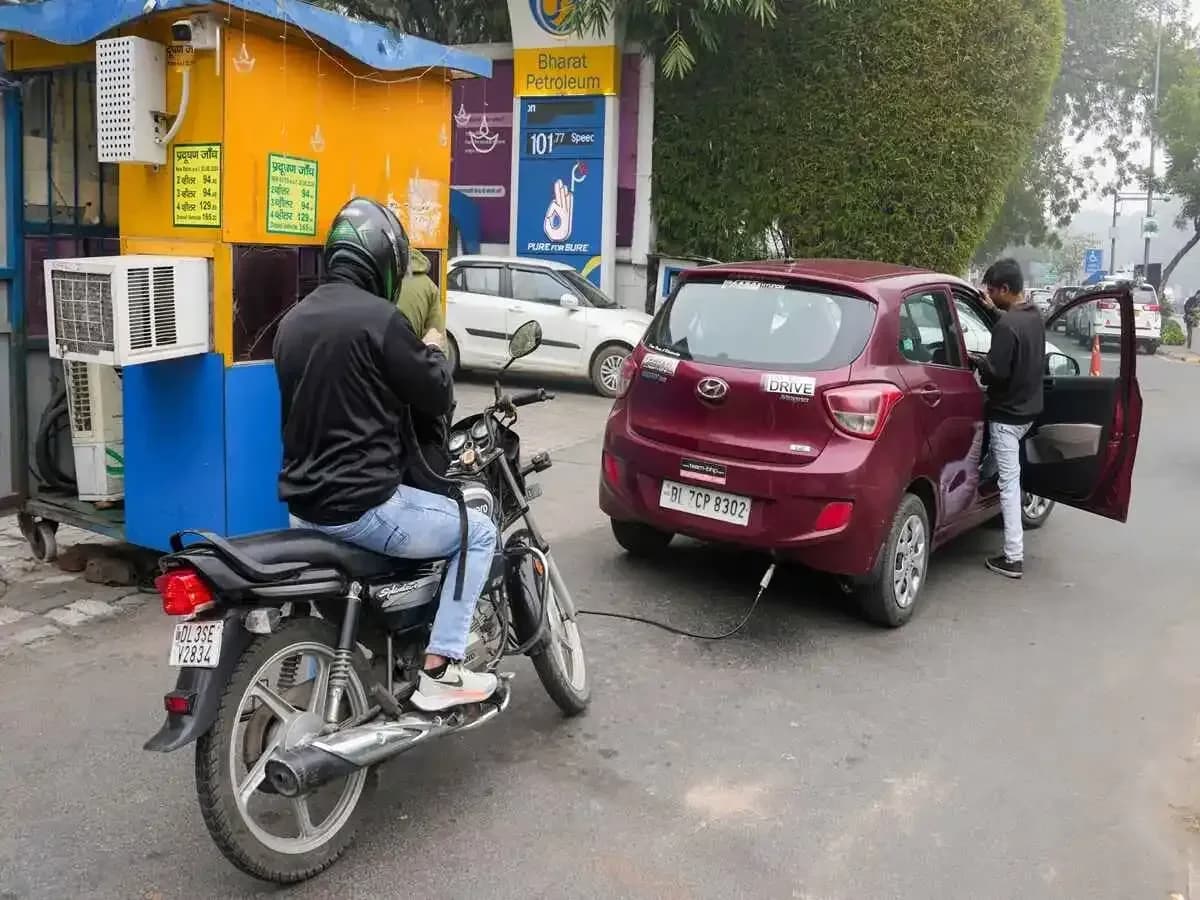
The Indian government is preparing to implement BS-VII emission standards aligned with Euro 7 norms in a phased approach starting April 2029. According to reports from The Times of India, the new norms will set stricter limits on harmful pollutants including nitrogen oxides, hydrocarbons and particulate matter amid heightened pollution risks across Indian cities. The rollout will begin with new cars and SUVs manufactured from April 2029, followed by small goods delivery and pick-up vans from 2030, and buses and heavy-duty vehicles from April 2031. The implementation of all the new norms will be in three phases spanning six years - April 2029 to April 2035 - giving adequate time to industry and testing agencies. The Ministry of Road Transport and Highways has approved the proposed implementation schedule, with draft notifications for the three categories of vehicles expected over the next few days.
Unlike BS-VI standards that were first implemented in April 2020, the new BS-VII norms will not require changes in refinery infrastructure to produce petrol and diesel suitable for the upgraded emission standards, as reported by The Times of India. However, the automobile sector will need to upgrade engines to meet the stricter emission requirements. According to the finalised norms, the cut-off limits of various emission components for cars and SUVs remain unchanged compared with BS-VI. However, particulate number has been reduced from 23 nanometres to 10 nanometres, resulting in improved filtration of pollutants. Smaller particles penetrate deeper into lungs, making the regulation more stringent by capturing ultrafine particles which have been unregulated thus far. The transition from BS-VI to BS-VII will have more impact on trucks and heavy-duty vehicles, with the proposed standard aimed at reducing emissions in the range of 20-50% across pollutants.
The proposed tyre abrasion norms from April 2031 are expected to drive significant R&D investments as manufacturers seek clarity on testing protocols while grappling with rising raw material costs. According to the Automotive Tyre Manufacturers' Association (ATMA), India's tyre industry has 28 manufacturers operating 62 plants with an estimated annual turnover of around ₹1 trillion. The industry has invested approximately ₹30,000 crore in greenfield and brownfield projects over the past four to five years, while tyre exports rose 9 per cent to a record ₹27,312 crore in FY26. CEAT's managing director Arnab Banerjee confirmed the company was technologically prepared for the transition, drawing on international market experience where similar regulations are being introduced. He noted the challenge would be balancing rolling resistance with wet and dry grip while maintaining Indian consumers' preference for longer-lasting tyres with lower abrasion.
The proposed emission norms will not affect existing vehicles or their life, including those compliant with BS-VI standards, as reported by The Times of India. The standards will strengthen emissions monitoring beyond controlled laboratory tests to ensure vehicles comply with prescribed limits under real-world driving conditions and throughout their operational life. The norms are fully aligned with Euro 7 and its implementation, which was also structured in a phased manner, starting November 2026 for light-duty vehicles and May 2028 for heavy-duty vehicles, with the full rollout extending up to 2035. The timeline for two-wheelers, which account for a large share of vehicles on Indian roads, will be announced later, according to the news report. Industry experts believe Indian manufacturers have some advantages in adapting to the proposed requirements, with Primus Partners' Anurag Singh noting that the Indian market traditionally favours longer-lasting tyres with lower abrasion over those offering greater grip.
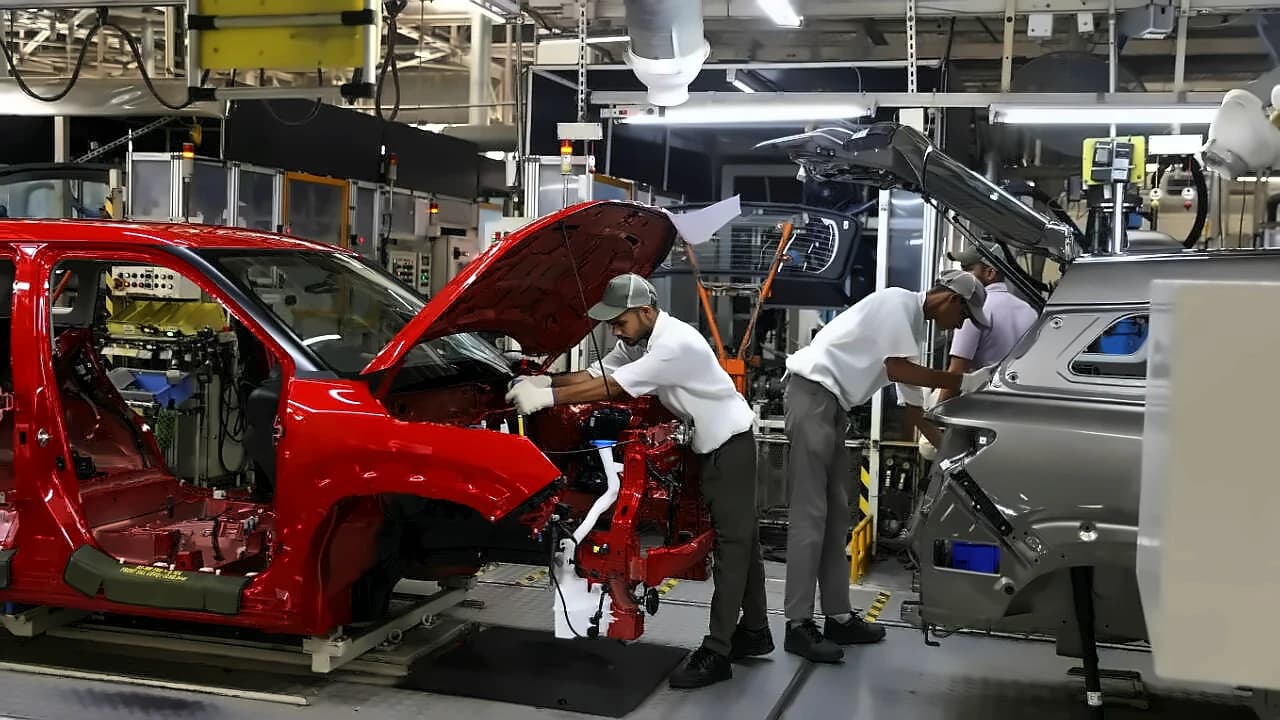
The regulatory transition comes amid an ongoing premiumisation trend in the tyre industry, with JK Tyre's domestic passenger car radial tyre mix improving to 30 per cent in FY26, supported by larger rim sizes and differentiated products. Apollo Tyres has been expanding its premium passenger car tyre portfolio through its Vredestein brand. However, raw material inflation remains a significant concern, with JK Tyre stating that raw materials account for over 60 per cent of tyre costs, and CEAT's Banerjee expecting raw material costs to increase another 2.5-3 per cent in the third quarter. Industry experts believe the final abrasion limits and testing methodology will determine the scale of technological changes and additional compliance costs for the industry, while noting that tighter regulations would deliver environmental benefits despite increased costs.