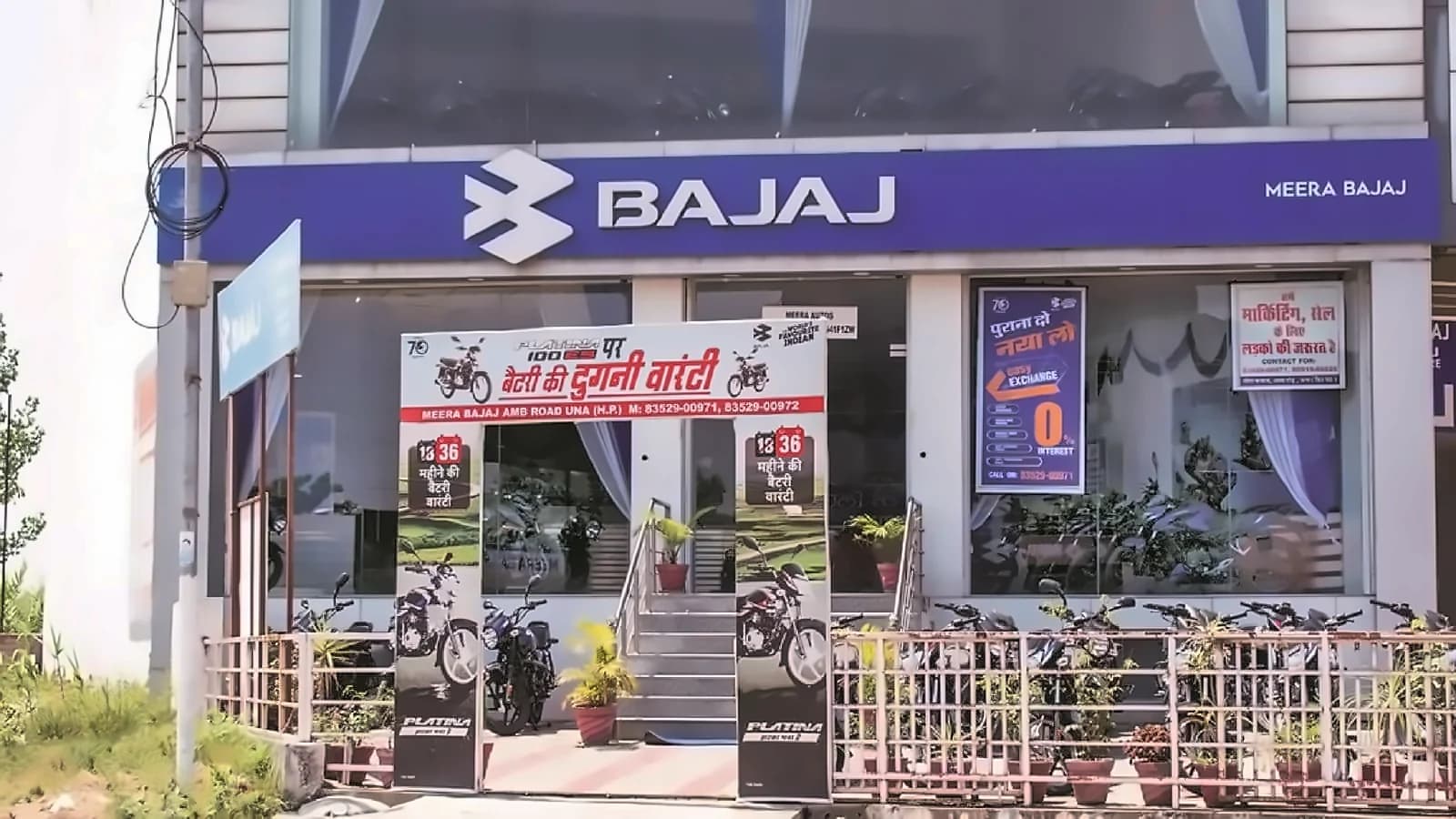
According to a NITI Aayog-IIM Ahmedabad assessment released in November, Bajaj Auto received the highest incentive payout under the production-linked incentive (PLI) scheme for automobiles and auto components in 2025-26 (FY26), at ₹625.65 crore. Tata Motors followed with ₹403.18 crore, while Ola Electric Technologies secured ₹366.78 crore. TVS Motor received ₹320.51 crore and Mahindra & Mahindra (M&M) got ₹283.82 crore. Together, the five automakers received nearly ₹2,000 crore in total payouts, representing a significant increase from the ₹322 crore disbursed in FY25. The scheme, with a substantial outlay of ₹25,938 crore, focuses on promoting next-generation mobility solutions, particularly electric and hydrogen-based vehicles, through the Champion OEM Incentive Scheme and Component Champion Incentive Scheme.
While payouts gathered pace, the report flagged a substantial gap between investments and employment generation under the scheme. By March 2026, investments had reached ₹44,326 crore, exceeding the five-year projection of ₹42,500 crore by around 4 per cent. However, the scheme had generated only 67,820 jobs against the projected 148,147, or about 46 per cent of the target. An automobile industry analyst attributed this gap partly to the capital-intensive nature of advanced automotive manufacturing, particularly electric vehicles and components, noting that investments in new production lines, automation and technology development do not necessarily translate into proportionate job increases during initial capacity creation stages. The scheme mandates a 50 per cent domestic value-addition (DVA) requirement to claim incentives, with manufacturers required to calculate and present DVA details across their supply chain to testing agencies.
Incremental sales have also lagged the investment trajectory, with cumulative incremental sales standing at ₹52,414 crore by March 2026, or around 23 per cent of the five-year projection of ₹2.31 trillion. Despite slower progress on sales and employment, the scheme has seen significant growth in electric vehicle production. Incentivised EV volumes rose dramatically from 76,838 units in FY24 to nearly 12.85 lakh units in FY25, led by electric two-wheelers. The number of electric two-wheelers covered under the scheme increased from 41,758 to more than 10 lakh, while electric three-wheelers rose from 23,486 to nearly 2.15 lakh, and electric four-wheelers increased from 11,314 to 68,226 units. Additionally, total vehicle exports rose by 33.2 per cent, from USD 18,897.2 million in 2021 to USD 25,162.7 million in 2025, demonstrating the scheme's contribution to India's established automotive manufacturing ecosystem.
The report highlighted ongoing difficulties in meeting mandatory requirements, with manufacturers continuing to face difficulties meeting the 50 per cent domestic value-addition requirement. The stringent localisation norms were proving difficult to comply with because India's domestic supply chain for EV components and advanced automotive technologies was still developing. High investment and turnover thresholds also tended to favour larger manufacturers. So far, eight applicants under the Champion OEM category have received domestic value-addition certification covering 94 variants, while 10 Component Champion applicants have secured certification for 37 variants. The scheme's implementation strategy focuses on building manufacturing capacity in advanced automotive technologies, with the automobile sector exhibiting a cyclical pattern of recovery following pandemic-induced contraction, though limited availability of disaggregated data makes it difficult to establish a clear causal relationship between the scheme and industry-wide performance.