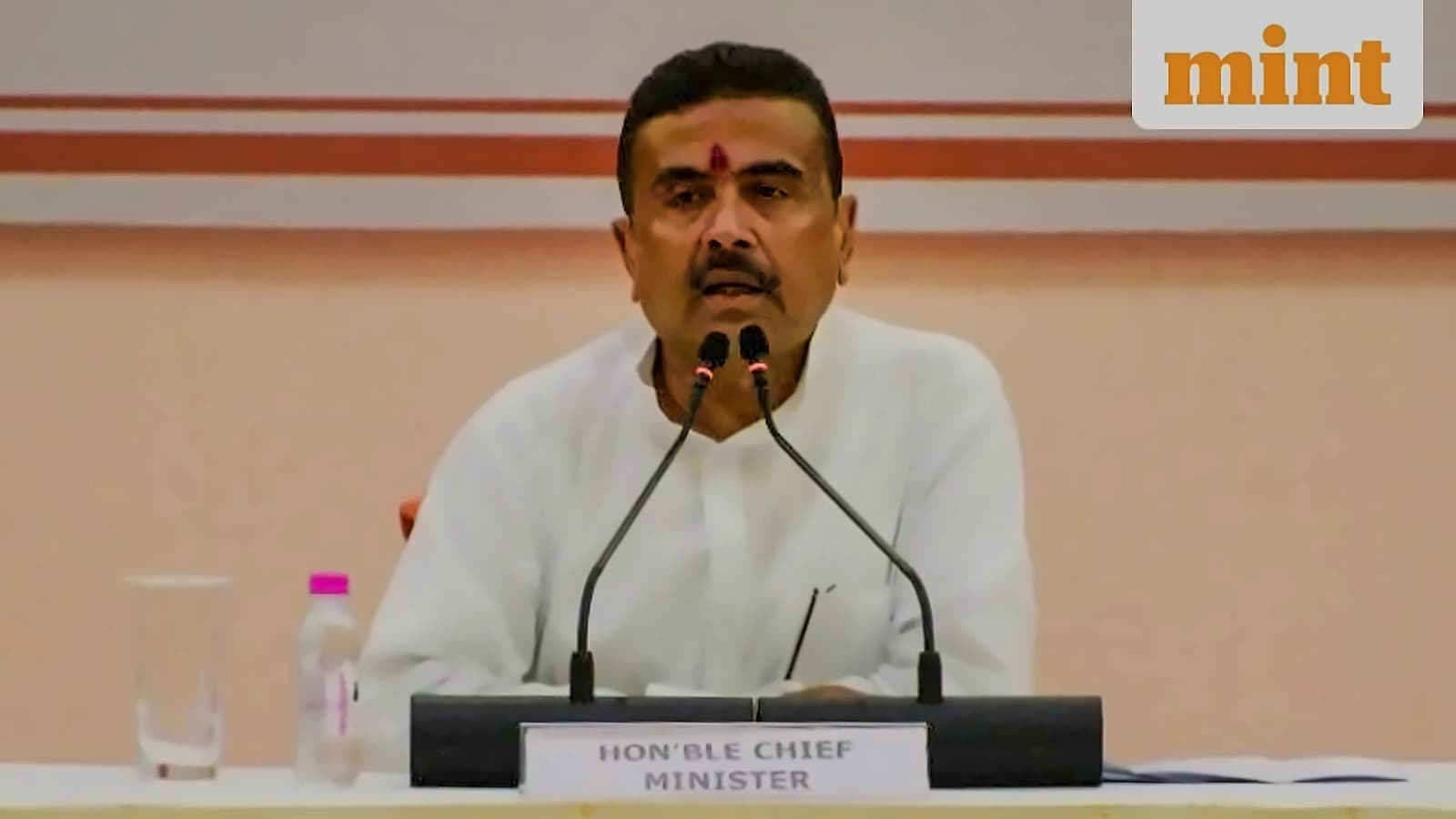
The Bharatiya Janata Party (BJP) has secured a landmark victory in the West Bengal Assembly elections 2026, reshaping the state's political narrative. According to final figures from the Election Commission of India, the party has comfortably crossed the majority mark, defeating the Trinamool Congress by a significant margin. This result marks a historic breakthrough for the BJP in a state where such an outcome once seemed unlikely. The victory was achieved through multiple structural and immediate triggers including anti-incumbency sentiment, corruption fatigue, electoral roll revision, administrative neutrality, organisational overhaul, and targeted social engineering. As per political commentator Udayan Bandyopadhyay, "The anger was cumulative. Every scam reinforced the previous one, and there was no visible course correction."
The Bharatiya Janata Party (BJP) has made specific promises regarding the 7th Pay Commission implementation for West Bengal government employees. According to reports from Mint, Prime Minister Narendra Modi stated at a rally in Purba, Midnapur on 9 April 2026 that the 7th Pay Commission will be announced right after the BJP comes to power. Home Minister Amit Shah reinforced this commitment at a press conference in Kolkata on 10 April 2026, stating that the recommendations will be implemented within 45 days if the BJP forms the government. These promises have been included in the BJP's manifesto, raising expectations among government employees across the state.
At the organisational level, the BJP executed a disciplined overhaul under national general secretary Sunil Bansal. As reported by multiple sources, "Ghost committees" were dismantled, membership rolls cleaned, and booth units rebuilt with active workers. The prolonged membership drive and booth strengthening ensured functional units across a majority of constituencies - correcting a key deficit from earlier elections. Multiple professional agencies conducted ground surveys, feeding into a centralised plan that prioritised local issues over ideological overdrive. Candidate selection, largely insulated from factional lobbying, ensured discipline with the mantra "No recommendations, only winnability." In contrast, the TMC's dependence on I-PAC became a vulnerability when the consultancy exited following enforcement agency action, creating both a tactical vacuum and perceptual dent.
As reported by Mint, the fundamental question regarding the pay commission's implementation remains when an official decision will be taken. This will depend on when the new government is formed and a fresh notification is issued. The 6th Pay Commission in West Bengal was implemented with specific milestones, including constitution on 27 November 2015, terms of reference issued on the same day, notional effect from 1 January 2016, government approval on 23 September 2019, and official notification on 25 September 2019. The 7th Pay Commission implementation will follow a similar process once the new administration takes charge.
According to Mint reports, the 7th Pay Commission implementation will focus on revising salaries, allowances, pensions and other associated benefits for state government employees. The revised pay matrix will replace the current 6th Pay Commission structure with a clearer system linking salary levels to work performance and career progression. The fitment factor used to calculate revised basic pay remains a closely watched component, with the 7th Pay Commission implementing a uniform fitment factor of 2.57. Other benefits include allowance revision for dearness allowance, house rent allowance, and transport allowance, along with pension impact affecting both serving employees and retired officials.
As reported by Mint, the practical implementation date depends on when the new government takes charge and issues the subsequent formal order. The salient features of the 7th Pay Commission include a simplified salary framework that can improve transparency, boost payments and pensions, and reduce confusion across employee categories. The BJP's election manifesto also includes administrative reforms such as clearing pending Dearness Allowance dues and offering relief to candidates affected by recruitment controversies. Once the new administration takes office, serving and retired government employees will await a formal notification that clearly clarifies the timeline, fitment factor, and final pay structure.