






A consolidated view of market events, assembled from diverse sources.

NITI Aayog launched a comprehensive Data Centre Evaluation Framework to help states assess new data centre proposals and ensure long-term sustainability. The framework addresses critical infrastructure gaps including electricity grid capacity, water availability, and environmental considerations, while emphasizing that data centres must be treated as strategic infrastructure rather than investment projects alone.
The Department of Telecommunications has mandated that telecom operators enable calling name presentation (CNAP) by default for all 4G and higher networks from November 1, 2026, requiring each operator to maintain a database linking subscriber names to phone numbers. The system will display caller names on incoming calls, with international calls flagged as such, while maintaining comprehensive privacy safeguards to prevent unauthorized retention of personal information.

SEBI's 215th board meeting on September 24, 2026, approved significant regulatory changes for REITs, InvITs, AIFs, and accredited investor frameworks. The approved measures include ease of doing business initiatives for REITs and InvITs, extended investor protection for AIFs, and modifications to the accredited investor framework across multiple investment products.

The Indian government is considering banning foreign direct investment in tobacco sector licensing, trademarks, and brand names to address farmer distress and tighten oversight. Tobacco farmers are facing severe price crashes from ₹360 per kg in 2025 to ₹265 currently, while cigarettes account for only 10% of consumption with oral tobacco making up 80% of the market.


Madhya Pradesh Chief Minister Dr Mohan Yadav released the 41st installment of the Ladli Behna Yojana on October 14, transferring over ₹1,834 crore to approximately 1.25 crore women beneficiaries. The scheme, launched in June 2023, provides ₹1,500 per month to eligible women aged 21-60 with family income below ₹2.5 lakh annually, with a total budget allocation of ₹23,882 crore for FY 2026-27.

Former IRDAI executive director Suresh Mathur advocates for outcome-focused insurance regulation in India, emphasizing that regulators should enable markets to solve problems through feedback mechanisms rather than prescribing solutions. With insurance penetration at only 3.7% of GDP and 258,000 grievances reported in FY2024-25, he argues for restrained regulatory intervention that measures success by customer outcomes and market improvements.

A new ECIPE study reveals that EU cloud sovereignty restrictions carry a hidden €115 billion price tag, six times the official estimate, as businesses must redesign entire software and supply chains rather than simply switch servers. Industry executives are calling for comprehensive sovereignty frameworks that extend beyond data residency to include technology ownership and operational control, while the SUSE-Openchip collaboration represents a fundamental shift toward complete chip-to-software sovereign technology stacks.

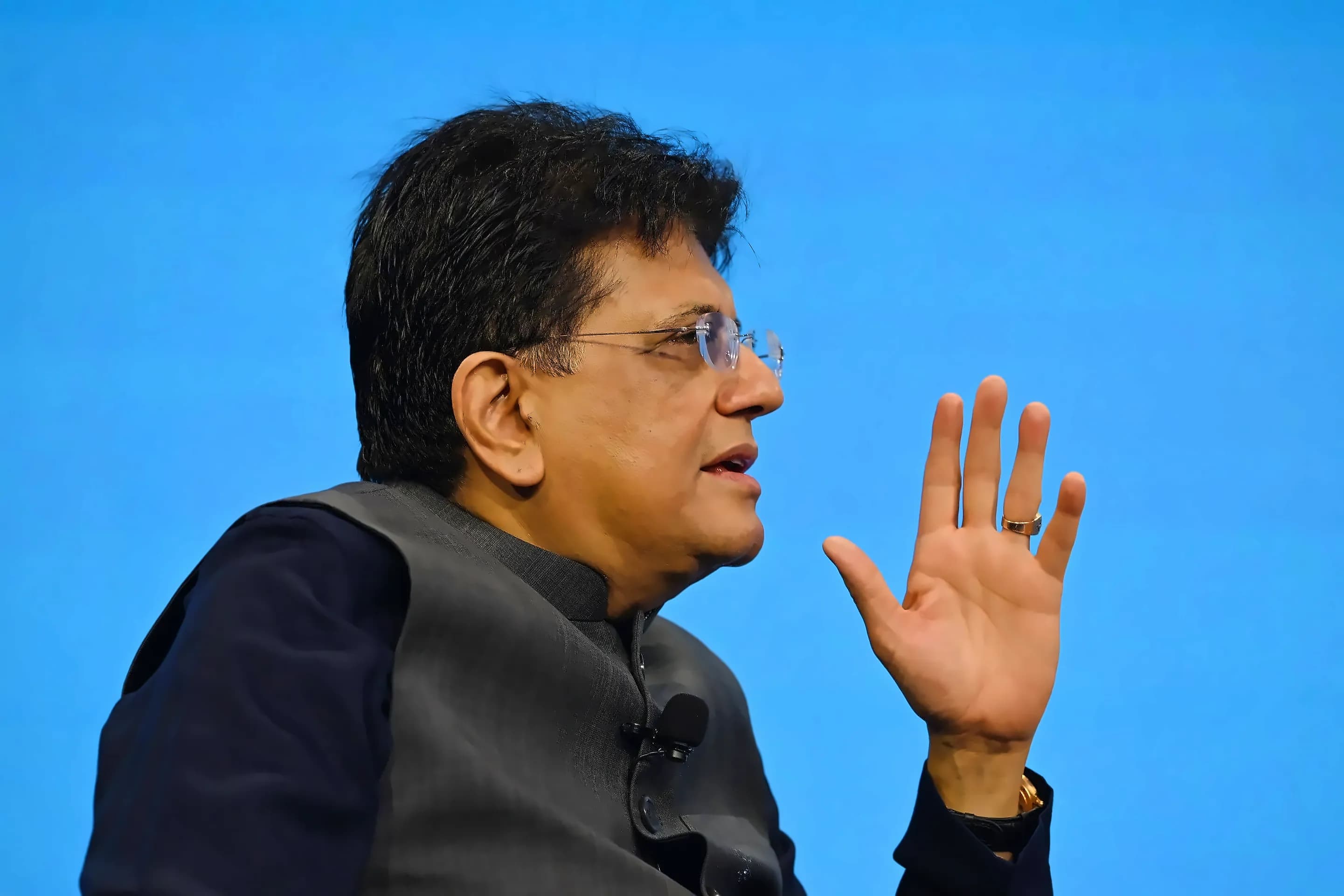
Commerce Minister Piyush Goyal revealed that India was 'let down miserably' by global supply chains during the Covid pandemic, prompting the Atmanirbhar Bharat initiative. Speaking at the New Economy Forum, he emphasized that India's push for self-reliance doesn't mean isolation, as the country has expanded trade partnerships with 38 developed nations covering $70 trillion GDP.

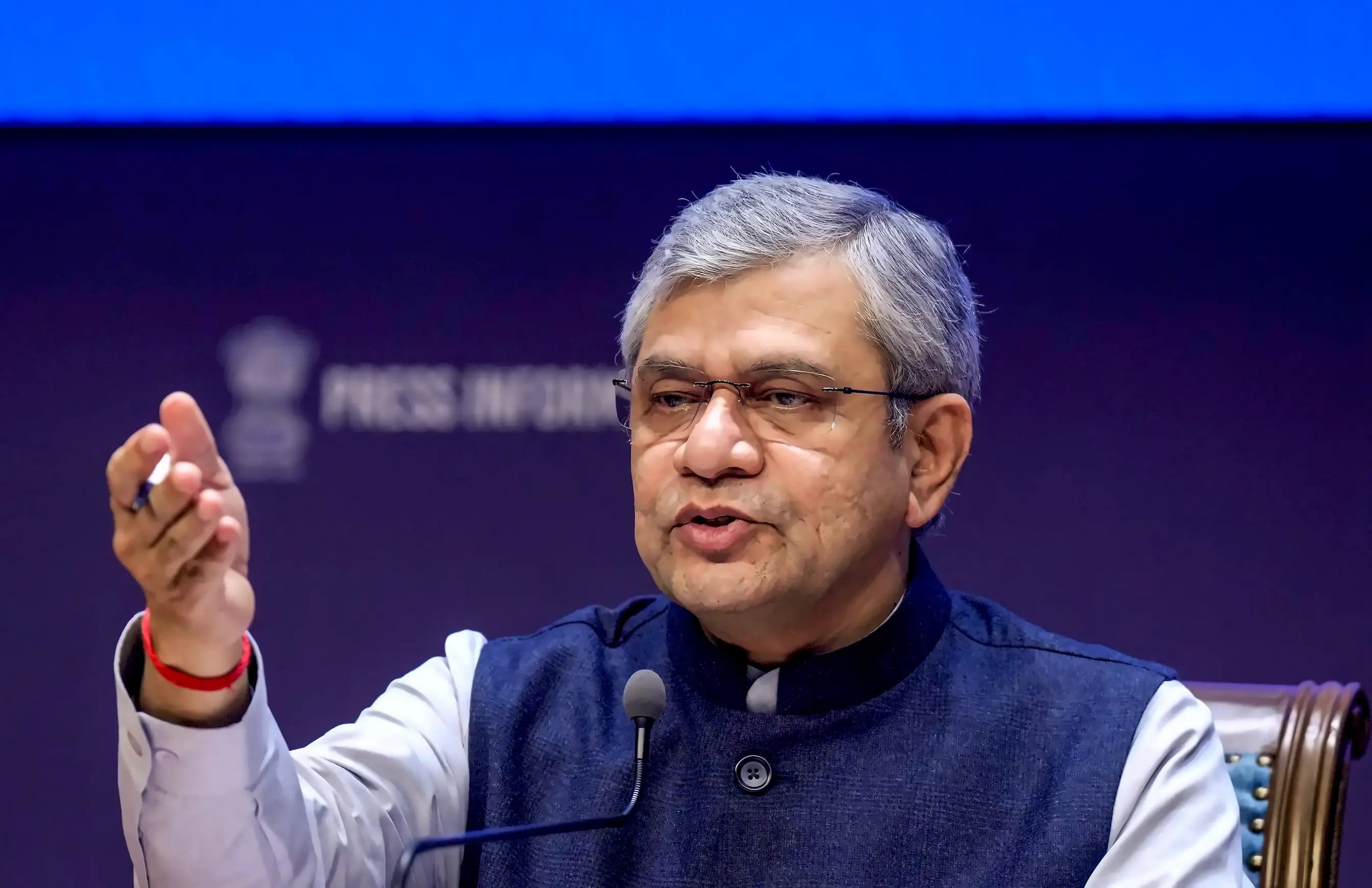
Union Minister Ashwini Vaishnaw outlined India's strategic approach to technology sovereignty, emphasizing the country's need to build domestic capabilities while remaining integrated in global value chains. Speaking at the 2026 Bloomberg New Economy Forum, he highlighted India's three-to-five-year short-term targets, five-to-15-year medium-term goals, and 20-to-25-year long-term vision, while warning of upcoming challenges from AI disruptions and debt unwinding in advanced economies.

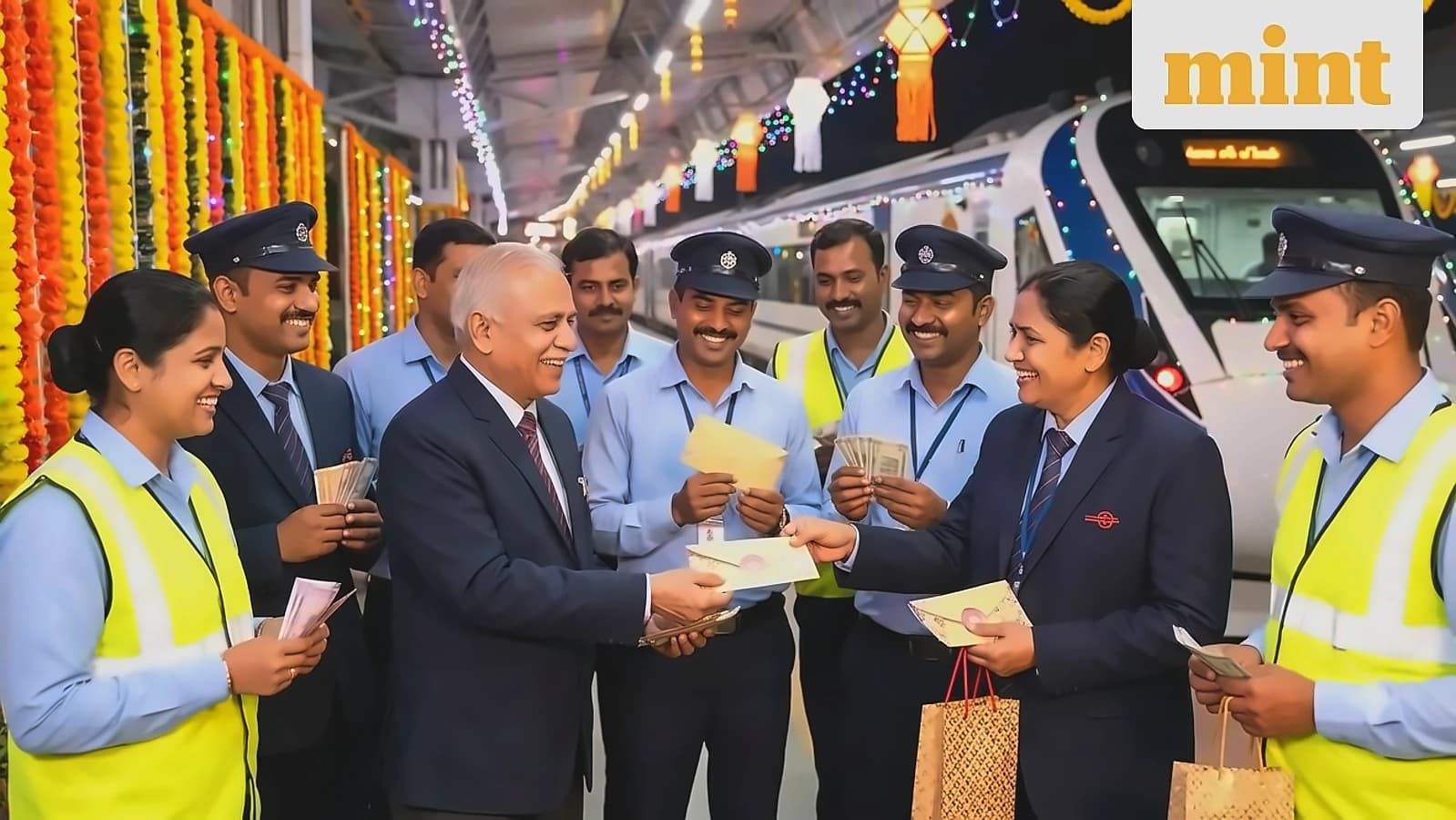
The Union Cabinet approved ₹2,010 crore productivity-linked bonus for 11.40 lakh railway employees ahead of Dussehra, with eligible staff receiving up to ₹17,951 for 78 days based on wage ceiling of ₹7,000. The bonus recognizes record railway performance in 2025-26, including transporting 1,670 million tonnes of cargo and carrying 7.41 billion passengers, while August 2026 showed continued strong growth with freight loading up 5.4% year-on-year.